

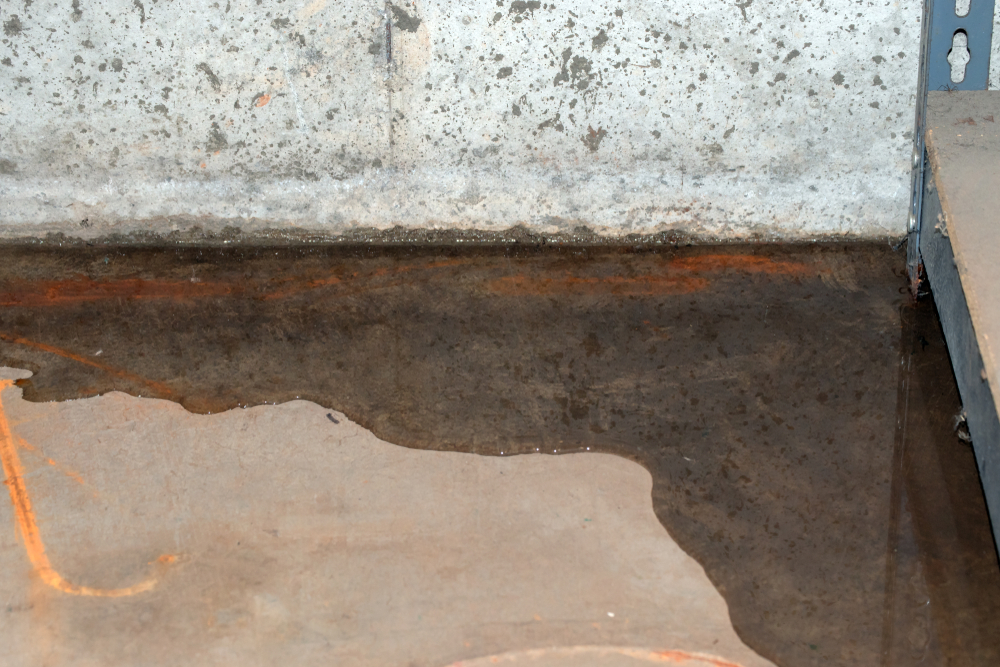
From heavy snowmelt in the spring to relentless humidity in the summer, moisture finds its way into places it has no business being, and the basement is often the first casualty. Poor basement waterproofing does far more than leave a puddle on your floor. It sets off a chain reaction that quietly degrades the air your family breathes every single day. Understanding how moisture problems in the basement affect your indoor air quality is the first step toward protecting your home and your health.
The Connection Between Moisture and Indoor Air Pollution
Most homeowners think of air quality as an outdoor concern, something tied to traffic or pollen counts. But the Environmental Protection Agency has noted for years that indoor air can be significantly more polluted than outdoor air, and a damp basement is one of the most common culprits in residential settings.
When water seeps through an unprotected or poorly sealed foundation, it introduces persistent moisture into your basement environment. That moisture does not stay put. Through a process called the stack effect, air from the lower levels of your home naturally rises upward through the living spaces. This means that whatever is lurking in your basement air, whether that is mold spores, mildew odors, or airborne particles from deteriorating building materials, gets pulled right into the rooms where you sleep, eat, and spend your time.
In New Hampshire, where basements are a standard feature of nearly every older home and most new construction, basement waterproofing is not a luxury. It is a necessity that directly influences the quality of the air circulating throughout your entire house.
What Grows When Water Gets In
The most significant biological threat that comes with a damp basement is mold. Mold requires only a few conditions to thrive: a food source (wood, drywall, insulation), a suitable temperature, and moisture. A basement with poor waterproofing provides all three.
Mold colonies can begin forming within 24 to 48 hours of water exposure. Once established, they release microscopic spores into the air continuously. Inhaling these spores over time can trigger allergic reactions, asthma flare-ups, sinus congestion, and respiratory irritation. For children, the elderly, or anyone with a compromised immune system, the health consequences can be considerably more serious.
Beyond mold, moisture problems in the basement also encourage the growth of mildew and create ideal breeding conditions for dust mites, both of which are well-documented allergens. The musty odor that so many NH homeowners associate with their basements is not just unpleasant. It is a sign that biological activity is actively happening in your home, and that activity is affecting your air.
Foundation waterproofing services in NH often address these biological concerns as part of a broader remediation process. Sealing the foundation cuts off the moisture supply, which in turn starves the mold and mildew of the one ingredient they cannot survive without.
How Structural Damage Makes Air Quality Worse
Poor waterproofing does not just invite mold. It accelerates the breakdown of the very materials that make up your home, and deteriorating materials release their own set of air quality problems.
When water repeatedly infiltrates a basement, it begins to compromise wood framing, floor joists, and support beams. As wood rots, it becomes a feeding ground for mold and releases particulates into the air. Fiberglass insulation that gets wet loses its effectiveness and can become a reservoir for mold growth and trapped dust. In older New Hampshire homes, there is also the concern of disturbed or degraded materials that may have been installed decades ago, materials whose breakdown can release harmful particles into the indoor environment.
Efflorescence, the white chalky residue that appears on basement walls when water carries minerals through concrete, is another indicator of ongoing moisture movement. While efflorescence itself is not a direct health hazard, it signals that water is regularly penetrating your foundation walls. That same water is feeding everything else that damages your air quality.
Addressing moisture problems in the basement through proper foundation waterproofing services in NH stops this cycle before structural degradation reaches the point where air quality becomes a serious health concern for your household.
New Hampshire’s Climate and Why It Creates Unique Risks
New Hampshire presents a particularly demanding environment for basement waterproofing. The state experiences a full range of seasonal extremes. Winters bring deep freezes and heavy snowpack. Spring thaws send large volumes of water through saturated soil toward foundations. Summers bring humidity levels that can remain stubbornly high for months. Fall introduces freeze-thaw cycles that stress foundation walls and widen existing cracks.
This climate variability means that NH homes face moisture pressure from multiple directions and in multiple forms throughout the year. A basement that seems dry in October may be dealing with significant water infiltration by April. Homeowners who assume their basements are fine because they have not seen standing water may not realize that vapor transmission through walls and floors is quietly elevating humidity levels and setting the stage for air quality problems.
The freeze-thaw cycle deserves particular attention. When water enters a small crack in a foundation wall and then freezes, it expands, widening the crack further. Over several winters, what began as a hairline fracture becomes a meaningful gap through which both water and outdoor air can enter freely. That outdoor air in the shoulder seasons often carries mold spores and allergens from the surrounding landscape directly into your basement and then upward through your home.
Investing in basement waterproofing tailored to New Hampshire’s specific climate demands is not an overreaction. It is a practical response to conditions that genuinely put foundations and air quality at risk year after year.
Recognizing the Warning Signs and Taking Action
Many homeowners in New Hampshire live with damp basement air quality issues for years without connecting them to the health symptoms or comfort problems they experience upstairs. Knowing what to look for can help you act before the situation becomes severe.
Persistent musty odors in any part of the home, not just the basement, are one of the clearest early indicators. Condensation on basement walls or windows, even in the absence of visible water, points to elevated humidity driven by moisture intrusion. Staining on concrete walls, rust on metal fixtures, and peeling paint on basement walls are all signs that water is moving through your foundation regularly.
Upstairs, symptoms like unexplained allergy flare-ups, worsening asthma, chronic sinus congestion, or a general sense that the air feels heavy or stale can all trace back to what is happening below grade. If your HVAC system pulls air from the basement or if you have ductwork running through the basement, contaminated air from that space is being distributed actively throughout your home.
Professional foundation waterproofing services in NH can assess the specific vulnerabilities of your basement, whether that involves interior drainage systems, exterior waterproofing membranes, sump pump installation, or vapor barriers, and recommend a solution matched to your home’s construction and your region’s climate challenges.
Conclusion
Poor basement waterproofing is not a cosmetic issue. In New Hampshire, where climate extremes put continuous pressure on foundations, unaddressed moisture problems in the basement translate directly into degraded indoor air quality and measurable health risks. Mold, mildew, structural decay, and airborne particulates all follow from water intrusion. Taking basement waterproofing seriously protects not just your foundation but the air your family breathes every single day.
Need The Best Foundation Crack Repair Specialist Near You?
At Done Right Services, we’ve been the trusted name in masonry since 1998, offering top-notch stone foundation repairs, crack repairs, and basement waterproofing throughout Massachusetts and New Hampshire. Our team of experts is dedicated to restoring your home’s foundation and ensuring your basement stays dry and safe. With our lifetime warranty and 15-year money-back guarantee on all concrete foundation services, you can trust that we’ll handle your needs with precision and care. Don’t let water leaks or foundation issues damage your home—reach out to us and experience the Done Right difference today!