Spring in New Hampshire is a season of dramatic transformation. Snow melts from the White Mountains, rivers swell, and rainfall arrives in relentless waves across the Granite State. For homeowners, this annual shift brings more than mud and blooming wildflowers. It brings a serious test of your home’s foundation waterproofing. If your foundation has even the smallest vulnerability, heavy spring rains in NH will find it.
Understanding why this happens and what you can do about it can save you thousands of dollars and protect the long-term health of your home.
Why Spring Rainfall Is So Hard on New Hampshire Foundations
New Hampshire’s spring season creates a perfect storm of conditions that put enormous stress on residential foundations. The ground, frozen solid for months, begins to thaw from the top down. This thawing process leaves the deeper soil layers still impermeable for weeks, meaning that melting snow and heavy rainfall have nowhere to go except sideways and downward along the path of least resistance. That path often leads directly to your foundation walls.
The combination of snowmelt and spring precipitation in NH is particularly aggressive. Average spring rainfall totals across southern New Hampshire can push well past three inches per month during April and May, and years with heavier-than-average winters tend to produce even more saturated soil conditions. When the ground simply cannot absorb any more moisture, hydrostatic pressure builds against foundation walls. This pressure is relentless and surprisingly powerful. Over time, it forces water through hairline cracks, porous concrete, compromised mortar joints, and aging waterproofing membranes.
Many homeowners in New Hampshire only discover their foundation waterproofing has failed when they walk downstairs after a heavy rain and find water on the floor. By that point, the damage is already underway. Wet basement repair is significantly more expensive when left unaddressed, and the structural integrity of your foundation can deteriorate faster than most people realize.
Common Signs That Spring Rain Has Exposed a Foundation Problem
Recognizing the early warning signs of a foundation waterproofing failure is critical for NH homeowners. Water intrusion rarely announces itself loudly at first. Instead, it creeps in quietly and leaves behind clues that are easy to dismiss until the problem becomes impossible to ignore.
Efflorescence is one of the first signs many homeowners notice. This white, chalky residue on basement walls forms when water moves through concrete and carries dissolved minerals to the surface. On its own, efflorescence is not a structural crisis, but it tells you that water is actively moving through your foundation walls. In New Hampshire, you might see this appear or worsen significantly after the first heavy spring rains.
Musty odors in the basement are another red flag. Even when you cannot see standing water, a persistently damp smell indicates elevated moisture levels that can fuel mold and mildew growth. Mold thrives in wet, dark environments, and a basement with compromised foundation waterproofing provides exactly that. NH homeowners sometimes attribute these smells to old construction or seasonal humidity without realizing water intrusion is the actual cause.
Visible cracks in foundation walls or floors deserve immediate attention. Horizontal cracks in block or poured concrete walls are especially serious because they can indicate lateral pressure from soil. Vertical or stair-step cracks, while sometimes less urgent, still provide an entry point for water. During spring in NH, these cracks can allow significant water infiltration in just a single storm event.
Standing water or persistent damp spots on basement floors after rain are obvious indicators of basement flooding risk. If you notice these issues only during or after heavy spring rainfall, your drainage and waterproofing systems are likely overwhelmed or failing. Wet basement repair should be scheduled before the problem escalates into full flooding.
Understanding Hydrostatic Pressure and Soil Saturation in NH
To truly appreciate why foundation waterproofing fails during spring in New Hampshire, it helps to understand the mechanics of hydrostatic pressure. When soil surrounding your foundation becomes saturated, water exerts outward and inward pressure in all directions. A cubic foot of water weighs over 62 pounds. Multiply that across an entire foundation wall surrounded by saturated soil, and the force pressing against your basement is immense.
New Hampshire’s soil composition varies significantly from region to region, and this affects how water drains during spring storms. Rocky, glaciated soils in northern NH may drain more quickly in some areas but create channeling effects that direct concentrated water flow toward structures. Clay-heavy soils in other parts of the state hold moisture far longer and maintain hydrostatic pressure against foundation walls for days or even weeks after a rain event ends.
Older homes throughout New Hampshire face additional challenges. Foundations built decades ago often lack the waterproof foundation solutions that modern construction standards require. Many older homes were built with no waterproofing membrane at all, relying on drainage conditions that may no longer exist due to landscaping changes, soil compaction, or nearby development. When spring rains arrive in full force, these older foundations are working against the water with no real defense in place.
Waterproof Foundation Solutions Available to NH Homeowners
The good news for homeowners across New Hampshire is that effective waterproof foundation solutions exist at a range of investment levels. The right approach depends on the severity of the problem, the age and construction of your foundation, and whether you need interior or exterior remediation.
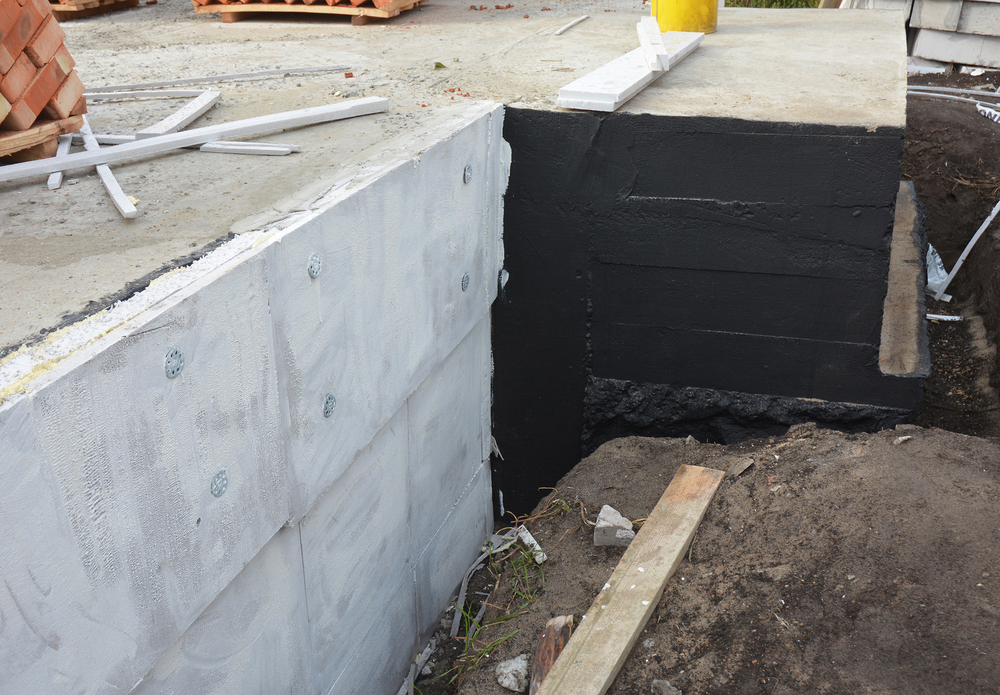
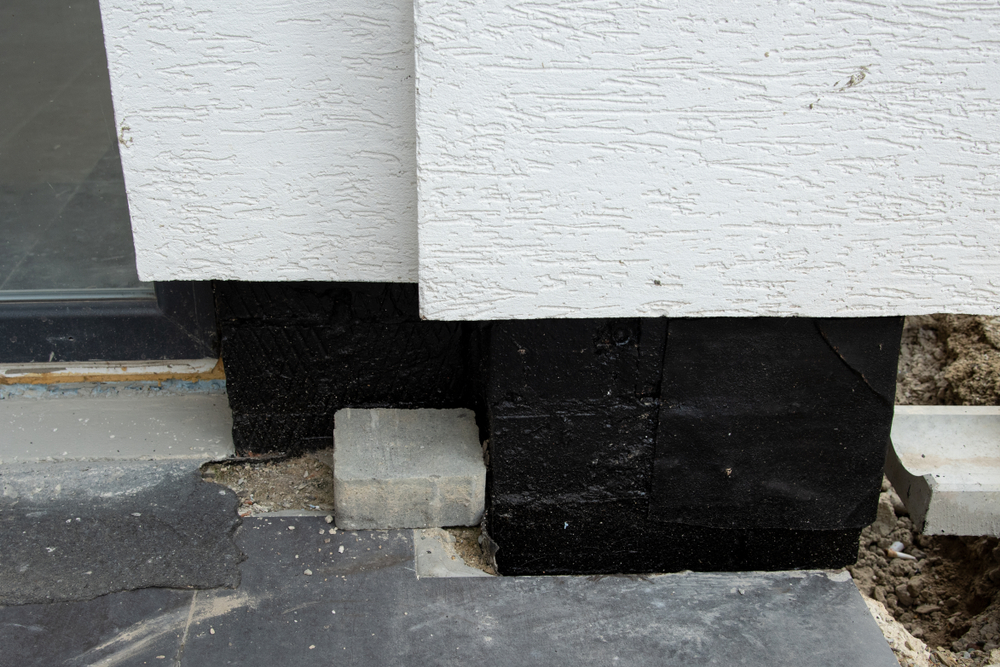
Exterior waterproofing is widely considered the most comprehensive long-term solution. This process involves excavating the soil around the foundation, applying a waterproofing membrane or coating directly to the exterior foundation walls, installing a drainage board to redirect water away from the structure, and improving or replacing the footing drain system. While exterior waterproofing requires more labor and upfront investment, it addresses the source of water intrusion before it ever reaches your foundation walls. For NH homeowners with serious or recurring basement flooding, this is often the most effective permanent fix.
Interior waterproofing systems offer a practical and effective alternative, particularly for homes where exterior excavation is impractical. Interior drainage channels are installed along the perimeter of the basement floor, directing water that does enter the space toward a sump pump system. Modern sump pumps with battery backup are essential in New Hampshire, where spring storms can knock out power while simultaneously driving heavy rainfall into vulnerable foundations. Interior systems do not stop water from entering the walls, but they manage it so effectively that wet basement repair is largely avoided.
Crack injection is another targeted solution for foundations suffering from specific entry points. Polyurethane or epoxy injection fills cracks from the inside, creating a flexible or rigid seal depending on the material used. This approach works well for isolated cracks but is not a substitute for comprehensive foundation waterproofing when widespread moisture intrusion is occurring.
Improving exterior grading and drainage around your home is a lower-cost first step that every NH homeowner should consider. Soil should slope away from the foundation at a grade of at least one inch per foot for the first six feet surrounding the structure. Downspout extensions should carry roof runoff well away from the foundation perimeter. These measures alone will not solve a serious waterproofing failure, but they reduce the volume of water pressing against your foundation during spring storms.
Conclusion
Spring rains in New Hampshire have a way of revealing what has been hidden all winter long. For homeowners, that often means coming face to face with foundation waterproofing failures that cannot wait another season. From understanding hydrostatic pressure to exploring waterproof foundation solutions suited to NH conditions, taking action before or immediately after problems appear is always the smarter and more affordable path. Whether you need targeted wet basement repair or a full exterior waterproofing system, addressing the issue now protects your home for every spring season ahead.
Need The Best Foundation Crack Repair Specialist Near You?
At Done Right Services, we’ve been the trusted name in masonry since 1998, offering top-notch stone foundation repairs, crack repairs, and basement waterproofing throughout Massachusetts and New Hampshire. Our team of experts is dedicated to restoring your home’s foundation and ensuring your basement stays dry and safe. With our lifetime warranty and 15-year money-back guarantee on all concrete foundation services, you can trust that we’ll handle your needs with precision and care. Don’t let water leaks or foundation issues damage your home—reach out to us and experience the Done Right difference today!
When summer arrives in New Hampshire, homeowners often face unexpected challenges with their basements. Stone foundations, while architecturally charming and historically significant, can become problematic during heavy rainfall and seasonal humidity. Understanding the importance of foundation waterproofing is essential for protecting your home from water damage. This comprehensive guide explores how waterproofing your stone foundation prevents basement leaks during New Hampshire summers and helps you maintain a dry, healthy basement.
Stone Foundations in New Hampshire
Stone foundations are common throughout New Hampshire, particularly in older homes and properties with historical significance. These foundations were built using stacked fieldstone, granite, or other local stones held together with mortar. While these structures have proven durability over centuries, they are particularly vulnerable to water infiltration during the intense summer storms that New Hampshire experiences.
The porous nature of stone allows water to seep through gradually over time. Additionally, the mortar joints between stones deteriorate due to freeze-thaw cycles common in New England winters. By spring and early summer, these weakened joints become entry points for basement water. New Hampshire’s seasonal weather patterns create perfect conditions for foundation problems. The combination of spring snowmelt, heavy summer thunderstorms, and high groundwater levels puts tremendous pressure on stone foundations. Without proper basement waterproofing measures, homeowners face inevitable water intrusion that can lead to mold growth, structural damage, and costly repairs.
The Science Behind Water Infiltration
Water infiltration in basements occurs through multiple pathways in stone foundations. Hydrostatic pressure from groundwater pushes moisture through pores and cracks in the stone and mortar. During New Hampshire summers, intense rainfall can overwhelm the soil’s ability to absorb water, creating conditions where water pools against foundation walls. This standing water exerts significant pressure on the foundation, forcing moisture through even tiny openings.
Capillary action also plays a role in stone foundation leak repair. This process occurs when water moves upward through the stone against gravity, traveling through micro-sized pores. This phenomenon is particularly problematic in basements because it allows moisture to penetrate walls even when no active water sources exist. The stone foundation leak repair process must address both hydrostatic pressure and capillary action to be fully effective.
Temperature and humidity fluctuations in New Hampshire also contribute to foundation problems. Summer heat causes stone and mortar to expand, while cooler evenings create contraction. This constant movement creates tiny cracks that widen over seasons. These expanding cracks become pathways for water during heavy rains, making wet basement solutions increasingly necessary for older homes.
Exterior Waterproofing Solutions
Exterior foundation waterproofing represents the most comprehensive approach to basement waterproofing in New Hampshire. This method involves excavating around the foundation to access the exterior walls directly. Once exposed, contractors apply waterproof coatings, membranes, or sealants specifically designed for stone foundations. These materials create a barrier that prevents water from penetrating the stone and mortar.
Exterior grading and drainage improvements are critical components of this approach. Proper grading ensures water slopes away from the foundation rather than pooling against it. Installing or improving exterior drainage systems, such as French drains or perimeter drains, redirects water away from the foundation. These wet basement solutions are particularly effective in New Hampshire, where the landscape often slopes toward homes.
Additionally, exterior waterproofing may include installing new gutters, downspouts, and extensions that direct roof water at least five feet away from the foundation. Many basement leaks originate from water that pools near the foundation due to inadequate gutter systems. By addressing these exterior elements, homeowners can significantly reduce the water pressure on their stone foundations during heavy summer rainfall.
Interior Waterproofing and Remedial Measures
Interior basement waterproofing focuses on managing water that does enter the basement rather than preventing it entirely. While not as comprehensive as exterior solutions, interior waterproofing serves as a valuable secondary defense or standalone solution for homes where exterior work is impractical. Interior approaches include installing interior drain systems along the basement perimeter, which collect water seeping through the foundation and direct it to a sump pump.
Sump pumps are essential wet basement solutions for New Hampshire homeowners. These devices automatically activate when water accumulates in a sump pit, pumping water away from the foundation and the home. Installing a backup battery system ensures the sump pump functions even during power outages that sometimes accompany summer storms. Many experts recommend installing both primary and backup systems for maximum protection.
Vapor barriers and interior sealants also contribute to interior waterproofing strategies. These products cannot prevent water intrusion but can reduce moisture vapor transmission through basement walls. Combining interior waterproofing with dehumidification systems helps maintain comfortable humidity levels and prevents mold growth in basements that experience occasional moisture.
Maintenance and Preventive Care
Regular maintenance of your stone foundation waterproofing systems ensures long-term effectiveness. Foundation waterproofing requires periodic inspections to identify deteriorating mortar joints, developing cracks, or damaged waterproof coatings. Homeowners should schedule annual inspections before New Hampshire’s heavy summer season arrives. Professional contractors can assess the condition of exterior drainage systems, gutters, and downspouts.
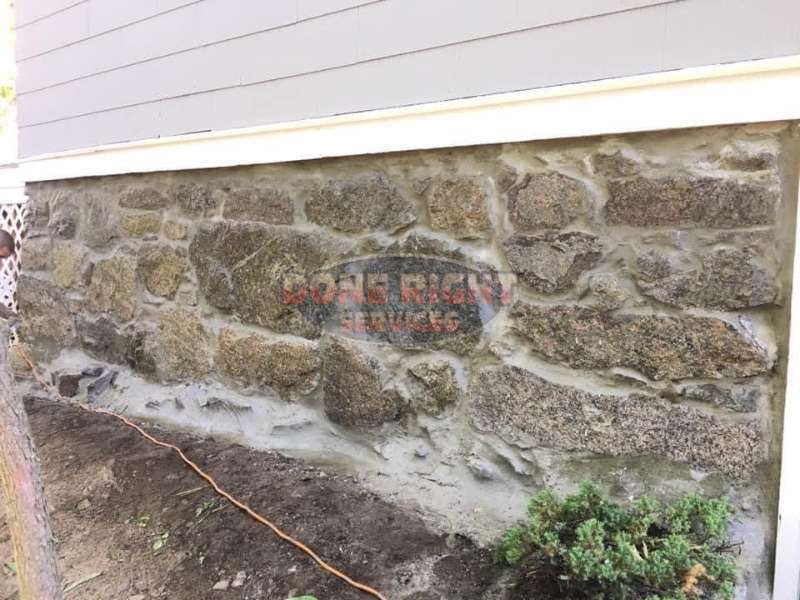
Repointing deteriorated mortar joints is an important stone foundation leak repair technique. This process involves removing old mortar from between stones and replacing it with new material that matches the original composition and color. New Hampshire contractors specializing in foundation waterproofing understand the unique challenges posed by stone foundations and can perform repointing that preserves historical accuracy while improving water resistance.
Cleaning gutters and downspout systems becomes increasingly important during summer months in New Hampshire. Clogged gutters allow water to overflow, creating pools against the foundation. Monthly cleaning during spring and early summer prevents this common cause of basement leaks. Trimming tree branches that overhang roofs also helps keep gutters clear and functional.
Choosing Professional Foundation Waterproofing Services
Selecting the right contractor for foundation waterproofing in New Hampshire requires careful consideration. Look for companies with extensive experience working with stone foundations specifically, as these require different approaches than poured concrete foundations. Reputable basement waterproofing contractors should provide detailed inspections, clear explanations of their recommendations, and transparent pricing.
Ask potential contractors about their specific experience with New Hampshire climate challenges and local building codes. Request references from previous clients and check online reviews from homeowners in your area. Proper stone foundation leak repair and basement waterproofing require expertise that comes from years of working with New England’s unique geological and weather conditions.
Many professional companies offer warranties on their waterproofing work, providing additional peace of mind. These warranties typically cover materials and labor for periods ranging from five to twenty years. Understanding warranty terms before hiring contractors helps you make informed decisions about protecting your home’s foundation.
Conclusion
Foundation waterproofing is essential for protecting stone foundations during New Hampshire summers. By combining exterior and interior wet basement solutions with regular maintenance, homeowners can prevent costly water damage and maintain healthy basements. Whether your home needs minor mortar repointing or comprehensive exterior waterproofing, addressing foundation issues promptly saves money and prevents structural problems. Invest in proper basement waterproofing today to enjoy a dry, protected home for years to come.
Need The Best Foundation Crack Repair Specialist Near You?
At Done Right Services, we’ve been the trusted name in masonry since 1998, offering top-notch stone foundation repairs, crack repairs, and basement waterproofing throughout Massachusetts and New Hampshire. Our team of experts is dedicated to restoring your home’s foundation and ensuring your basement stays dry and safe. With our lifetime warranty and 15-year money-back guarantee on all concrete foundation services, you can trust that we’ll handle your needs with precision and care. Don’t let water leaks or foundation issues damage your home—reach out to us and experience the Done Right difference today!
If you own a home in Massachusetts or New Hampshire with a stone foundation, you’ve likely heard about repointing and waterproofing as two critical maintenance solutions. But what’s the real difference between these two foundation repair approaches? More importantly, which one does your stone foundation actually need? Understanding the distinction between stone foundation repointing vs waterproofing is essential for protecting your home’s structural integrity and avoiding costly water damage down the road.
Many homeowners confuse these two processes, but they serve very different purposes when it comes to foundation repair. Repointing addresses the mortar joints between stones, while waterproofing creates a moisture barrier. Both are important for Massachusetts and New Hampshire stone foundations, but the right choice depends on your specific situation.
Stone Foundation Repointing
Repointing is the process of removing old, deteriorating mortar from between the stones of your foundation and replacing it with fresh mortar. Over decades, mortar naturally breaks down due to freeze-thaw cycles, moisture infiltration, and age. This is especially common in older New England homes where stone foundation services have been neglected for years.
When mortar deteriorates, water can penetrate the spaces between stones. This leads to serious problems including foundation instability, interior water intrusion, and structural damage. The repointing process involves carefully removing the damaged mortar to a specific depth, typically about 2.5 times the mortar joint width. Once removed, new mortar is packed into the joints to create a tight seal.
The benefits of repointing extend beyond just stopping water. A proper repointing job restores structural integrity to your stone foundation. The mortar acts as a binder holding the stones together, distributing loads evenly. When mortar fails, individual stones can shift, creating uneven settlement and cracks. Professional stone foundation services in MA and NH will match the original mortar composition to ensure compatibility and longevity.
One advantage of repointing is that it’s highly visible. You can see the improved appearance of your foundation walls after the work is completed. Many homeowners find that repointing also improves the aesthetic appeal of their stone foundations, revealing the natural beauty of the stones underneath.
The Role of Waterproofing in Basement Moisture Repair
Waterproofing takes a different approach to foundation protection. Instead of addressing the mortar joints, waterproofing creates a protective barrier on the foundation surface to prevent water from entering the foundation system. This is a critical component of basement moisture repair in Massachusetts and New Hampshire, where heavy rains and snowmelt create significant moisture pressure against foundation walls.
There are several waterproofing methods available. Exterior waterproofing involves excavating around the foundation and applying a moisture-resistant coating or membrane to the outside walls. Interior waterproofing uses sealers applied to the inside surface. Some homes benefit from interior drainage systems that collect and redirect water away from the foundation.
Waterproofing is particularly important if you have active water intrusion, efflorescence (white mineral deposits), or dampness in your basement. These signs indicate that water is currently penetrating your foundation, and a waterproofing solution may be more immediately necessary than repointing.
The advantage of waterproofing is that it can be done relatively quickly without the extensive labor required for repointing. Exterior waterproofing, while more invasive initially, often provides longer-lasting protection because it addresses water before it reaches the foundation surface. Interior waterproofing offers a less disruptive option when exterior access is limited.
How Climate Affects Your Decision in MA and NH
The climate in Massachusetts and New Hampshire significantly impacts which foundation repair solution you’ll need. New England’s freeze-thaw cycles are particularly brutal on stone foundations. Water seeps into mortar joints, freezes, expands, and breaks the mortar apart. This cycle repeats year after year, progressively weakening the mortar.
Repointing becomes increasingly necessary as mortar reaches the end of its lifecycle, typically 25 to 30 years depending on mortar quality and weather exposure. In Massachusetts and New Hampshire, older homes with original mortar often need repointing to maintain structural integrity.
Waterproofing, meanwhile, becomes essential because of the tremendous amount of moisture these regions receive. Spring snowmelt combines with April and May rains to create significant hydrostatic pressure against foundation walls. Basements in MA and NH frequently experience moisture problems that waterproofing can effectively prevent.
The best approach for many New England homeowners involves both solutions. First, assess the condition of your mortar. If it’s failing, repointing should be your priority. Once the mortar is restored, adding waterproofing provides additional insurance against the region’s heavy moisture.
Assessing Your Foundation’s Actual Needs
Determining whether your stone foundation needs repointing or waterproofing requires careful inspection. Look for several warning signs that indicate repointing is necessary. Visible gaps in mortar joints, missing mortar, or mortar that crumbles when touched all suggest repointing is overdue. Water leaking along mortar lines during heavy rains indicates moisture is finding its way through deteriorated mortar.
Signs that waterproofing is needed include consistently damp basement walls, active water intrusion, efflorescence, mold growth, or a musty smell. If water is actively entering your basement despite intact mortar, waterproofing should be your focus. Water stains on the lowest portions of foundation walls also suggest moisture pressure from outside requires waterproofing solutions.
Foundation repair professionals in Massachusetts and New Hampshire can assess your specific situation. They can determine mortar condition using specialized tools and can identify the source of any moisture problems. Many homes need both services, but the sequencing matters. Repoint first to ensure structural integrity, then waterproof to protect against moisture.
Planning Your Foundation Repair Project
Once you’ve determined whether you need repointing, waterproofing, or both, planning becomes crucial. Repointing projects require significant labor and typically take longer than waterproofing installations. For extensive work, expect several weeks for a full stone foundation repointing. Waterproofing timelines vary depending on the method chosen.
Budget is another consideration. Repointing costs vary based on the foundation’s size and mortar condition, but typically range from several thousand to tens of thousands of dollars for complete work. Waterproofing costs depend on whether you choose interior or exterior solutions and the foundation’s square footage.
Weather timing matters in Massachusetts and New Hampshire. Late spring through early fall offers the best window for exterior work. Waterproofing applications also work best in dry conditions to ensure proper adhesion. Plan your foundation repair during favorable weather when possible.
Consider getting multiple quotes from stone foundation services in MA and NH. Experienced contractors will provide detailed assessments and recommendations based on your foundation’s actual condition rather than simply selling the more expensive option.
Conclusion
Both repointing and waterproofing serve essential functions for stone foundations in Massachusetts and New Hampshire. Repointing addresses structural integrity by replacing failed mortar, while waterproofing prevents water intrusion. Assess your foundation’s condition carefully, consult with experienced professionals, and plan accordingly. Many homes benefit from both services, applied in the right sequence, to ensure long-term protection and stability.
Need The Best Foundation Crack Repair Specialist Near You?
At Done Right Services, we’ve been the trusted name in masonry since 1998, offering top-notch stone foundation repairs, crack repairs, and basement waterproofing throughout Massachusetts and New Hampshire. Our team of experts is dedicated to restoring your home’s foundation and ensuring your basement stays dry and safe. With our lifetime warranty and 15-year money-back guarantee on all concrete foundation services, you can trust that we’ll handle your needs with precision and care. Don’t let water leaks or foundation issues damage your home—reach out to us and experience the Done Right difference today!
Stone foundations are a hallmark of older homes throughout Massachusetts and New Hampshire, offering character and durability that has stood the test of time. However, these venerable structures face a persistent challenge: water intrusion. Foundation waterproofing cost is a concern for many homeowners in MA and NH, yet the investment in proper waterproofing can save thousands of dollars in costly repairs down the line. Understanding how stone foundation waterproofing works and why it matters is essential for anyone living in these moisture-prone regions.
Stone Foundation Vulnerabilities
Stone foundations, while historically impressive, were built using techniques that differ significantly from modern construction standards. Eighteenth and nineteenth-century builders used lime mortar to bind stones together, creating structures that were functional but not impervious to water infiltration. Over decades and centuries, this mortar deteriorates, especially in Massachusetts and New Hampshire where freeze-thaw cycles are common. Water seeps through gaps and cracks, creating an ideal environment for dampness and mold in basements.
The basement waterproofing challenge in these older homes is compounded by soil conditions and the region’s climate. Massachusetts experiences significant precipitation throughout the year, while New Hampshire’s alpine regions bring heavy snowfall and rapid spring runoff. When snow melts or heavy rains occur, water naturally seeks the path of least resistance, and deteriorating stone foundations provide an open invitation. Foundation water damage foundation repair becomes necessary when homeowners ignore these early warning signs.
Many homeowners in Massachusetts discover water pooling in corners, efflorescence on walls, or musty odors that indicate moisture problems. These initial signs should trigger action to prevent foundation damage before structural issues develop. The cost to prevent foundation damage through early waterproofing intervention is substantially less than addressing major structural repairs later.
The Real Costs of Ignoring Foundation Waterproofing
The foundation waterproofing cost that homeowners pay upfront is minimal compared to the expenses they face when water damage compounds. In Massachusetts and New Hampshire, foundation repair costs can range from several thousand to tens of thousands of dollars when water damage becomes severe. A basement waterproofing project might cost three to eight thousand dollars initially, depending on the extent of the problem and chosen solutions.
Compare that to the cost of structural repairs needed when water damage goes unchecked for years. Damaged foundation walls, compromised support beams, and extensive mold remediation can easily exceed fifty thousand dollars or more. Water damage foundation repair costs escalate quickly when the problem spreads beyond the foundation itself, affecting insulation, framing, and electrical systems.
Additionally, untreated water intrusion reduces home value significantly. Potential buyers in Massachusetts and New Hampshire conduct thorough inspections and immediately identify moisture problems. A home with known foundation water damage becomes harder to sell and commands a lower price. The foundation waterproofing cost becomes an investment that protects your home’s resale value while improving livability.
Waterproofing Solutions for Massachusetts Stone Foundations
Modern waterproofing solutions address the unique challenges posed by stone foundations in MA. Interior sealants can be applied to foundation walls, creating a barrier against moisture migration. These products work by bonding to the stone and mortar, filling microscopic gaps where water penetrates. This approach is less invasive and costs less than exterior excavation, making it popular for homeowners with limited budgets.
Exterior waterproofing involves excavating around the foundation to access the outer walls. Specialized coatings are applied to the stone surface, and a drainage system is installed to direct water away from the foundation. In Massachusetts, where ground water levels can be high, this solution proves highly effective. Though more expensive than interior methods, exterior waterproofing provides superior long-term protection.
For New Hampshire stone foundations, combination approaches often work best. Installing interior sump pumps and perimeter drain systems captures water before it saturates the foundation. These systems work alongside applied sealants to create comprehensive protection. The foundation waterproofing cost for a complete system in NH typically falls between five and twelve thousand dollars, depending on basement size and severity of existing moisture.
Regional Considerations for Massachusetts and New Hampshire
Massachusetts presents specific challenges for stone foundation waterproofing due to its dense development patterns and proximity to water bodies. Coastal properties and those near rivers experience heightened water table issues. Boston and its surrounding areas have glacial soils that retain moisture, making basement waterproofing essential. The climate also brings extended wet seasons, increasing hydrostatic pressure against foundation walls.
New Hampshire’s mountainous terrain means many homes sit on slopes where water naturally flows toward foundations. The state’s freeze-thaw cycles are particularly damaging to stone mortar, creating new pathways for water intrusion each winter. NH homeowners should prioritize waterproofing to prevent foundation damage before winter arrives, as frozen ground and reduced drainage capacity worsen moisture problems.
Both Massachusetts and New Hampshire experience acid rain, which degrades lime mortar faster than in other regions. Homeowners should consider this when evaluating their foundation’s condition. A professional inspection can reveal whether repointing deteriorated mortar should accompany waterproofing efforts. Combined MA and NH solutions that address both water exclusion and mortar repair provide the best outcomes.
Long-Term Benefits of Professional Waterproofing
Investing in professional basement waterproofing through licensed contractors in Massachusetts and New Hampshire offers numerous long-term advantages. Properly installed systems can last twenty to thirty years with minimal maintenance. Many contractors offer warranties covering their work, providing peace of mind that your investment is protected.
Waterproofing also improves indoor air quality by reducing mold and mildew growth. Families in MA and NH notice decreased respiratory issues and allergies when basement moisture is controlled. Finished basements become usable living space rather than perpetually damp storage areas. The foundation waterproofing cost becomes even more justified when you consider the increased square footage and functionality added to your home.
Energy efficiency improvements accompany proper waterproofing. When foundation walls remain dry, insulation performs as designed, reducing heating and cooling costs. In Massachusetts winters and New Hampshire’s cold climate, this translates to meaningful energy savings that continue year after year.
Conclusion
Stone foundation waterproofing represents a crucial investment for Massachusetts and New Hampshire homeowners. The foundation waterproofing cost, while significant, pales in comparison to the expenses of ignoring water intrusion. By addressing moisture problems promptly, homeowners protect their properties from foundation damage, preserve structural integrity, and maintain home values. Professional waterproofing solutions tailored to regional climate challenges ensure that historic stone foundations continue protecting homes for generations to come.
Need The Best Foundation Crack Repair Specialist Near You?
At Done Right Services, we’ve been the trusted name in masonry since 1998, offering top-notch stone foundation repairs, crack repairs, and basement waterproofing throughout Massachusetts and New Hampshire. Our team of experts is dedicated to restoring your home’s foundation and ensuring your basement stays dry and safe. With our lifetime warranty and 15-year money-back guarantee on all concrete foundation services, you can trust that we’ll handle your needs with precision and care. Don’t let water leaks or foundation issues damage your home—reach out to us and experience the Done Right difference today!
If you are a homeowner in Andover, MA, thinking about selling, refinancing, or simply protecting your home’s long-term value, basement waterproofing may be one of the smartest investments you can make. Beyond the obvious benefit of preventing leaks or mold, waterproofing can have a measurable impact on your property’s resale potential, inspection results, and overall market appeal.
So, does basement waterproofing increase property value in Massachusetts? According to both local real estate agents and property appraisers, the answer is yes — especially in regions like Andover where moisture, snowmelt, and older foundations can present serious challenges. In this article, we’ll explain exactly how waterproofing affects your home’s value, what buyers are looking for, and why working with a trusted Andover basement waterproofing company can make all the difference.
Why Basement Waterproofing Matters in Andover, MA
Andover homeowners are no strangers to New England’s unpredictable weather. The combination of heavy spring rains, melting snow, and humid summers puts enormous pressure on basement foundations. Even newer homes can experience moisture intrusion through hairline cracks, porous concrete, or failing sump systems.
Once water enters, it can lead to costly issues like mold growth, foundation damage, and structural deterioration. These problems don’t just impact comfort or air quality: they can dramatically lower your home’s appraisal value.
That’s why local home inspectors often flag moisture issues as red flags during pre-sale evaluations. A home with a damp or musty basement immediately raises concerns for potential buyers, who may assume hidden damage or anticipate high repair costs.
By contrast, a professionally waterproofed basement signals care, maintenance, and stability; all factors that directly increase home value through waterproofing.
How Waterproofing Affects Home Appraisal in Andover, MA
When appraisers evaluate a home in Andover, they consider more than just size and location. They assess structural integrity, moisture conditions, and the overall usability of every space, including the basement.
A dry, odor-free basement adds significant perceived value because it expands the home’s livable area. Finished or partially finished basements can increase usable square footage, improving both comfort and resale potential. However, if there is visible dampness or water damage, appraisers typically apply downward adjustments to the property’s value.
In other words, waterproofing doesn’t just protect your basement: it protects your appraisal.
Investing in basement waterproofing in Andover, MA, ensures that inspectors and appraisers see a clean, stable foundation that supports your asking price rather than undermining it.
Does Basement Waterproofing Add Value to Your Home?
The short answer is yes, but the benefits go beyond simple dollars and cents. The real value of waterproofing lies in three key areas:
1. Improved Buyer Confidence
Homebuyers in Massachusetts are more cautious than ever. They know how common basement moisture issues can be and often ask about previous leaks during open houses or inspections. When you can show proof of professional waterproofing, it immediately builds trust and reduces buyer hesitation.
Providing documentation from a reputable Andover basement waterproofing company can even help justify your asking price by demonstrating preventive care and long-term maintenance.
2. Expanded Livable Space
A dry basement opens the door to countless possibilities. Whether buyers envision a guest suite, gym, or home office, a waterproofed basement adds functional potential. Even if it’s not fully finished, a clean, moisture-free space feels more usable and appealing, directly influencing perceived value.
3. Lower Risk, Higher Value
Water intrusion can lead to problems that are far more expensive than waterproofing itself. Mold remediation, foundation crack repair, or structural reinforcements can cost tens of thousands of dollars. Buyers who see a dry, well-maintained basement know they’re avoiding those risks—and that peace of mind translates to higher offers.
So if you’re wondering “does basement waterproofing add value?”, the answer is absolutely — both financially and psychologically.
Benefits of Basement Waterproofing Before Selling a Home
If you plan to sell your property soon, the timing of your waterproofing investment matters. Addressing issues before listing ensures your home presents its best condition during showings and inspections. Here’s why it’s a smart move:
Prevents negative inspection findings: Home inspectors almost always test for moisture or foundation cracks. Waterproofing eliminates one of the biggest potential deal-breakers.
Increases curb-to-contract appeal: Buyers are more likely to make competitive offers on homes that feel solid and well cared for.
Reduces negotiation leverage: Without waterproofing, buyers might demand costly credits or repairs during the closing process.
Speeds up the sale: Homes that pass inspection with minimal issues tend to close faster.
In Andover’s competitive housing market, where older homes often show foundation wear, waterproofing before selling can be a key differentiator. It assures potential buyers that your home is protected from the region’s challenging weather patterns.
Waterproofing and Resale Value: The Cost vs. Value Equation
One of the most common questions homeowners ask is about the cost vs. value of waterproofing in Andover. The answer depends on your specific property, but industry data consistently shows a positive return on investment.
For instance, professional basement waterproofing can yield a ROI between 80 and 120 percent, depending on the scope of work and local real estate conditions. When compared to other home improvement projects, this is one of the highest-value investments you can make before selling.
Even for homeowners not planning to sell immediately, the value continues to grow over time. By preventing water damage, you’re avoiding thousands in potential repairs, insurance claims, and depreciation.
When paired with other upgrades, like foundation crack repair, sump pump installation, or exterior grading, waterproofing enhances both functionality and market appeal.
The Real Estate Perspective: What Experts Say
Local real estate professionals in Essex County consistently confirm that waterproofing adds measurable value. Homes with dry basements attract more qualified buyers, sell faster, and often avoid prolonged negotiations over repairs or price reductions.
Real estate agents frequently report that homes with documented waterproofing history and transferable warranties stand out during property comparisons. They also photograph better, as dry basements look brighter and cleaner in listings.
Home inspectors echo this sentiment, noting that waterproofing not only prevents inspection delays but also simplifies report writing, which can influence buyer confidence.
So if you’re asking “does basement waterproofing increase property value in Massachusetts?”, real estate experts agree: it absolutely does — particularly in older towns like Andover, where many basements were built decades ago.
How Waterproofing Affects Long-Term Value
While waterproofing certainly helps with resale, it’s equally important for homeowners planning to stay long-term. Preventive waterproofing strengthens your home’s foundation and safeguards against environmental stressors such as heavy rainfall and ground shifting.
By keeping moisture out, you also protect flooring, electrical systems, insulation, and stored belongings from deterioration. This reduces long-term maintenance costs and preserves the integrity of your home’s structure.
A professionalAndover basement waterproofing company will assess your property’s specific vulnerabilities, including foundation cracks, grading issues, or sump pump performance, to design a solution that ensures your investment lasts for decades.
Should I Waterproof My Basement Before Selling?
If your home is located in Andover or the greater Essex County area, the answer is almost always yes. Buyers in this region are familiar with the challenges of moisture-prone basements and are often willing to pay more for homes that are already protected.
Before putting your home on the market, schedule a free inspection with a trusted waterproofing contractor. They can identify potential problem areas and recommend cost-effective solutions to strengthen your home’s foundation and improve its market readiness.
Even simple fixes, like sealing foundation cracks, improving drainage, or adding a sump pump, can go a long way in boosting buyer confidence.
Choosing the Right Andover Basement Waterproofing Company
Not all waterproofing companies deliver the same level of quality or long-term protection. When choosing a contractor, look for one with local experience and a proven track record of success in Andover’s climate.
A reliable commercial and residential waterproofing contractor should offer:
Detailed inspections and transparent recommendations
Proven waterproofing methods (interior drainage, foundation sealing, exterior membranes, and crack injection)
Licensed and insured technicians
Warrantied solutions that can transfer to the next homeowner
References from previous clients in Andover or nearby communities
At Foundation Crack Repair, we specialize in basement waterproofing in Andover, MA, designed to stand up to New England’s demanding weather. Our experts use advanced materials and modern waterproofing techniques to keep basements dry, stable, and safe. Whether you’re selling your home or simply protecting your investment, we provide durable solutions that add value for years to come.
Protect Your Home, Increase Its Value
Waterproofing is more than just a home improvement project: it’s an investment in stability, comfort, and future profit. When done professionally, it can improve your home’s resale value, speed up the selling process, and eliminate costly surprises during inspection.
If you’re asking yourself whether waterproofing increases home value, the data and local expertise agree: yes, it does.
To learn more about how waterproofing affects home appraisal in Andover, MA, or to schedule a free consultation, contact Foundation Crack Repair today. Our team proudly serves homeowners throughout Andover and Essex County, offering high-quality waterproofing that keeps your home dry, safe, and market-ready all year long.