

Spring in New Hampshire is a season of dramatic transformation. Snow melts from the White Mountains, rivers swell, and rainfall arrives in relentless waves across the Granite State. For homeowners, this annual shift brings more than mud and blooming wildflowers. It brings a serious test of your home’s foundation waterproofing. If your foundation has even the smallest vulnerability, heavy spring rains in NH will find it.
Understanding why this happens and what you can do about it can save you thousands of dollars and protect the long-term health of your home.
Why Spring Rainfall Is So Hard on New Hampshire Foundations
New Hampshire’s spring season creates a perfect storm of conditions that put enormous stress on residential foundations. The ground, frozen solid for months, begins to thaw from the top down. This thawing process leaves the deeper soil layers still impermeable for weeks, meaning that melting snow and heavy rainfall have nowhere to go except sideways and downward along the path of least resistance. That path often leads directly to your foundation walls.
The combination of snowmelt and spring precipitation in NH is particularly aggressive. Average spring rainfall totals across southern New Hampshire can push well past three inches per month during April and May, and years with heavier-than-average winters tend to produce even more saturated soil conditions. When the ground simply cannot absorb any more moisture, hydrostatic pressure builds against foundation walls. This pressure is relentless and surprisingly powerful. Over time, it forces water through hairline cracks, porous concrete, compromised mortar joints, and aging waterproofing membranes.
Many homeowners in New Hampshire only discover their foundation waterproofing has failed when they walk downstairs after a heavy rain and find water on the floor. By that point, the damage is already underway. Wet basement repair is significantly more expensive when left unaddressed, and the structural integrity of your foundation can deteriorate faster than most people realize.
Common Signs That Spring Rain Has Exposed a Foundation Problem
Recognizing the early warning signs of a foundation waterproofing failure is critical for NH homeowners. Water intrusion rarely announces itself loudly at first. Instead, it creeps in quietly and leaves behind clues that are easy to dismiss until the problem becomes impossible to ignore.
Efflorescence is one of the first signs many homeowners notice. This white, chalky residue on basement walls forms when water moves through concrete and carries dissolved minerals to the surface. On its own, efflorescence is not a structural crisis, but it tells you that water is actively moving through your foundation walls. In New Hampshire, you might see this appear or worsen significantly after the first heavy spring rains.
Musty odors in the basement are another red flag. Even when you cannot see standing water, a persistently damp smell indicates elevated moisture levels that can fuel mold and mildew growth. Mold thrives in wet, dark environments, and a basement with compromised foundation waterproofing provides exactly that. NH homeowners sometimes attribute these smells to old construction or seasonal humidity without realizing water intrusion is the actual cause.
Visible cracks in foundation walls or floors deserve immediate attention. Horizontal cracks in block or poured concrete walls are especially serious because they can indicate lateral pressure from soil. Vertical or stair-step cracks, while sometimes less urgent, still provide an entry point for water. During spring in NH, these cracks can allow significant water infiltration in just a single storm event.
Standing water or persistent damp spots on basement floors after rain are obvious indicators of basement flooding risk. If you notice these issues only during or after heavy spring rainfall, your drainage and waterproofing systems are likely overwhelmed or failing. Wet basement repair should be scheduled before the problem escalates into full flooding.
Understanding Hydrostatic Pressure and Soil Saturation in NH
To truly appreciate why foundation waterproofing fails during spring in New Hampshire, it helps to understand the mechanics of hydrostatic pressure. When soil surrounding your foundation becomes saturated, water exerts outward and inward pressure in all directions. A cubic foot of water weighs over 62 pounds. Multiply that across an entire foundation wall surrounded by saturated soil, and the force pressing against your basement is immense.
New Hampshire’s soil composition varies significantly from region to region, and this affects how water drains during spring storms. Rocky, glaciated soils in northern NH may drain more quickly in some areas but create channeling effects that direct concentrated water flow toward structures. Clay-heavy soils in other parts of the state hold moisture far longer and maintain hydrostatic pressure against foundation walls for days or even weeks after a rain event ends.
Older homes throughout New Hampshire face additional challenges. Foundations built decades ago often lack the waterproof foundation solutions that modern construction standards require. Many older homes were built with no waterproofing membrane at all, relying on drainage conditions that may no longer exist due to landscaping changes, soil compaction, or nearby development. When spring rains arrive in full force, these older foundations are working against the water with no real defense in place.
Waterproof Foundation Solutions Available to NH Homeowners
The good news for homeowners across New Hampshire is that effective waterproof foundation solutions exist at a range of investment levels. The right approach depends on the severity of the problem, the age and construction of your foundation, and whether you need interior or exterior remediation.
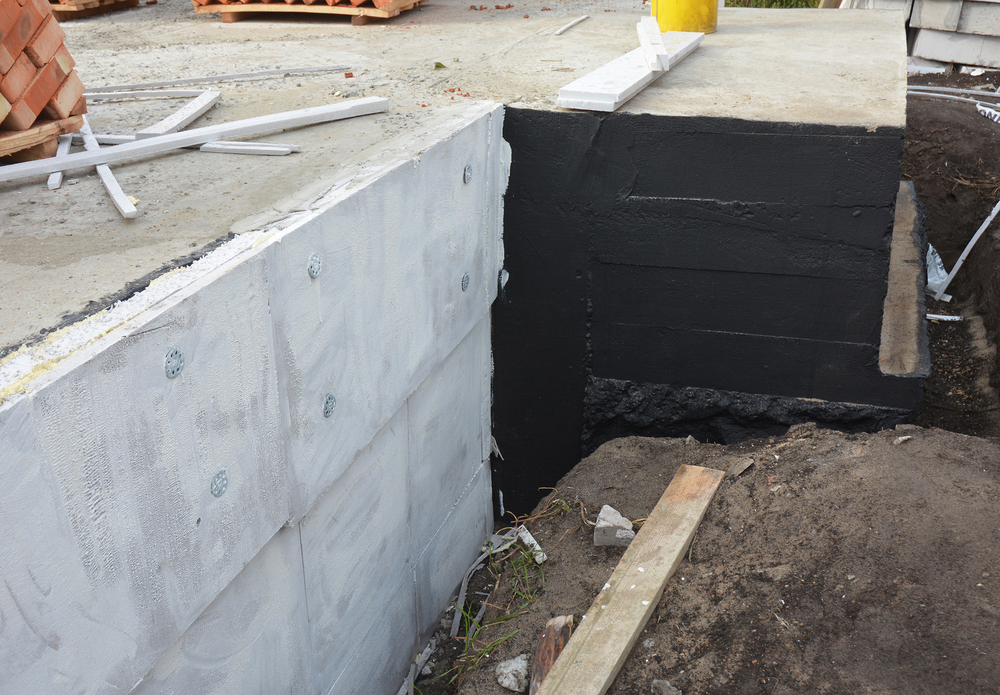
Exterior waterproofing is widely considered the most comprehensive long-term solution. This process involves excavating the soil around the foundation, applying a waterproofing membrane or coating directly to the exterior foundation walls, installing a drainage board to redirect water away from the structure, and improving or replacing the footing drain system. While exterior waterproofing requires more labor and upfront investment, it addresses the source of water intrusion before it ever reaches your foundation walls. For NH homeowners with serious or recurring basement flooding, this is often the most effective permanent fix.
Interior waterproofing systems offer a practical and effective alternative, particularly for homes where exterior excavation is impractical. Interior drainage channels are installed along the perimeter of the basement floor, directing water that does enter the space toward a sump pump system. Modern sump pumps with battery backup are essential in New Hampshire, where spring storms can knock out power while simultaneously driving heavy rainfall into vulnerable foundations. Interior systems do not stop water from entering the walls, but they manage it so effectively that wet basement repair is largely avoided.
Crack injection is another targeted solution for foundations suffering from specific entry points. Polyurethane or epoxy injection fills cracks from the inside, creating a flexible or rigid seal depending on the material used. This approach works well for isolated cracks but is not a substitute for comprehensive foundation waterproofing when widespread moisture intrusion is occurring.
Improving exterior grading and drainage around your home is a lower-cost first step that every NH homeowner should consider. Soil should slope away from the foundation at a grade of at least one inch per foot for the first six feet surrounding the structure. Downspout extensions should carry roof runoff well away from the foundation perimeter. These measures alone will not solve a serious waterproofing failure, but they reduce the volume of water pressing against your foundation during spring storms.
Conclusion
Spring rains in New Hampshire have a way of revealing what has been hidden all winter long. For homeowners, that often means coming face to face with foundation waterproofing failures that cannot wait another season. From understanding hydrostatic pressure to exploring waterproof foundation solutions suited to NH conditions, taking action before or immediately after problems appear is always the smarter and more affordable path. Whether you need targeted wet basement repair or a full exterior waterproofing system, addressing the issue now protects your home for every spring season ahead.
Need The Best Foundation Crack Repair Specialist Near You?
At Done Right Services, we’ve been the trusted name in masonry since 1998, offering top-notch stone foundation repairs, crack repairs, and basement waterproofing throughout Massachusetts and New Hampshire. Our team of experts is dedicated to restoring your home’s foundation and ensuring your basement stays dry and safe. With our lifetime warranty and 15-year money-back guarantee on all concrete foundation services, you can trust that we’ll handle your needs with precision and care. Don’t let water leaks or foundation issues damage your home—reach out to us and experience the Done Right difference today!