From heavy snowmelt in the spring to relentless humidity in the summer, moisture finds its way into places it has no business being, and the basement is often the first casualty. Poor basement waterproofing does far more than leave a puddle on your floor. It sets off a chain reaction that quietly degrades the air your family breathes every single day. Understanding how moisture problems in the basement affect your indoor air quality is the first step toward protecting your home and your health.
The Connection Between Moisture and Indoor Air Pollution
Most homeowners think of air quality as an outdoor concern, something tied to traffic or pollen counts. But the Environmental Protection Agency has noted for years that indoor air can be significantly more polluted than outdoor air, and a damp basement is one of the most common culprits in residential settings.
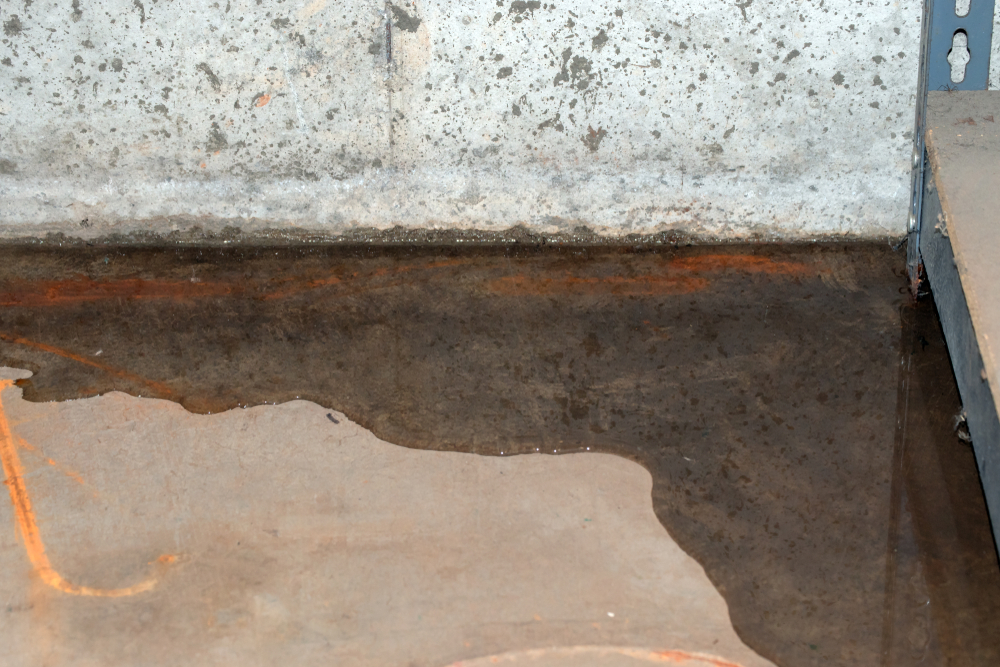
When water seeps through an unprotected or poorly sealed foundation, it introduces persistent moisture into your basement environment. That moisture does not stay put. Through a process called the stack effect, air from the lower levels of your home naturally rises upward through the living spaces. This means that whatever is lurking in your basement air, whether that is mold spores, mildew odors, or airborne particles from deteriorating building materials, gets pulled right into the rooms where you sleep, eat, and spend your time.
In New Hampshire, where basements are a standard feature of nearly every older home and most new construction, basement waterproofing is not a luxury. It is a necessity that directly influences the quality of the air circulating throughout your entire house.
What Grows When Water Gets In
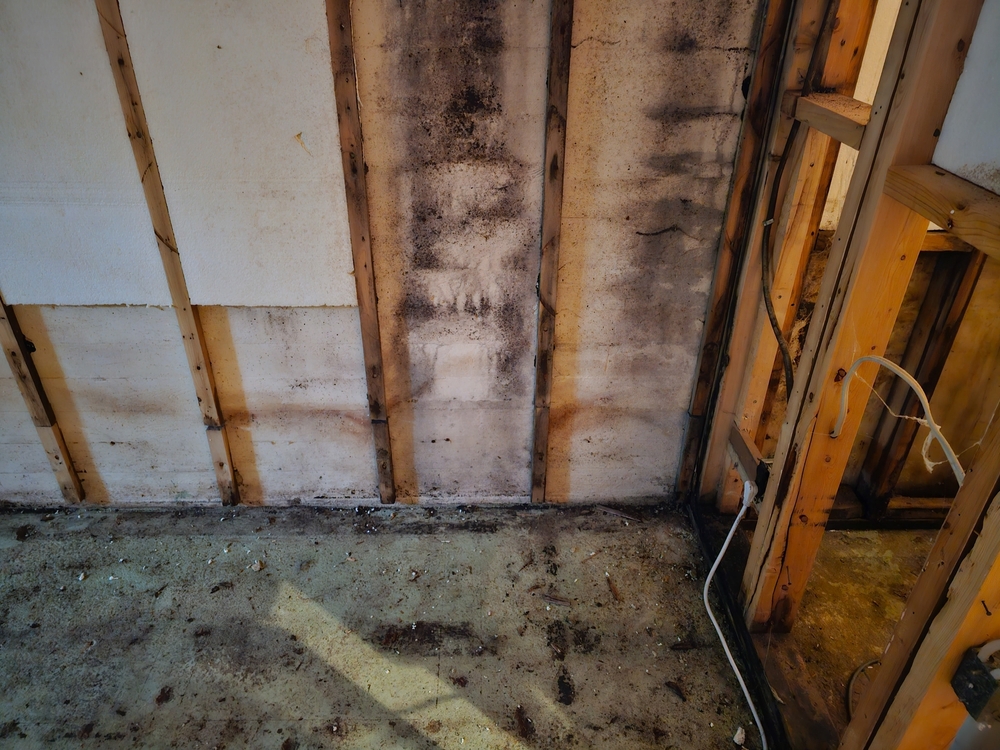
The most significant biological threat that comes with a damp basement is mold. Mold requires only a few conditions to thrive: a food source (wood, drywall, insulation), a suitable temperature, and moisture. A basement with poor waterproofing provides all three.
Mold colonies can begin forming within 24 to 48 hours of water exposure. Once established, they release microscopic spores into the air continuously. Inhaling these spores over time can trigger allergic reactions, asthma flare-ups, sinus congestion, and respiratory irritation. For children, the elderly, or anyone with a compromised immune system, the health consequences can be considerably more serious.
Beyond mold, moisture problems in the basement also encourage the growth of mildew and create ideal breeding conditions for dust mites, both of which are well-documented allergens. The musty odor that so many NH homeowners associate with their basements is not just unpleasant. It is a sign that biological activity is actively happening in your home, and that activity is affecting your air.
Foundation waterproofing services in NH often address these biological concerns as part of a broader remediation process. Sealing the foundation cuts off the moisture supply, which in turn starves the mold and mildew of the one ingredient they cannot survive without.
How Structural Damage Makes Air Quality Worse
Poor waterproofing does not just invite mold. It accelerates the breakdown of the very materials that make up your home, and deteriorating materials release their own set of air quality problems.
When water repeatedly infiltrates a basement, it begins to compromise wood framing, floor joists, and support beams. As wood rots, it becomes a feeding ground for mold and releases particulates into the air. Fiberglass insulation that gets wet loses its effectiveness and can become a reservoir for mold growth and trapped dust. In older New Hampshire homes, there is also the concern of disturbed or degraded materials that may have been installed decades ago, materials whose breakdown can release harmful particles into the indoor environment.
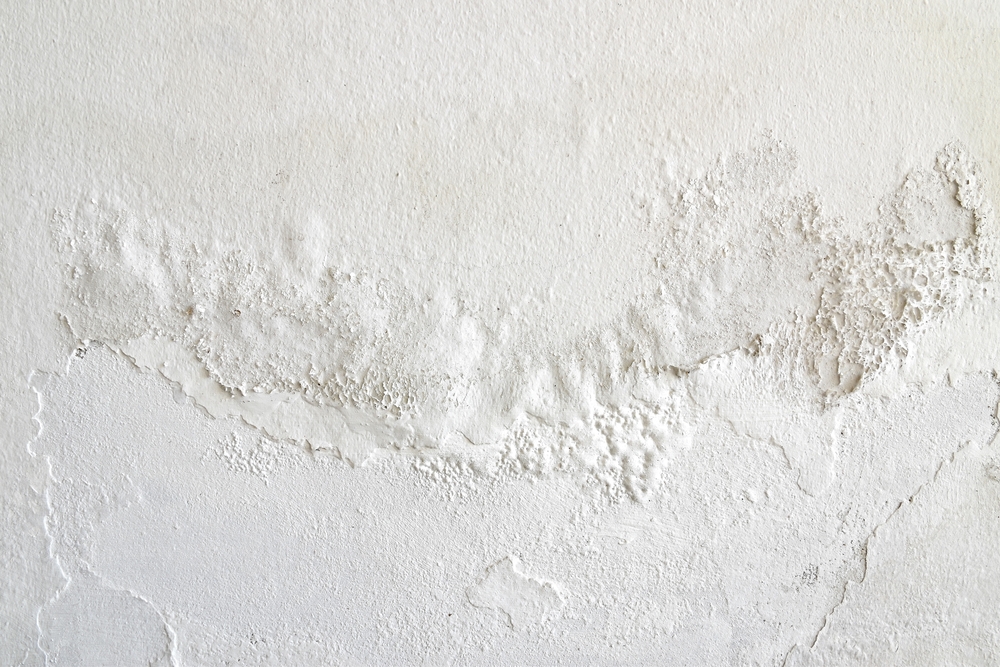
Efflorescence, the white chalky residue that appears on basement walls when water carries minerals through concrete, is another indicator of ongoing moisture movement. While efflorescence itself is not a direct health hazard, it signals that water is regularly penetrating your foundation walls. That same water is feeding everything else that damages your air quality.
Addressing moisture problems in the basement through proper foundation waterproofing services in NH stops this cycle before structural degradation reaches the point where air quality becomes a serious health concern for your household.
New Hampshire’s Climate and Why It Creates Unique Risks
New Hampshire presents a particularly demanding environment for basement waterproofing. The state experiences a full range of seasonal extremes. Winters bring deep freezes and heavy snowpack. Spring thaws send large volumes of water through saturated soil toward foundations. Summers bring humidity levels that can remain stubbornly high for months. Fall introduces freeze-thaw cycles that stress foundation walls and widen existing cracks.
This climate variability means that NH homes face moisture pressure from multiple directions and in multiple forms throughout the year. A basement that seems dry in October may be dealing with significant water infiltration by April. Homeowners who assume their basements are fine because they have not seen standing water may not realize that vapor transmission through walls and floors is quietly elevating humidity levels and setting the stage for air quality problems.
The freeze-thaw cycle deserves particular attention. When water enters a small crack in a foundation wall and then freezes, it expands, widening the crack further. Over several winters, what began as a hairline fracture becomes a meaningful gap through which both water and outdoor air can enter freely. That outdoor air in the shoulder seasons often carries mold spores and allergens from the surrounding landscape directly into your basement and then upward through your home.
Investing in basement waterproofing tailored to New Hampshire’s specific climate demands is not an overreaction. It is a practical response to conditions that genuinely put foundations and air quality at risk year after year.
Recognizing the Warning Signs and Taking Action
Many homeowners in New Hampshire live with damp basement air quality issues for years without connecting them to the health symptoms or comfort problems they experience upstairs. Knowing what to look for can help you act before the situation becomes severe.
Persistent musty odors in any part of the home, not just the basement, are one of the clearest early indicators. Condensation on basement walls or windows, even in the absence of visible water, points to elevated humidity driven by moisture intrusion. Staining on concrete walls, rust on metal fixtures, and peeling paint on basement walls are all signs that water is moving through your foundation regularly.
Upstairs, symptoms like unexplained allergy flare-ups, worsening asthma, chronic sinus congestion, or a general sense that the air feels heavy or stale can all trace back to what is happening below grade. If your HVAC system pulls air from the basement or if you have ductwork running through the basement, contaminated air from that space is being distributed actively throughout your home.
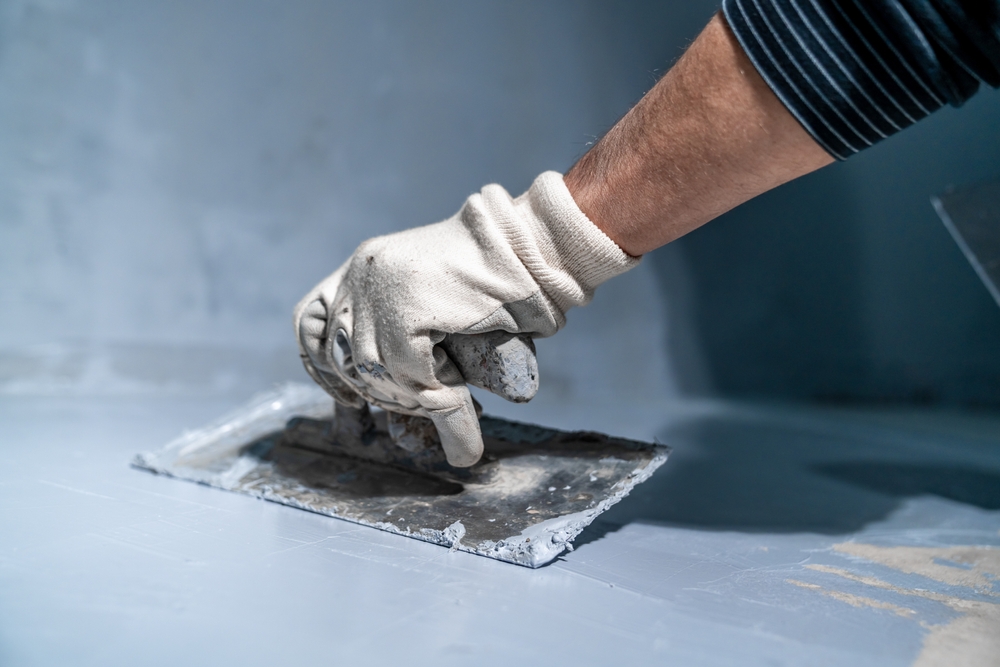
Professional foundation waterproofing services in NH can assess the specific vulnerabilities of your basement, whether that involves interior drainage systems, exterior waterproofing membranes, sump pump installation, or vapor barriers, and recommend a solution matched to your home’s construction and your region’s climate challenges.
Conclusion
Poor basement waterproofing is not a cosmetic issue. In New Hampshire, where climate extremes put continuous pressure on foundations, unaddressed moisture problems in the basement translate directly into degraded indoor air quality and measurable health risks. Mold, mildew, structural decay, and airborne particulates all follow from water intrusion. Taking basement waterproofing seriously protects not just your foundation but the air your family breathes every single day.
Need The Best Foundation Crack Repair Specialist Near You?
At Done Right Services, we’ve been the trusted name in masonry since 1998, offering top-notch stone foundation repairs, crack repairs, and basement waterproofing throughout Massachusetts and New Hampshire. Our team of experts is dedicated to restoring your home’s foundation and ensuring your basement stays dry and safe. With our lifetime warranty and 15-year money-back guarantee on all concrete foundation services, you can trust that we’ll handle your needs with precision and care. Don’t let water leaks or foundation issues damage your home—reach out to us and experience the Done Right difference today!
If you are a homeowner in Andover, MA, thinking about selling, refinancing, or simply protecting your home’s long-term value, basement waterproofing may be one of the smartest investments you can make. Beyond the obvious benefit of preventing leaks or mold, waterproofing can have a measurable impact on your property’s resale potential, inspection results, and overall market appeal.
So, does basement waterproofing increase property value in Massachusetts? According to both local real estate agents and property appraisers, the answer is yes — especially in regions like Andover where moisture, snowmelt, and older foundations can present serious challenges. In this article, we’ll explain exactly how waterproofing affects your home’s value, what buyers are looking for, and why working with a trusted Andover basement waterproofing company can make all the difference.
Why Basement Waterproofing Matters in Andover, MA
Andover homeowners are no strangers to New England’s unpredictable weather. The combination of heavy spring rains, melting snow, and humid summers puts enormous pressure on basement foundations. Even newer homes can experience moisture intrusion through hairline cracks, porous concrete, or failing sump systems.
Once water enters, it can lead to costly issues like mold growth, foundation damage, and structural deterioration. These problems don’t just impact comfort or air quality: they can dramatically lower your home’s appraisal value.
That’s why local home inspectors often flag moisture issues as red flags during pre-sale evaluations. A home with a damp or musty basement immediately raises concerns for potential buyers, who may assume hidden damage or anticipate high repair costs.
By contrast, a professionally waterproofed basement signals care, maintenance, and stability; all factors that directly increase home value through waterproofing.
How Waterproofing Affects Home Appraisal in Andover, MA
When appraisers evaluate a home in Andover, they consider more than just size and location. They assess structural integrity, moisture conditions, and the overall usability of every space, including the basement.
A dry, odor-free basement adds significant perceived value because it expands the home’s livable area. Finished or partially finished basements can increase usable square footage, improving both comfort and resale potential. However, if there is visible dampness or water damage, appraisers typically apply downward adjustments to the property’s value.
In other words, waterproofing doesn’t just protect your basement: it protects your appraisal.
Investing in basement waterproofing in Andover, MA, ensures that inspectors and appraisers see a clean, stable foundation that supports your asking price rather than undermining it.
Does Basement Waterproofing Add Value to Your Home?
The short answer is yes, but the benefits go beyond simple dollars and cents. The real value of waterproofing lies in three key areas:
1. Improved Buyer Confidence
Homebuyers in Massachusetts are more cautious than ever. They know how common basement moisture issues can be and often ask about previous leaks during open houses or inspections. When you can show proof of professional waterproofing, it immediately builds trust and reduces buyer hesitation.
Providing documentation from a reputable Andover basement waterproofing company can even help justify your asking price by demonstrating preventive care and long-term maintenance.
2. Expanded Livable Space
A dry basement opens the door to countless possibilities. Whether buyers envision a guest suite, gym, or home office, a waterproofed basement adds functional potential. Even if it’s not fully finished, a clean, moisture-free space feels more usable and appealing, directly influencing perceived value.
3. Lower Risk, Higher Value
Water intrusion can lead to problems that are far more expensive than waterproofing itself. Mold remediation, foundation crack repair, or structural reinforcements can cost tens of thousands of dollars. Buyers who see a dry, well-maintained basement know they’re avoiding those risks—and that peace of mind translates to higher offers.
So if you’re wondering “does basement waterproofing add value?”, the answer is absolutely — both financially and psychologically.
Benefits of Basement Waterproofing Before Selling a Home
If you plan to sell your property soon, the timing of your waterproofing investment matters. Addressing issues before listing ensures your home presents its best condition during showings and inspections. Here’s why it’s a smart move:
Prevents negative inspection findings: Home inspectors almost always test for moisture or foundation cracks. Waterproofing eliminates one of the biggest potential deal-breakers.
Increases curb-to-contract appeal: Buyers are more likely to make competitive offers on homes that feel solid and well cared for.
Reduces negotiation leverage: Without waterproofing, buyers might demand costly credits or repairs during the closing process.
Speeds up the sale: Homes that pass inspection with minimal issues tend to close faster.
In Andover’s competitive housing market, where older homes often show foundation wear, waterproofing before selling can be a key differentiator. It assures potential buyers that your home is protected from the region’s challenging weather patterns.
Waterproofing and Resale Value: The Cost vs. Value Equation
One of the most common questions homeowners ask is about the cost vs. value of waterproofing in Andover. The answer depends on your specific property, but industry data consistently shows a positive return on investment.
For instance, professional basement waterproofing can yield a ROI between 80 and 120 percent, depending on the scope of work and local real estate conditions. When compared to other home improvement projects, this is one of the highest-value investments you can make before selling.
Even for homeowners not planning to sell immediately, the value continues to grow over time. By preventing water damage, you’re avoiding thousands in potential repairs, insurance claims, and depreciation.
When paired with other upgrades, like foundation crack repair, sump pump installation, or exterior grading, waterproofing enhances both functionality and market appeal.
The Real Estate Perspective: What Experts Say
Local real estate professionals in Essex County consistently confirm that waterproofing adds measurable value. Homes with dry basements attract more qualified buyers, sell faster, and often avoid prolonged negotiations over repairs or price reductions.
Real estate agents frequently report that homes with documented waterproofing history and transferable warranties stand out during property comparisons. They also photograph better, as dry basements look brighter and cleaner in listings.
Home inspectors echo this sentiment, noting that waterproofing not only prevents inspection delays but also simplifies report writing, which can influence buyer confidence.
So if you’re asking “does basement waterproofing increase property value in Massachusetts?”, real estate experts agree: it absolutely does — particularly in older towns like Andover, where many basements were built decades ago.
How Waterproofing Affects Long-Term Value
While waterproofing certainly helps with resale, it’s equally important for homeowners planning to stay long-term. Preventive waterproofing strengthens your home’s foundation and safeguards against environmental stressors such as heavy rainfall and ground shifting.
By keeping moisture out, you also protect flooring, electrical systems, insulation, and stored belongings from deterioration. This reduces long-term maintenance costs and preserves the integrity of your home’s structure.
A professionalAndover basement waterproofing company will assess your property’s specific vulnerabilities, including foundation cracks, grading issues, or sump pump performance, to design a solution that ensures your investment lasts for decades.
Should I Waterproof My Basement Before Selling?
If your home is located in Andover or the greater Essex County area, the answer is almost always yes. Buyers in this region are familiar with the challenges of moisture-prone basements and are often willing to pay more for homes that are already protected.
Before putting your home on the market, schedule a free inspection with a trusted waterproofing contractor. They can identify potential problem areas and recommend cost-effective solutions to strengthen your home’s foundation and improve its market readiness.
Even simple fixes, like sealing foundation cracks, improving drainage, or adding a sump pump, can go a long way in boosting buyer confidence.
Choosing the Right Andover Basement Waterproofing Company
Not all waterproofing companies deliver the same level of quality or long-term protection. When choosing a contractor, look for one with local experience and a proven track record of success in Andover’s climate.
A reliable commercial and residential waterproofing contractor should offer:
Detailed inspections and transparent recommendations
Proven waterproofing methods (interior drainage, foundation sealing, exterior membranes, and crack injection)
Licensed and insured technicians
Warrantied solutions that can transfer to the next homeowner
References from previous clients in Andover or nearby communities
At Foundation Crack Repair, we specialize in basement waterproofing in Andover, MA, designed to stand up to New England’s demanding weather. Our experts use advanced materials and modern waterproofing techniques to keep basements dry, stable, and safe. Whether you’re selling your home or simply protecting your investment, we provide durable solutions that add value for years to come.
Protect Your Home, Increase Its Value
Waterproofing is more than just a home improvement project: it’s an investment in stability, comfort, and future profit. When done professionally, it can improve your home’s resale value, speed up the selling process, and eliminate costly surprises during inspection.
If you’re asking yourself whether waterproofing increases home value, the data and local expertise agree: yes, it does.
To learn more about how waterproofing affects home appraisal in Andover, MA, or to schedule a free consultation, contact Foundation Crack Repair today. Our team proudly serves homeowners throughout Andover and Essex County, offering high-quality waterproofing that keeps your home dry, safe, and market-ready all year long.
When dealing with basement water problems in Massachusetts, homeowners are often faced with an important decision: should they choose an interior waterproofing system or exterior foundation waterproofing? While both options aim to protect your home from water intrusion, their approaches, costs, and long-term effectiveness can vary significantly. Understanding the differences between these methods is essential when deciding on the best waterproofing method for MA homes. This guide breaks down the pros, cons, and ideal situations for each option, giving you the insights you need to make an informed decision.
Basement Water Problems in Massachusetts
Massachusetts homeowners are no strangers to basement water problems, thanks to the region’s unique weather patterns and soil composition. With heavy rainfall, snowmelt, and fluctuating temperatures, water infiltration becomes a persistent issue. Clay-heavy soils common in many parts of the state retain water longer, which can lead to hydrostatic pressure against basement walls and floors. Over time, this pressure causes cracks, leaks, and potential structural damage.
The New England climate also presents seasonal challenges. During spring, melting snow combines with rain to oversaturate the soil, increasing the risk of water seepage. In winter, freeze-thaw cycles can cause foundation cracks to worsen. As a result, basement waterproofing is not just a preventive measure—it’s a necessity for maintaining a healthy, safe, and valuable home in Massachusetts.
An interior waterproofing system and exterior foundation waterproofing tackle these problems differently. Choosing the right solution requires evaluating the source of your basement water problems, the severity of damage, and your long-term goals.
Interior Waterproofing Systems: How They Work and When to Choose Them
An interior waterproofing system focuses on managing water after it has already entered your home, directing it safely away before it can cause damage. This method is often less invasive and more cost-effective than exterior foundation waterproofing, making it a popular choice for MA homeowners.
Typically, an interior system involves installing drainage channels along the perimeter of your basement floor. Water that seeps through the walls or floor is collected and channeled into a sump pump, which then expels the water away from your home’s foundation. Some systems also include vapor barriers on basement walls to reduce moisture and prevent mold growth.
Interior waterproofing is ideal when:
You’re experiencing minor leaks or occasional seepage rather than large-scale flooding.
Your home has limited exterior access due to landscaping, patios, or neighboring structures.
You need a more budget-friendly solution without major excavation.
While this method addresses the symptoms effectively, it does not stop water from penetrating your foundation walls. Over time, persistent moisture may still contribute to structural wear, so it’s most suitable for managing water rather than preventing it entirely.
For Massachusetts homeowners dealing with unpredictable weather and fluctuating groundwater levels, an interior waterproofing system can offer fast relief and protect finished basements from water damage. However, it’s important to weigh its limitations against the severity of your basement water problems.
Exterior Foundation Waterproofing: Comprehensive Protection at the Source
Exterior foundation waterproofing is a more proactive and long-term solution to basement water problems. Instead of managing water after it gets inside, this method stops it at the source by creating a protective barrier around your foundation. It’s often considered the best waterproofing method for MA homes where significant water intrusion or high groundwater levels are persistent concerns.
The process involves excavating the soil around your home’s foundation, cleaning the exterior walls, and applying a waterproof membrane or coating. Additional drainage systems, such as French drains, are installed to redirect water away from the foundation. By preventing moisture from entering the basement altogether, exterior foundation waterproofing addresses the root cause of water damage.
This approach is especially effective when:
You have major water infiltration or recurring flooding issues.
Your foundation walls have extensive cracks or structural weaknesses.
You plan to invest in long-term home protection and value preservation.
While exterior foundation waterproofing offers superior results, it comes with higher costs, longer timelines, and significant disruption due to excavation. In Massachusetts, where many homes have limited property lines or are built close to neighboring houses, accessibility can also be a challenge. However, for properties prone to severe basement water problems, this investment often pays off by preventing extensive repairs and safeguarding structural integrity.
Choosing the Best Waterproofing Method for MA Homes
Deciding between an interior waterproofing system and exterior foundation waterproofing comes down to the nature of your basement water problems and your long-term objectives. In many Massachusetts homes, a combined approach is often the most effective solution.
For homeowners with occasional leaks or dampness, an interior system provides a cost-effective way to manage water while protecting finished spaces. For those with chronic flooding, exterior foundation waterproofing delivers lasting protection by addressing the root cause of infiltration. In areas with high water tables or poorly draining soils, integrating both methods—using exterior waterproofing for prevention and interior systems for emergency backup—can offer the most comprehensive defense.
When choosing the best waterproofing method for MA homes, it’s essential to consider factors such as:
Severity of Water Issues: Minor seepage may only require an interior solution, while consistent flooding calls for exterior work.
Budget and Timeline: Interior systems are faster and less expensive, but exterior waterproofing is a better long-term investment.
Property Layout: Homes with difficult exterior access may favor interior solutions, while open property lines make excavation feasible.
Future Plans: If you plan to finish or renovate your basement, investing in long-term waterproofing protection is crucial.
Working with a local Massachusetts waterproofing professional can help you evaluate your home’s unique needs and create a customized plan that balances cost, effectiveness, and longevity.
Conclusion
Water damage is one of the biggest threats to Massachusetts homeowners, and choosing the right waterproofing strategy can make a lasting difference in your home’s safety and value. An interior waterproofing system offers an efficient and budget-friendly solution for managing leaks and dampness, while exterior foundation waterproofing provides comprehensive protection by preventing water from entering your home in the first place. For many properties, a hybrid approach that combines both methods delivers the most reliable results.
By understanding the differences between interior vs exterior waterproofing and evaluating the specific causes of your basement water problems, you can select the best waterproofing method for MA homes. Investing in the right solution today can save you thousands in future repairs, improve your home’s structural integrity, and create a healthier, drier living environment for years to come.
Need The Best Foundation Crack Repair Specialist Near You?
At Done Right Services, we’ve been the trusted name in masonry since 1998, offering top-notch stone foundation repairs, crack repairs, and basement waterproofing throughout Massachusetts and New Hampshire. Our team of experts is dedicated to restoring your home’s foundation and ensuring your basement stays dry and safe. With our lifetime warranty and 15-year money-back guarantee on all concrete foundation services, you can trust that we’ll handle your needs with precision and care. Don’t let water leaks or foundation issues damage your home—reach out to us and experience the Done Right difference today!
When you step into your basement and catch that distinct musty basement odor, it can feel unsettling. Many homeowners in Massachusetts experience this same issue, and while some might dismiss it as simply the smell of an older home, others wonder if it could point to something more concerning. The truth is that a basement smell can be more than just an inconvenience—it can be a warning sign of hidden moisture problems, mold growth, and even potential health risks. Understanding what causes that odor and how to deal with it is essential to protecting your home and family.
Understanding the Musty Basement Odor
The musty basement odor most homeowners notice is not just a random scent—it’s usually the direct result of mold or mildew growth. Mold and mildew thrive in environments where moisture is abundant, ventilation is poor, and organic materials like wood, paper, and fabric are available to feed on. Basements in Massachusetts, with their variable climate and frequent humidity swings, provide the perfect conditions for these organisms to grow.
Mildew, which is a surface-level fungus, often grows on damp walls, fabric, or paper, and produces a faint musty smell. Mold, on the other hand, penetrates deeper into surfaces and materials, releasing microbial volatile organic compounds (mVOCs) that create a much stronger and often more pungent basement smell. The severity of the odor often correlates with the extent of the contamination—if the smell is strong, there’s likely significant mold growth hidden behind walls, under carpets, or inside insulation.
Homeowners in Massachusetts often wonder: is basement mildew dangerous? While mildew itself is generally less harmful than mold, both can cause problems if not addressed. Even mildew can trigger allergic reactions and contribute to poor indoor air quality. That’s why recognizing the odor as an early warning sign is so important—it allows you to take action before the problem spreads.
Is Basement Mildew Dangerous?
One of the most common questions homeowners ask is, “Is basement mildew dangerous?” The short answer is yes, it can be—especially if it goes unchecked and spreads. Mildew exposure may cause mild respiratory issues, skin irritation, or allergy-like symptoms in sensitive individuals. However, if mildew turns into mold—or if mold is already present—the health risks increase significantly.
Mold spores are microscopic and can easily become airborne, traveling through your HVAC system and contaminating the entire home. Prolonged exposure to mold can lead to respiratory distress, worsening asthma, chronic sinus issues, headaches, and even more serious complications in people with compromised immune systems. Children and older adults are particularly vulnerable.
Massachusetts residents need to pay close attention to seasonal changes that contribute to dampness in basements. Heavy spring rains, humid summers, and melting snow in the winter can all introduce excess moisture into the foundation. Without proper basement waterproofing to prevent mold, the risk of mildew and mold-related health hazards only increases.
In addition to health concerns, mold and mildew can cause structural damage to your home. Wood beams, drywall, and insulation all deteriorate when exposed to prolonged moisture and fungal activity. This means that ignoring that basement smell could eventually lead to costly repairs, beyond just cleaning and remediation.
Signs of Mold in Basement
Recognizing the signs of mold in basement spaces is critical for stopping the problem before it grows out of control. While the musty basement odor is often the first red flag, there are many other indicators homeowners should watch for.
Visible mold patches are an obvious sign. These can appear in colors like black, green, brown, or even white, and may grow on walls, ceilings, floors, or stored items. Stains or discoloration on concrete, wood, or drywall may also point to mold activity. In basements, mold often grows in corners, near windows, or along the foundation where water seepage is most likely.
Another key sign is excess moisture itself. If your basement feels damp or humid, if you notice condensation on pipes and windows, or if you see water pooling after heavy rain, then mold growth is likely not far behind. Even small leaks from plumbing or appliances in the basement can encourage spores to multiply.
Health symptoms are another indicator. If you or your family experience worsening allergy or asthma symptoms when spending time in the basement—or even after running the central air system—it could be a sign that mold spores are present in the air.
In Massachusetts, where basements are common and weather conditions encourage dampness, homeowners should perform regular inspections. Catching these early signs allows you to take immediate steps to dry out the space, treat mold colonies, and invest in basement waterproofing to prevent mold from coming back.
Basement Waterproofing to Prevent Mold
One of the most effective long-term solutions for dealing with basement smell is basement waterproofing to prevent mold. Since mold and mildew need moisture to thrive, controlling water and humidity is the foundation of prevention.
There are several approaches to waterproofing. Interior solutions include sealing cracks in basement walls and floors, applying waterproof coatings, and installing vapor barriers to reduce humidity penetration. Dehumidifiers can also play a big role in controlling excess moisture, particularly during humid Massachusetts summers.
Exterior waterproofing goes even further, targeting the sources of water intrusion before it ever enters the basement. This might involve improving drainage around the foundation, installing or repairing gutters and downspouts, and applying protective sealants to exterior foundation walls. For homes with chronic water seepage, a full drainage system like a French drain or sump pump installation may be necessary.
Basement waterproofing is not just about preventing that musty basement odor—it’s about protecting your home’s structural integrity and your family’s health. Without waterproofing, even if you clean and remove existing mold, the problem is likely to return with the next wave of damp weather. Massachusetts homeowners who take waterproofing seriously can save themselves from repeated remediation costs and years of fighting recurring mold issues.
Another benefit of waterproofing is improved air quality. Since air rises through the home, damp and moldy basement air often travels upward, affecting the living spaces above. By eliminating the source of the smell and moisture, you improve the overall environment in the house.
How to Remove Basement Mold Smell
Even after addressing moisture issues, many homeowners still ask: how to remove basement mold smell effectively? The key is a combination of thorough cleaning, ventilation, and preventive measures.
First, all visible mold and mildew must be cleaned. This usually involves scrubbing surfaces with mold-killing solutions, such as vinegar, hydrogen peroxide, or specialized mold cleaners. For porous materials like carpets, insulation, or drywall, removal and replacement may be necessary since mold can penetrate deep into fibers and structures.
Next, improve airflow. Opening basement windows, installing fans, or upgrading the HVAC system helps circulate fresh air and remove lingering odors. Dehumidifiers should run consistently to keep humidity levels below 50%, which makes it harder for mold and mildew to return.
In Massachusetts, where basements are prone to persistent dampness, it’s also wise to use odor-absorbing materials like activated charcoal or baking soda during the cleaning process. These help neutralize odors while you address the root causes.
If the odor lingers, it may be a sign of hidden mold behind walls, under flooring, or in ductwork. In such cases, professional inspection and remediation may be necessary. Removing the smell isn’t just about comfort—it’s confirmation that the air is safe to breathe and that mold spores are no longer active in your environment.
Finally, prevention is the ultimate step. Once the smell is gone, regular inspections, maintaining proper ventilation, and reinforcing basement waterproofing efforts will ensure that the problem doesn’t return. The goal is not only to remove the odor but also to ensure it never comes back.
Conclusion
That persistent basement smell is more than just a nuisance—it’s often a warning sign of mold, mildew, and moisture issues that could compromise your home’s safety and your family’s health. Understanding what causes the musty basement odor, recognizing the signs of mold in basement environments, and asking questions like “Is basement mildew dangerous?” are the first steps toward taking control of the situation.
Massachusetts homeowners, in particular, face unique challenges with weather patterns that encourage dampness and mold growth. That makes proactive solutions like basement waterproofing to prevent mold even more important. Once mold and mildew are present, it’s not enough to simply mask the smell. Knowing how to remove basement mold smell properly ensures both a healthier home and long-term protection against recurring issues.
Ultimately, the musty smell should never be ignored. By addressing it quickly, investing in moisture control, and keeping your basement dry and well-ventilated, you protect your property and your family. What might seem like a simple odor problem is actually a valuable warning sign—one that, if handled correctly, can help you avoid much larger and costlier issues in the future.
Need The Best Foundation Crack Repair Specialist Near You?
At Done Right Services, we’ve been the trusted name in masonry since 1998, offering top-notch stone foundation repairs, crack repairs, and basement waterproofing throughout Massachusetts and New Hampshire. Our team of experts is dedicated to restoring your home’s foundation and ensuring your basement stays dry and safe. With our lifetime warranty and 15-year money-back guarantee on all concrete foundation services, you can trust that we’ll handle your needs with precision and care. Don’t let water leaks or foundation issues damage your home—reach out to us and experience the Done Right difference today!
A wet basement is a homeowner’s nightmare, and rightly so. Water intrusion can lead to extensive property damage, structural deterioration, and the growth of harmful mold and mildew. But not all moisture issues stem from leaks—sometimes, what appears to be a serious problem is merely the result of condensation. Determining the source of basement moisture is critical to applying the correct solution. Misidentifying condensation as a leak (or vice versa) can lead to wasted time, effort, and money. This blog will guide you through the subtle but essential distinctions between basement condensation and leaks, and help you take the right steps toward resolving basement water problems effectively.
The Nature of Moisture in Basements
Moisture in a basement can result from two primary causes: water coming in from the outside (leaks), or water forming inside due to temperature and humidity differences (condensation). Understanding the mechanics of each helps clarify which problem you’re dealing with.
Leaks occur when water from rain, groundwater, or plumbing penetrates the basement through cracks, gaps, or porous materials. They often manifest during or after periods of precipitation or plumbing malfunctions. Leaks can be persistent and may worsen over time as water continually seeks the path of least resistance into your basement.
Condensation, on the other hand, is an indoor phenomenon. When warm, humid air comes into contact with cool surfaces, like foundation walls or water pipes, the air cools and releases moisture in the form of water droplets. This is especially common during warm months when air conditioning systems create stark temperature differentials between the indoor air and the basement’s colder surfaces.
Key Indicators of a Leak
To determine whether your basement moisture stems from a leak, pay attention to the timing, location, and consistency of the water. One of the biggest giveaways of a leak is the presence of water after rainfall. If you notice damp spots or puddles forming on basement floors or see water stains on walls following heavy rains, you’re likely dealing with a leak. Leaks tend to be more localized; water will often appear near foundation cracks, window wells, or where the basement wall meets the floor.
Other signs of a leak include peeling paint, efflorescence (a white, powdery residue left behind by evaporated water), and mold growth on drywall or wood paneling. Musty odors can also be a clue, as they often indicate prolonged exposure to moisture. If the problem worsens over time, despite efforts to dry out the space, you may be dealing with continuous water infiltration that requires structural intervention.
In more severe cases, leaks may be visible—streams or trickles of water entering through cracks or holes, especially during a storm. Regular monitoring during wet conditions can provide conclusive evidence of a leak, as will an inspection of external features like gutters, downspouts, and grading, which can channel water toward your foundation.
Signs That Point to Condensation
While leaks introduce water from outside, condensation results from internal atmospheric conditions. Identifying condensation requires a different approach. One of the most telling signs is water on cold surfaces, like metal pipes, basement windows, or concrete walls, especially during summer months when humidity levels are high.
Condensation is usually more uniform and widespread rather than isolated to specific points. You might notice droplets forming evenly across surfaces, rather than just at structural weak spots. A damp or clammy feeling in the air, fogged windows, or water beading on non-porous surfaces are all indicators of condensation.
If you’re unsure whether your issue is condensation or a leak, a simple test can help: tape a square piece of aluminum foil or plastic wrap to the basement wall and leave it in place for 24 to 48 hours. If moisture forms on the inside-facing surface (toward the room), it’s likely condensation. If water appears on the wall-facing side, it’s probably a leak. This test doesn’t require any special equipment and can provide quick clarity in your diagnosis.
Excess humidity in basement environments often triggers condensation, especially in homes without proper ventilation or where clothes dryers and showers vent moisture into the basement air. In these cases, a dehumidifier and improved ventilation can make a significant difference in reducing moisture accumulation.
Solutions Based on Diagnosis
Once you’ve identified whether you’re dealing with a leak or condensation, the next steps are about addressing the root cause of your basement moisture problem effectively. For leaks, exterior solutions are often necessary. This might involve waterproofing your foundation, regrading your landscape to divert water away from your home, or repairing damaged gutters and downspouts. In some cases, installing a sump pump or French drain system may be required to manage groundwater and prevent flooding.
Interior sealants and patching compounds can offer temporary relief, but they rarely solve the issue permanently. Water will continue to find new ways to infiltrate unless the external source of the leak is controlled. Consulting with a professional contractor or basement waterproofing specialist is advisable for persistent or severe leaks.
In contrast, if the problem is condensation, the fix is generally simpler and less costly. Start by using a dehumidifier to control humidity in the basement. Keep indoor humidity levels below 60%—ideally between 30-50%—to prevent moisture from condensing on cool surfaces. Also consider insulating cold water pipes and foundation walls to reduce the temperature differential that causes condensation. Ensuring that appliances like dryers and heaters are properly vented to the outside can prevent moisture buildup.
You can also improve airflow by installing vents or using fans to keep the air moving, especially in corners and behind large objects where stagnant air tends to accumulate. For homes in particularly humid climates, using a vapor barrier on walls and floors may further help reduce moisture transmission from the soil into the living space.
Preventive Measures for Long-Term Protection
Preventing future basement water problems requires a proactive approach. Regular maintenance of your home’s exterior is crucial. Clean your gutters and downspouts regularly to ensure they are directing water away from your foundation. Examine the slope of your yard and consider regrading if water tends to pool near the base of your home.
Inside, monitor the relative humidity in your basement using a hygrometer. These inexpensive tools can alert you to rising humidity levels before condensation becomes a visible issue. During warmer months, keep windows closed on humid days to avoid drawing in moist air. Conversely, during dry seasons, consider using basement ventilation systems to keep air circulating.
Inspect your basement regularly for early signs of moisture. Check corners, baseboards, and the underside of stairs. Look for discoloration, warping, or a musty smell. Catching a problem early can be the difference between a minor fix and a major renovation.
Conclusion
Ultimately, understanding the difference between basement condensation vs leak empowers you to make informed decisions and avoid unnecessary repairs. Whether you’re battling high humidity in basement areas or confronting a wet basement due to external water intrusion, accurate diagnosis is your first step toward a dry, healthy, and worry-free home. Keeping a vigilant eye on basement moisture can save you from costly repairs and ensure that your lower level remains usable and comfortable for years to come.
Need The Best Foundation Crack Repair Specialist Near You?
At Done Right Services, we’ve been the trusted name in masonry since 1998, offering top-notch stone foundation repairs, crack repairs, and basement waterproofing throughout Massachusetts and New Hampshire. Our team of experts is dedicated to restoring your home’s foundation and ensuring your basement stays dry and safe. With our lifetime warranty and 15-year money-back guarantee on all concrete foundation services, you can trust that we’ll handle your needs with precision and care. Don’t let water leaks or foundation issues damage your home—reach out to us and experience the Done Right difference today!