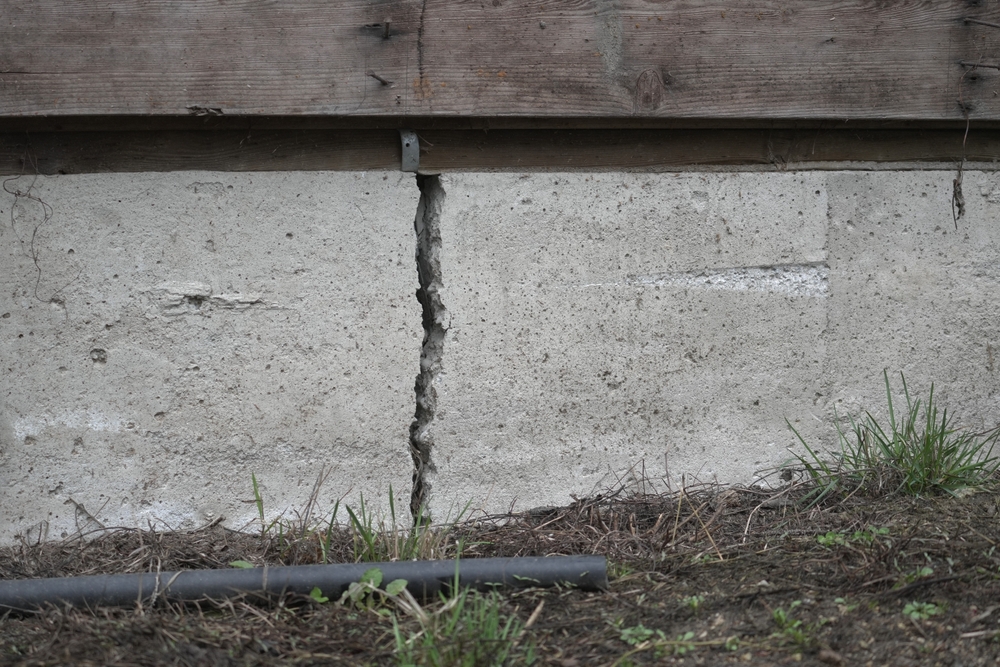
Summer storms can be relentless in New England, and they often expose vulnerabilities in older homes. If you own a property with a stone foundation, now is the time to assess whether repointing foundation cracks has become necessary. One of the most common issues homeowners face is deteriorating mortar foundation conditions that worsen when heavy rains arrive. Understanding the warning signs can help you avoid costly damage and protect your investment before the severe weather season begins.
1. Visible Cracks and Gaps in the Mortar
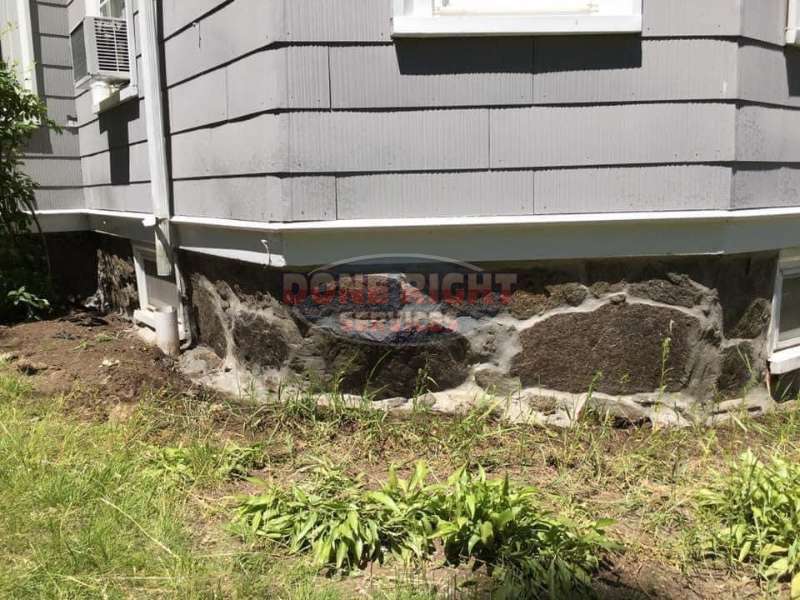
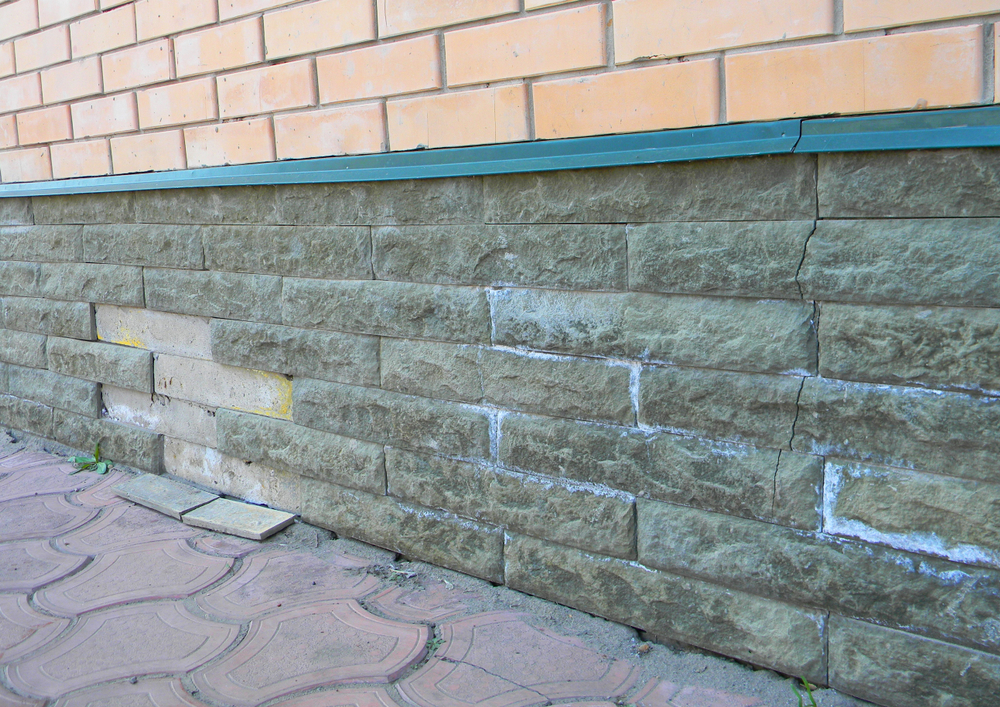
The most obvious indicator that you need stone foundation repair is the presence of visible cracks and gaps between the stones. Mortar deteriorates over time due to exposure to moisture, freeze-thaw cycles, and general weathering. In Massachusetts and NH, these conditions are particularly harsh during winter months, which accelerates the deterioration process.
When inspecting your foundation, look for gaps where the mortar should be binding the stones together. Even small cracks can become significant problems. Water seeps into these openings during heavy rains, and when temperatures drop, that water freezes and expands. This expansion pushes the stones apart, creating larger gaps and weakening the structural integrity of your entire foundation.
If you notice gaps wider than one-quarter inch, you should seriously consider professional stone foundation repair before summer storms hit. The longer you wait, the more expensive the repairs become. Foundation repair before summer storms is not just about aesthetics; it is about preventing water intrusion that could lead to basement flooding or structural compromise.
2. Water Seepage and Dampness in the Basement
Water entering your basement through the foundation is a clear sign that repointing foundation cracks is overdue. During spring and early summer, increased rainfall combined with melting snow creates ideal conditions for water to find its way through deteriorating mortar. In New England, where storms can bring several inches of rain in a single event, this problem becomes critical.
If you notice damp patches on your basement walls or a musty smell, investigate whether water is coming through the foundation. Some homeowners in MA find that their basements stay relatively dry most of the year but become problematic during heavy rain events. This pattern suggests that your mortar has weakened enough to allow water penetration under pressure.
Not only does water damage compromise the foundation itself, but it also creates conditions for mold growth and structural rot in wooden components of your home. The cost of remediation increases dramatically once mold becomes established. Addressing deteriorating mortar foundation conditions now prevents these cascading problems.
3. Mortar Crumbling or Powdering Easily
Run your finger along the mortar lines of your stone foundation. If the mortar crumbles easily or leaves a powder residue on your hand, it indicates that the binding material has lost its structural integrity. This condition is particularly common in older homes throughout NH and Massachusetts where stone foundations were built many decades ago.
Old lime mortar, which was standard in historical construction, breaks down gradually over time. When mortar reaches this crumbling stage, it no longer effectively holds the stones together or prevents water infiltration. This is the point where stone foundation repair becomes urgent rather than preventative.
The powdering effect you notice is the mortar literally disintegrating. Wind and rain accelerate this process, and by summer, the situation may worsen significantly. Before the season brings thunderstorms and heavy downpours, having a professional assess and potentially begin repointing foundation cracks makes sense.
4. Bulging or Bowing Stone Walls
When the mortar fails completely, the hydrostatic pressure from surrounding soil can cause stone walls to bulge or bow outward. This is an advanced stage of foundation failure and should be addressed immediately. If your basement walls show visible outward movement or bowing, do not delay in seeking professional assessment.
Bulging walls indicate that the mortar is no longer holding the stones in proper alignment. Water pressure behind the walls compounds the problem. In severe cases, this can lead to partial or complete foundation failure. MA homeowners with stone foundations in flood-prone areas should be especially vigilant about this issue.
Even minor bowing is concerning. While some stone foundations may shift slightly over a century or more, noticeable bowing suggests active deterioration. Before summer storms arrive with their potential for flooding and sustained water pressure, have a qualified contractor evaluate the extent of the damage and determine whether repointing foundation cracks or more extensive repair is necessary.
5. Pest and Insect Entry Points
Deteriorating mortar creates entry points for insects, rodents, and other pests. If you notice increased pest activity in your basement, especially as spring arrives, check your foundation for gaps and cracks. Stone foundation repair addresses not only structural integrity but also prevents unwanted wildlife from entering your home.
Insects like carpenter ants and termites can cause additional damage beyond what the compromised mortar already allows. These pests can spread to wooden framing and other structural elements, compounding your repair costs. In New England, where pest pressure increases as temperatures warm, this concern becomes more acute heading into summer.
The gaps that allow insects to enter also allow cold air to penetrate in winter and cool conditioned air to escape in summer. Proper repointing foundation cracks improves your home’s energy efficiency while also preventing pest intrusion. This dual benefit makes foundation repair before summer storms not just a structural necessity but also a practical maintenance decision.
Taking Action Now
The season of intense weather is approaching rapidly across New England. Stone foundation repair and repointing foundation cracks are not quick projects, and reputable contractors often have busy schedules heading into summer. If you suspect your foundation needs attention, schedule a professional inspection now rather than waiting until after storm damage occurs.
A qualified contractor can assess the extent of deteriorating mortar foundation conditions and recommend appropriate solutions. Some repairs may require only cosmetic repointing, while others might need more extensive reconstruction. The cost varies significantly based on the extent of damage, the size of the foundation, and the complexity of the work.
Getting ahead of the problem is far more cost-effective than dealing with water damage, mold remediation, or structural repairs after a major storm. Many homeowners in Massachusetts and NH who address stone foundation repair proactively find that they avoid far more expensive problems down the road.
Conclusion
Your stone foundation is critical to your home’s structural integrity and safety. The warning signs discussed here, from visible cracks to water seepage to crumbling mortar, indicate that stone foundation repair is needed before summer storms arrive. Take action now to protect your home and avoid emergency repairs after weather damage occurs.
Need The Best Foundation Crack Repair Specialist Near You?
At Done Right Services, we’ve been the trusted name in masonry since 1998, offering top-notch stone foundation repairs, crack repairs, and basement waterproofing throughout Massachusetts and New Hampshire. Our team of experts is dedicated to restoring your home’s foundation and ensuring your basement stays dry and safe. With our lifetime warranty and 15-year money-back guarantee on all concrete foundation services, you can trust that we’ll handle your needs with precision and care. Don’t let water leaks or foundation issues damage your home—reach out to us and experience the Done Right difference today!
Stone foundations are a hallmark of older homes throughout Massachusetts and New Hampshire, offering character and durability that has stood the test of time. However, these venerable structures face a persistent challenge: water intrusion. Foundation waterproofing cost is a concern for many homeowners in MA and NH, yet the investment in proper waterproofing can save thousands of dollars in costly repairs down the line. Understanding how stone foundation waterproofing works and why it matters is essential for anyone living in these moisture-prone regions.
Stone Foundation Vulnerabilities
Stone foundations, while historically impressive, were built using techniques that differ significantly from modern construction standards. Eighteenth and nineteenth-century builders used lime mortar to bind stones together, creating structures that were functional but not impervious to water infiltration. Over decades and centuries, this mortar deteriorates, especially in Massachusetts and New Hampshire where freeze-thaw cycles are common. Water seeps through gaps and cracks, creating an ideal environment for dampness and mold in basements.
The basement waterproofing challenge in these older homes is compounded by soil conditions and the region’s climate. Massachusetts experiences significant precipitation throughout the year, while New Hampshire’s alpine regions bring heavy snowfall and rapid spring runoff. When snow melts or heavy rains occur, water naturally seeks the path of least resistance, and deteriorating stone foundations provide an open invitation. Foundation water damage foundation repair becomes necessary when homeowners ignore these early warning signs.
Many homeowners in Massachusetts discover water pooling in corners, efflorescence on walls, or musty odors that indicate moisture problems. These initial signs should trigger action to prevent foundation damage before structural issues develop. The cost to prevent foundation damage through early waterproofing intervention is substantially less than addressing major structural repairs later.
The Real Costs of Ignoring Foundation Waterproofing
The foundation waterproofing cost that homeowners pay upfront is minimal compared to the expenses they face when water damage compounds. In Massachusetts and New Hampshire, foundation repair costs can range from several thousand to tens of thousands of dollars when water damage becomes severe. A basement waterproofing project might cost three to eight thousand dollars initially, depending on the extent of the problem and chosen solutions.
Compare that to the cost of structural repairs needed when water damage goes unchecked for years. Damaged foundation walls, compromised support beams, and extensive mold remediation can easily exceed fifty thousand dollars or more. Water damage foundation repair costs escalate quickly when the problem spreads beyond the foundation itself, affecting insulation, framing, and electrical systems.
Additionally, untreated water intrusion reduces home value significantly. Potential buyers in Massachusetts and New Hampshire conduct thorough inspections and immediately identify moisture problems. A home with known foundation water damage becomes harder to sell and commands a lower price. The foundation waterproofing cost becomes an investment that protects your home’s resale value while improving livability.
Waterproofing Solutions for Massachusetts Stone Foundations
Modern waterproofing solutions address the unique challenges posed by stone foundations in MA. Interior sealants can be applied to foundation walls, creating a barrier against moisture migration. These products work by bonding to the stone and mortar, filling microscopic gaps where water penetrates. This approach is less invasive and costs less than exterior excavation, making it popular for homeowners with limited budgets.
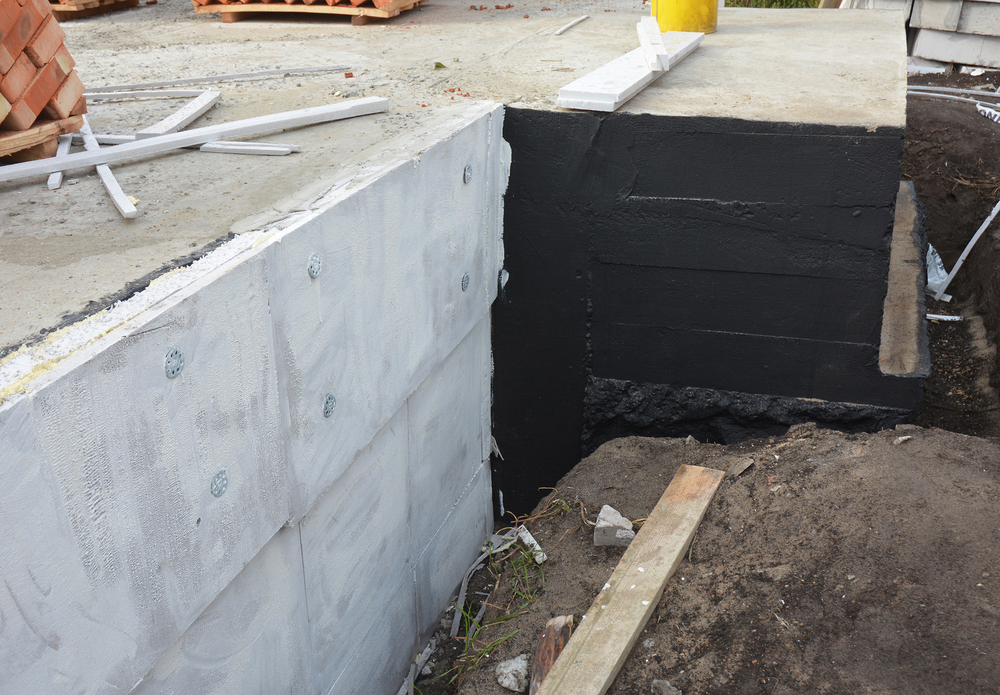
Exterior waterproofing involves excavating around the foundation to access the outer walls. Specialized coatings are applied to the stone surface, and a drainage system is installed to direct water away from the foundation. In Massachusetts, where ground water levels can be high, this solution proves highly effective. Though more expensive than interior methods, exterior waterproofing provides superior long-term protection.
For New Hampshire stone foundations, combination approaches often work best. Installing interior sump pumps and perimeter drain systems captures water before it saturates the foundation. These systems work alongside applied sealants to create comprehensive protection. The foundation waterproofing cost for a complete system in NH typically falls between five and twelve thousand dollars, depending on basement size and severity of existing moisture.
Regional Considerations for Massachusetts and New Hampshire
Massachusetts presents specific challenges for stone foundation waterproofing due to its dense development patterns and proximity to water bodies. Coastal properties and those near rivers experience heightened water table issues. Boston and its surrounding areas have glacial soils that retain moisture, making basement waterproofing essential. The climate also brings extended wet seasons, increasing hydrostatic pressure against foundation walls.
New Hampshire’s mountainous terrain means many homes sit on slopes where water naturally flows toward foundations. The state’s freeze-thaw cycles are particularly damaging to stone mortar, creating new pathways for water intrusion each winter. NH homeowners should prioritize waterproofing to prevent foundation damage before winter arrives, as frozen ground and reduced drainage capacity worsen moisture problems.
Both Massachusetts and New Hampshire experience acid rain, which degrades lime mortar faster than in other regions. Homeowners should consider this when evaluating their foundation’s condition. A professional inspection can reveal whether repointing deteriorated mortar should accompany waterproofing efforts. Combined MA and NH solutions that address both water exclusion and mortar repair provide the best outcomes.
Long-Term Benefits of Professional Waterproofing
Investing in professional basement waterproofing through licensed contractors in Massachusetts and New Hampshire offers numerous long-term advantages. Properly installed systems can last twenty to thirty years with minimal maintenance. Many contractors offer warranties covering their work, providing peace of mind that your investment is protected.
Waterproofing also improves indoor air quality by reducing mold and mildew growth. Families in MA and NH notice decreased respiratory issues and allergies when basement moisture is controlled. Finished basements become usable living space rather than perpetually damp storage areas. The foundation waterproofing cost becomes even more justified when you consider the increased square footage and functionality added to your home.
Energy efficiency improvements accompany proper waterproofing. When foundation walls remain dry, insulation performs as designed, reducing heating and cooling costs. In Massachusetts winters and New Hampshire’s cold climate, this translates to meaningful energy savings that continue year after year.
Conclusion
Stone foundation waterproofing represents a crucial investment for Massachusetts and New Hampshire homeowners. The foundation waterproofing cost, while significant, pales in comparison to the expenses of ignoring water intrusion. By addressing moisture problems promptly, homeowners protect their properties from foundation damage, preserve structural integrity, and maintain home values. Professional waterproofing solutions tailored to regional climate challenges ensure that historic stone foundations continue protecting homes for generations to come.
Need The Best Foundation Crack Repair Specialist Near You?
At Done Right Services, we’ve been the trusted name in masonry since 1998, offering top-notch stone foundation repairs, crack repairs, and basement waterproofing throughout Massachusetts and New Hampshire. Our team of experts is dedicated to restoring your home’s foundation and ensuring your basement stays dry and safe. With our lifetime warranty and 15-year money-back guarantee on all concrete foundation services, you can trust that we’ll handle your needs with precision and care. Don’t let water leaks or foundation issues damage your home—reach out to us and experience the Done Right difference today!
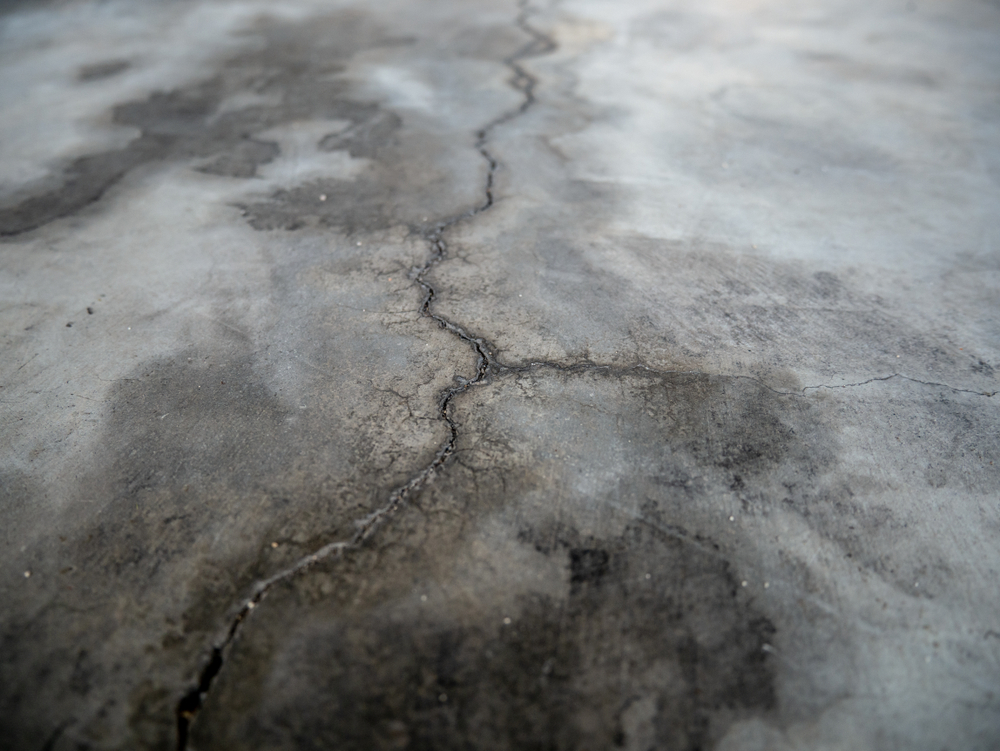
It usually starts with a thin line across the garage floor. Maybe you notice it while pulling in after work, or while sweeping the basement. At first, it seems harmless. Concrete cracks, right? But over time, that line looks a little wider. Maybe it runs longer than you thought. Maybe water seeps through after heavy rain. Suddenly, what felt cosmetic begins to raise questions.
For suburban homeowners in Massachusetts, especially those in newer developments throughout Burlington, Chelmsford, and surrounding communities, concrete floor cracks in Massachusetts are a common concern. Slab settlement, shrinkage during curing, and seasonal movement all play a role. The real question is not whether a crack exists. It is whether that crack signals a structural issue or simply normal concrete behavior. Understanding the difference between structural vs. non structural foundation cracks can help you decide when to monitor and when to take action.
Why Concrete Slabs Crack in the First Place
Concrete is strong, but it is not immune to stress. In fact, cracking is a natural part of the curing process. As concrete dries and hardens, it shrinks slightly. This shrinkage often results in hairline cracks, especially in large slab pours like garage floors and basement slabs.
In newer developments, slabs are typically poured over compacted fill. If that soil was not uniformly compacted or if it shifts over time, the slab above can settle unevenly. Even minor settlement may cause visible cracking. Seasonal freeze-thaw cycles in Massachusetts also contribute to movement beneath slabs, particularly if moisture accumulates in the soil below.
Temperature fluctuations inside garages can add stress as well. Cold winters followed by humid summers cause expansion and contraction. Over time, these cycles create tension within the concrete, leading to surface cracks. Most of these cracks fall into the category of non structural foundation cracks. However, not all slab cracks should be dismissed as harmless.
Cosmetic Cracks vs. Structural Concerns
The key distinction between structural vs. non structural foundation cracks lies in how the slab is behaving. Cosmetic cracks are typically narrow, relatively straight, and do not involve vertical displacement. If both sides of the crack remain level and there is no noticeable heaving or sinking, the issue is often related to shrinkage or minor settlement.
Structural concerns arise when cracks widen significantly, form patterns that suggest ongoing movement, or show vertical separation between sections of the slab. If one side of the crack sits higher than the other, that may indicate shifting soil or inadequate support beneath the slab. In garages, this can create trip hazards and signal underlying instability.
Basement slabs present additional considerations. While they typically do not support the structure in the same way foundation walls do, severe settlement beneath the slab can point to drainage or soil issues that affect the entire foundation system. That is why basement slab crack repair in Chelmsford, MA, should begin with a professional assessment rather than a quick surface patch.
Foundation Crack Repair specializes in evaluating slab cracks to determine whether they are isolated surface issues or part of a larger structural pattern. Their slab crack assessment process goes beyond visual inspection, examining crack width, length, depth, and surrounding conditions before recommending a solution.
The Role of Cold Joints and Water Intrusion
Not all cracks form randomly. Some occur at cold joints, which are the seams where two separate concrete pours meet. In garages and basements, cold joints are common and often represent a natural weak point. While not inherently structural problems, these joints can allow water infiltration if not properly sealed.
Cold joint waterproofing expertise is especially important in Massachusetts, where heavy rainfall and snowmelt increase hydrostatic pressure around foundations. Water entering through slab cracks or joints can lead to damp basements, mold growth, and long-term deterioration of adjacent materials.
In garages, moisture intrusion through slab cracks can cause surface spalling or deterioration over time. Salt from winter road treatments tracked in by vehicles may further accelerate concrete breakdown. Addressing cold joints and crack seams with permanent interior sealing methods helps prevent recurring moisture issues.
Foundation Crack Repair understands how cold joints behave differently from random shrinkage cracks. Their approach targets the source of infiltration rather than masking symptoms with temporary coatings.
Why Temporary Patching Often Fails
Many homeowners attempt quick fixes when they notice garage or basement slab cracks. Hardware store patch kits and surface sealants promise easy repairs. While these products may improve appearance temporarily, they rarely address the underlying cause of the crack.
Surface patches adhere to the top layer of concrete but do not bond the slab internally. If soil movement continues or seasonal expansion persists, the crack often reopens. In areas prone to freeze-thaw cycles, water can seep beneath surface patches, freeze, and widen the crack further.
Permanent interior sealing methods differ significantly from temporary patching. Instead of simply covering the crack, professional repair techniques inject specialized materials that penetrate the full depth of the crack. These materials create a durable bond within the slab, restoring integrity and forming a long-lasting moisture barrier.
For homeowners seeking garage floor crack repair in Burlington, MA, choosing a permanent solution prevents repeat repairs and ongoing frustration. A thorough evaluation ensures that the selected method matches the severity and nature of the crack.
The Slab Crack Assessment Process
Determining whether a crack requires structural intervention begins with a detailed assessment. Foundation Crack Repair follows a methodical process when evaluating concrete floor cracks in Massachusetts homes.
First, technicians examine the crack pattern and measure its width and length. Hairline shrinkage cracks often remain stable over time, while structural cracks may show signs of progressive widening. Next, they check for vertical displacement or uneven slab sections, which may indicate settlement beneath the surface.
Moisture presence is another critical factor. If water seeps through during heavy rain or snowmelt, addressing infiltration becomes a priority even if the crack is not structurally significant. The team also evaluates nearby foundation walls and support structures to ensure that slab movement is not connected to broader foundation shifts.
Once the crack type is identified, a tailored repair plan is developed. For non structural foundation cracks that primarily pose moisture risks, permanent interior sealing methods can restore integrity and prevent further intrusion. For more significant settlement-related cracks, additional stabilization measures may be discussed.
When to Take Action
It can be tempting to ignore small cracks, especially in newer homes where minor settlement is expected. However, monitoring is essential. If a crack widens noticeably over a single season, shows vertical displacement, or begins allowing water intrusion, it is time to seek professional guidance.
Basement slab crack repair in Chelmsford, MA, and garage floor crack repair in Burlington, MA, both benefit from early intervention. Addressing issues promptly prevents moisture damage, surface deterioration, and potential safety hazards. It also provides clarity. Knowing whether a crack is structural or cosmetic eliminates uncertainty and allows homeowners to plan confidently.
Concrete floor cracks in Massachusetts are common, but not all cracks carry the same implications. The difference between structural vs. non structural foundation cracks lies in careful evaluation and appropriate repair methods. By choosing a team with cold joint waterproofing expertise and a commitment to permanent solutions rather than temporary patching, homeowners protect both their investment and peace of mind.
In the end, a crack in your garage or basement slab does not automatically signal a major structural issue. But it does deserve attention. With a professional slab crack assessment process and proven interior sealing techniques, you can address concerns before they escalate and ensure your home remains stable and dry for years to come.
If you own an older home in Massachusetts, you already know winter does not leave quietly. Snow piles up, temperatures swing from below freezing to mild afternoons, and by early spring, you start noticing small changes around your home. Maybe a hairline crack in the basement wall looks wider than it did in the fall. Maybe you spot dampness along a foundation seam after the snow melts. These are not random occurrences. They are often the result of freeze-thaw cycles doing what they have done to New England homes for generations.
For homeowners between 35 and 70 living in older properties throughout Amesbury, Georgetown, and surrounding communities, understanding freeze thaw foundation damage in Massachusetts is essential. Seasonal shifts are part of life here, but foundation cracks do not have to become permanent problems. With the right diagnosis and repair strategy, you can protect your home from long-term structural issues and recurring water intrusion.
How Freeze-Thaw Cycles Impact New England Foundations
New England weather is uniquely demanding on foundations. During winter, moisture seeps into small pores and hairline cracks in concrete. When temperatures drop below freezing, that trapped water expands. As it freezes, it exerts pressure against the surrounding material. When temperatures rise again, the ice melts, and the cycle repeats.
Over the course of several months, this repeated expansion and contraction creates stress within foundation walls. Even well-built homes in Amesbury and Georgetown are vulnerable to seasonal foundation movement in New England. The soil surrounding the foundation also plays a role. Wet soil expands when frozen and contracts when thawed, pushing and pulling against basement walls.
Older properties are especially susceptible because materials may already show signs of aging. Mortar joints weaken over time, and concrete naturally develops small fissures as it cures and settles. Freeze-thaw cycles simply exploit these existing vulnerabilities. That is why many homeowners first notice basement wall cracks in Georgetown, MA or nearby areas shortly after winter ends.
What Types of Foundation Cracks Should You Expect
Not all foundation cracks are created equal. Some are cosmetic and pose little structural risk. Others signal more significant movement or stress. Knowing what to expect helps you respond appropriately.
Hairline vertical cracks are common in poured concrete foundations. These often result from normal settling and shrinkage during the curing process. While they may widen slightly during winter due to freeze-thaw expansion, they are not always structurally dangerous. However, they can still allow water to enter if left untreated.
Horizontal cracks are more concerning. They may indicate pressure from expanding soil against the exterior wall. In regions with pronounced seasonal foundation movement in New England, repeated freeze-thaw cycles can intensify that lateral pressure. Stair-step cracks in block foundations also deserve attention, as they may suggest uneven settlement or shifting soil conditions.
The key difference lies in whether the crack is structural or non-structural. Structural cracks often involve displacement, bowing, or noticeable shifting of the wall. Non-structural cracks may simply reflect surface-level expansion without compromising overall stability. Accurate diagnosis is critical, which is why professional evaluation is so important before pursuing foundation crack repair in Amesbury, MA.
Why Seasonal Expansion Often Leads to Water Seepage
Even small cracks can allow water intrusion. As snow melts in late winter and early spring, groundwater levels rise. Saturated soil increases hydrostatic pressure against foundation walls. If cracks widened during winter, they create an easy path for moisture to enter the basement.
Homeowners frequently report damp spots, minor puddling, or efflorescence along basement walls after thaw periods. Basement wall cracks in Georgetown, MA and surrounding towns often become visible during these wetter months because moisture highlights them.
Repeated freeze thaw foundation damage in Massachusetts can gradually enlarge small openings, making seasonal water seepage more frequent and more severe. While it may begin as a minor nuisance, over time it can lead to mold growth, damaged finishes, and reduced indoor air quality. Addressing cracks promptly not only protects structural integrity but also prevents ongoing moisture issues.
Diagnosing Structural vs. Non-Structural Cracks
One of the most important steps in protecting your home is understanding whether a crack is purely cosmetic or structurally significant. This distinction determines the appropriate repair method and long-term strategy.
Foundation Crack Repair specializes in diagnosing structural vs. non-structural cracks with precision. Rather than applying a one-size-fits-all solution, experienced technicians assess crack patterns, wall alignment, and surrounding soil conditions. They look for signs of bowing, offset edges, and repeated seasonal widening that may indicate deeper movement.
Non-structural cracks are often ideal candidates for interior crack injection systems. These advanced repair methods involve injecting specialized materials into the crack from inside the basement, creating a watertight seal that bonds the concrete back together. Interior injection avoids extensive exterior excavation and provides an effective barrier against water intrusion.
Structural cracks, on the other hand, may require additional stabilization measures depending on severity. The goal is always long-term performance, especially in climates where seasonal foundation movement in New England is a recurring reality. By identifying the root cause rather than just sealing the surface, homeowners gain confidence that repairs will withstand future winters.
Long-Term Solutions Designed for Freeze-Thaw Environments
Because Massachusetts experiences annual freeze-thaw cycles, repairs must be built to endure those conditions. Quick patches or temporary sealants rarely provide lasting protection. Long-term waterproofing solutions are essential.
Foundation Crack Repair focuses on interior crack injection systems specifically designed for freeze-thaw environments. These systems remain flexible enough to accommodate minor seasonal movement while maintaining a watertight seal. This flexibility is critical in areas where temperature swings are common.
In addition to crack injection, comprehensive waterproofing strategies may include addressing drainage concerns around the foundation. Redirecting water away from the home reduces hydrostatic pressure and minimizes stress on basement walls. Combining crack repair with moisture management creates a more resilient foundation overall.
For homeowners considering foundation crack repair in Amesbury, MA, working with a team that understands regional climate patterns makes a meaningful difference. Local expertise ensures that repair materials and techniques are selected with New England’s demanding weather in mind.
What Homeowners Should Do This Spring
As winter gives way to spring, take time to inspect your basement carefully. Look for new cracks, widening seams, or signs of dampness. Pay attention to areas where water may have entered during snow melt. Document changes so you can compare them year to year.
If you notice seasonal crack expansion or water seepage, do not assume it will resolve on its own. Freeze thaw foundation damage in Massachusetts tends to progress gradually. What begins as a hairline crack can widen over several seasons if left untreated.
Consulting professionals who specialize in diagnosing and repairing foundation cracks ensures that you receive an accurate assessment. Foundation Crack Repair provides expert evaluation and tailored solutions, from interior injection systems to long-term waterproofing approaches. Their experience with basement wall cracks in Georgetown, MA, and surrounding communities allows them to anticipate the specific challenges posed by seasonal foundation movement in New England.
Owning an older home in Massachusetts means embracing history and character, but it also means staying proactive about maintenance. Freeze-thaw cycles are part of life here, yet foundation cracks do not have to define your home’s future. With informed expectations, early diagnosis, and repair systems designed for our climate, you can protect your foundation from recurring seasonal damage and enjoy greater peace of mind year after year.
If you own a home in Boston, MA, there is a good chance you have peered into your basement at some point and noticed something unsettling: cracks running along your foundation walls. You are not alone. Foundation crack repair is one of the most common services requested by homeowners across the city, and for good reason. Boston’s geology, climate, and housing stock create a perfect storm of conditions that make foundation problems nearly inevitable over time. The good news is that understanding why these cracks happen is the first step toward getting them fixed correctly.
The Unique Geology and Climate Behind Boston’s Foundation Problems
Boston sits on a complicated mix of bedrock, clay, fill, and made land, much of it deposited or engineered over centuries of urban development. Many neighborhoods, including the Back Bay and the South End, were literally built on filled marshland and tidal flats. This means the soil beneath countless Boston homes is inherently unstable and prone to shifting, settling, and compressing unevenly under the weight of a structure.
Add to this the brutal New England freeze-thaw cycle, and you have a recipe for persistent foundation stress. Every winter, moisture in the soil surrounding your basement foundation freezes and expands, pushing against foundation walls with tremendous force. When spring arrives, that pressure releases, only to return again the following season. Over years and decades, this repeated cycle causes basement foundation cracks in Boston homes that range from minor cosmetic fissures to serious structural fractures.
Hydrostatic pressure is another major culprit. Boston receives significant annual rainfall, and when that water saturates the soil around your foundation, it presses inward with constant force. Without proper drainage, that pressure has nowhere to go except into your walls, gradually widening existing cracks and creating new ones.
Why Historic Homes Face Especially Serious Foundation Challenges
Boston is one of the oldest cities in the United States, and a significant portion of its housing stock dates back to the 18th, 19th, and early 20th centuries. Historic home foundation repair in Boston is a specialized field precisely because older structures were built using materials and methods that behave very differently from modern construction.
Many Victorian-era triple-deckers, brownstones, and colonial homes in neighborhoods like Dorchester, Jamaica Plain, Roxbury, and Charlestown were built on rubble stone or brick foundations. Stone foundation crack repair in Boston requires a fundamentally different approach than repairing poured concrete, because the mortar holding individual stones together deteriorates over time, becomes water-permeable, and eventually fails entirely. When the mortar joints between stones crumble, the structural integrity of the entire wall can be compromised.
Beyond the materials themselves, these older foundations were never designed to handle modern loads. Many historic Boston homes have been converted into multi-family dwellings, had additions built onto them, or had their interiors renovated in ways that changed how weight is distributed. A foundation that held up a single-family home in 1890 may struggle under the demands of a renovated three-unit building in the 21st century. This is why a qualified contractor who specializes in historic home foundation repair in Boston is so important; they understand not just the crack itself, but the broader context of how the building has evolved over time.
How to Tell a Cosmetic Crack from a Structural One
Not every crack you see in your basement foundation is cause for alarm, but learning to distinguish between cosmetic and structural issues can save you both money and stress. Foundation crack repair in Boston, MA starts with an accurate diagnosis, and that requires knowing what you are looking at.
Hairline cracks that run vertically and are less than 1/16 of an inch wide are often the result of normal concrete curing or minor settling. They may be unsightly, but they rarely indicate a serious problem. Horizontal cracks, on the other hand, are among the most concerning types you can find in basement foundation cracks in Boston homes. A horizontal crack running across a block or poured concrete wall typically signals lateral pressure from the surrounding soil, which means the wall itself may be bowing inward. This is a structural issue that requires prompt attention.
Diagonal cracks that run at roughly 45-degree angles often point to differential settling, meaning one part of your foundation is sinking faster than another. Stair-step cracks in brick or stone foundations follow the mortar joints and are also associated with settling or frost heave. Any crack that is wider at one end than the other, or that appears to be actively growing, should be evaluated by a professional as soon as possible.
Water intrusion is another important signal. If you see efflorescence (the white, chalky mineral deposits left behind when water evaporates through concrete) or if water is actively seeping through a crack after rain, that crack has become a pathway for moisture, regardless of whether it is structurally significant.
What Proper Foundation Crack Repair Actually Looks Like in Boston
The repair method depends entirely on the type of crack, the foundation material, and the underlying cause. One of the most important things homeowners should understand is that sealing a crack from the interior with hydraulic cement or epoxy is rarely a complete solution on its own. Proper foundation crack repair in Boston, MA addresses both the symptom and the cause.
For poured concrete foundations with non-structural vertical cracks, polyurethane foam injection is often the preferred method. The foam expands to fill the crack completely, creating a flexible, waterproof seal that moves slightly with the foundation rather than cracking under pressure. Epoxy injection is better suited for structural cracks where you need to restore tensile strength to the concrete itself, as cured epoxy is actually stronger than the surrounding concrete.
Stone foundation crack repair in Boston typically involves repointing the mortar joints throughout the affected area, not just patching individual cracks. Repointing means carefully removing deteriorated mortar to a sufficient depth and replacing it with a new mortar mix that is appropriate for the age and composition of the stone. Using the wrong mortar mix in a historic stone foundation can actually accelerate damage, which is why working with an experienced contractor matters so much.
For horizontal cracks or bowing walls, carbon fiber straps or steel I-beam reinforcements are often installed to stabilize the wall and prevent further movement. In severe cases, wall anchors may be driven into the surrounding soil to counteract lateral pressure. These repairs are more invasive and expensive, but they are the only reliable solution when the structural integrity of the wall is at stake.
Exterior waterproofing, improved drainage, and the installation of a sump pump system are frequently recommended alongside crack repair to address the underlying causes of water infiltration and soil pressure. A crack that is repaired without addressing drainage issues will likely return.
How to Choose the Right Contractor for the Job
Selecting a contractor for basement foundation cracks in Boston homes is a decision that deserves careful thought. Look for a company with specific experience in the Boston area, because local knowledge of soil conditions, frost depths, and the particular challenges of historic New England construction is genuinely valuable. Ask to see examples of similar projects, and do not hesitate to request references from past customers.
Any reputable contractor should begin with a thorough inspection before recommending a repair method. Be cautious of anyone who offers a quick quote without examining your foundation in person, or who recommends the same solution for every crack regardless of type or cause.
Conclusion
Boston homes are built on complicated ground, shaped by centuries of history, challenging soils, and a relentless climate. Foundation cracks are a predictable consequence of those conditions, but they are not a death sentence for your home. Whether you are dealing with a new hairline crack in a poured concrete wall or crumbling mortar in a 19th-century stone foundation, the right repair approach exists. Foundation crack repair in Boston, MA is most effective when it is tailored to the specific material, the type of crack, and the forces driving it. Getting that diagnosis right, and choosing a contractor who understands the full picture, is what separates a lasting repair from a temporary patch.
Need The Best Foundation Crack Repair Specialist Near You?
At Done Right Services, we’ve been the trusted name in masonry since 1998, offering top-notch stone foundation repairs, crack repairs, and basement waterproofing throughout Massachusetts and New Hampshire. Our team of experts is dedicated to restoring your home’s foundation and ensuring your basement stays dry and safe. With our lifetime warranty and 15-year money-back guarantee on all concrete foundation services, you can trust that we’ll handle your needs with precision and care. Don’t let water leaks or foundation issues damage your home—reach out to us and experience the Done Right difference today!