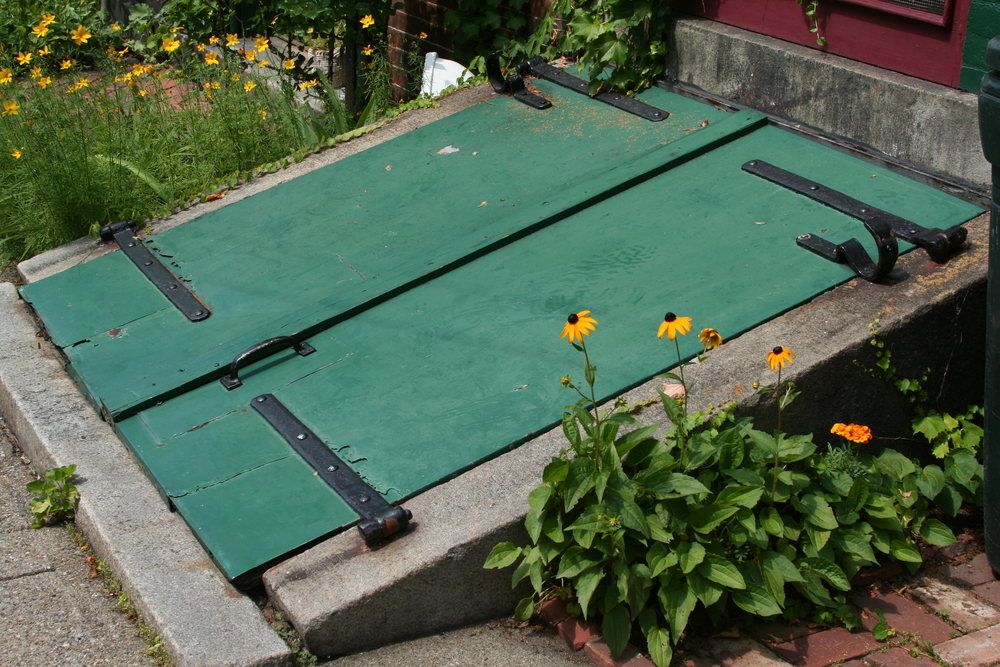
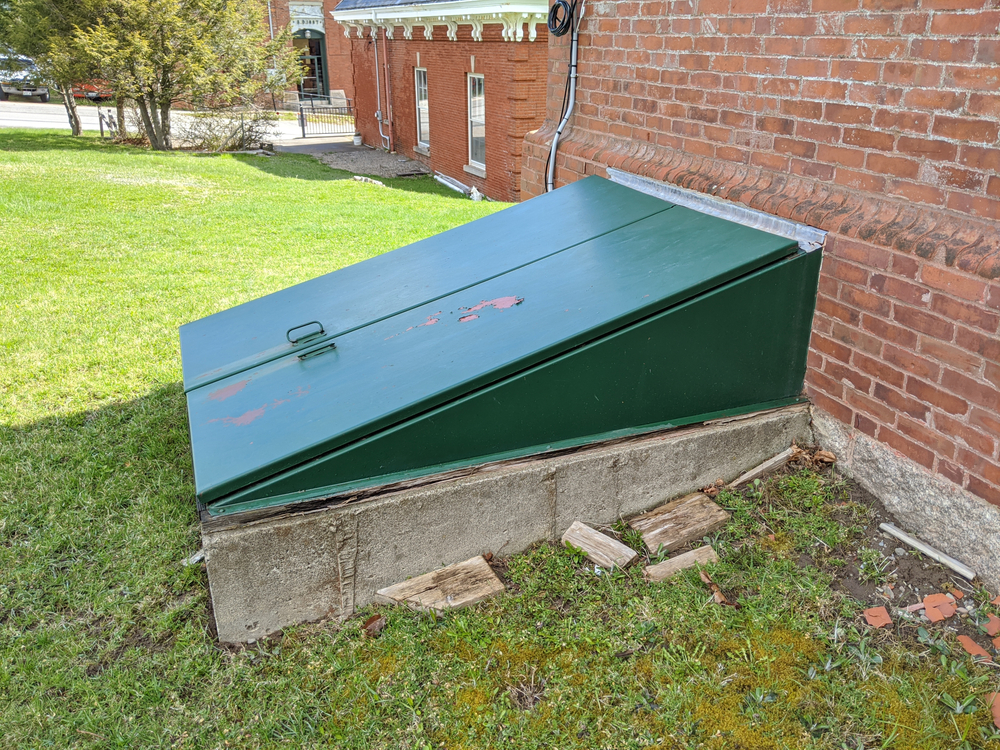
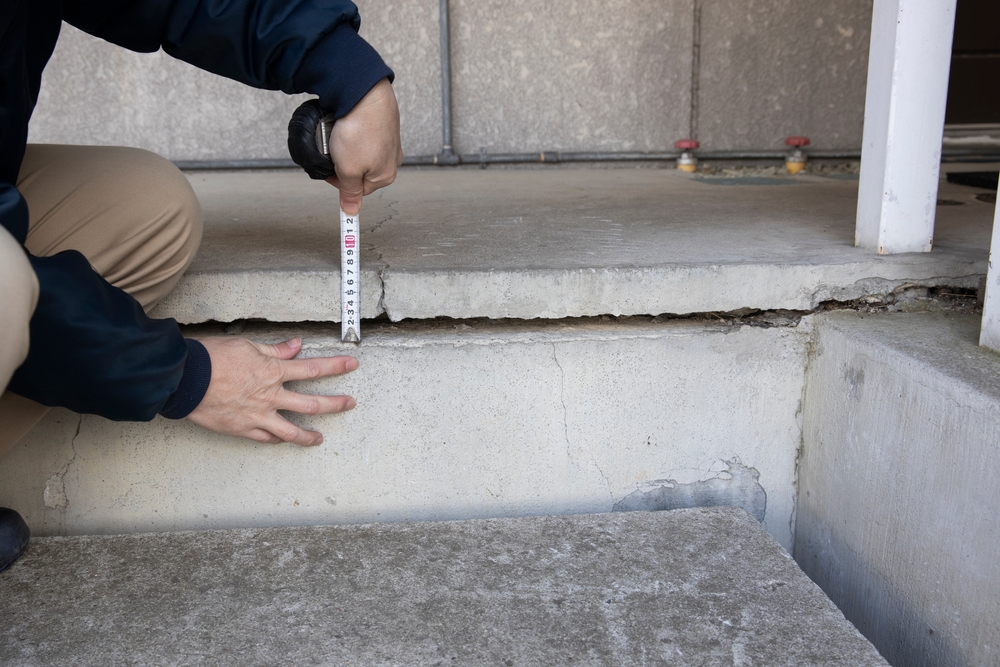
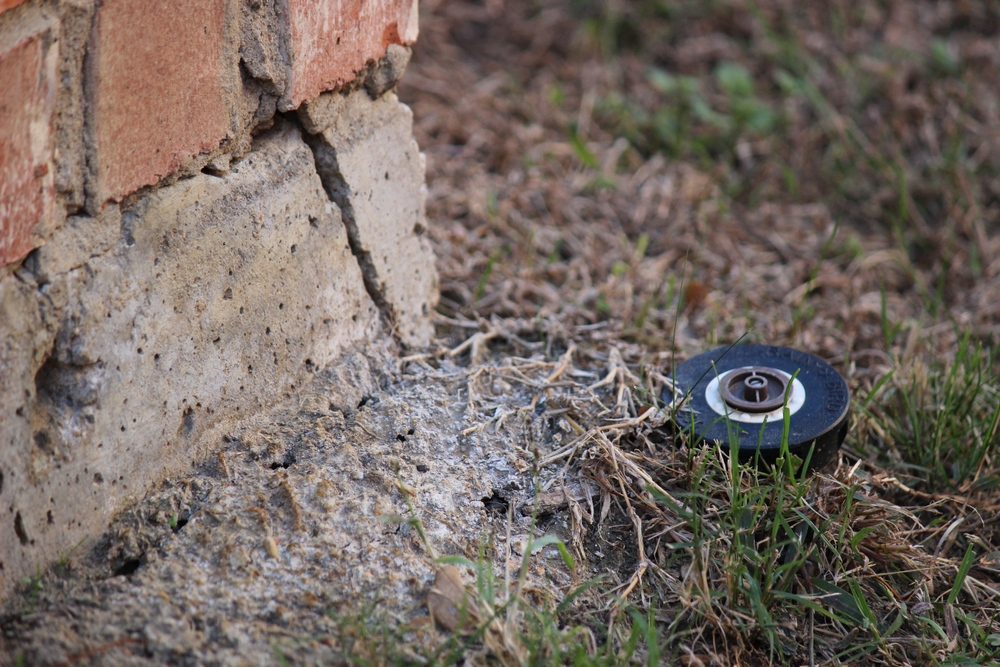
Historic homes in Arlington, MA, are treasures of American architecture and culture. From charming Colonials and stately Victorians to sturdy early-20th-century brick homes, these properties reflect the town’s rich heritage. Yet, beneath their classic beauty lies a vulnerability shared by many older homes: water intrusion. Bulkheads—those angled basement doorways often found in New England homes—are a particular point of concern. Preserving the unique character of a historic home requires a proactive and sensitive approach to waterproofing, especially when modern solutions must coexist with original materials. In this guide, we’ll explore the importance of historic home waterproofing in Arlington, MA, with a focus on bulkheads and the surrounding foundation areas.
The Challenges of Historic Home Waterproofing in Arlington, MA
Waterproofing any home comes with challenges, but historic homes in Arlington present unique difficulties due to their age, materials, and construction techniques. Many of these homes were built before modern waterproofing standards were established. Foundations may be made of stone, brick, or early forms of concrete, and in many cases, mortar has deteriorated or become porous over time.
Arlington’s location and weather patterns add to the concern. Heavy seasonal rains, snowmelt, and freeze-thaw cycles common in Massachusetts can place stress on foundations and bulkheads. Groundwater can rise during the spring, leading to seepage through cracks or poorly sealed joints. Drainage systems designed a century ago are often inadequate for today’s climate extremes. For homes with below-grade entrances or bulkheads, the risk is particularly high, as these features can become collection points for water if not properly maintained.
Beyond physical wear, local regulations and historic preservation guidelines must be taken into account when planning repairs or upgrades. Owners of historic properties often need to strike a balance between preserving aesthetic integrity and protecting the structure from water damage. Fortunately, with careful planning and appropriate materials, it’s possible to achieve both goals.
Diagnosing Trouble Spots: Bulkheads, Foundations, and Basement Walls
A successful waterproofing strategy begins with a detailed assessment of where water may be entering the home. Bulkheads are often the most visible and problematic entry point, especially if they’re original or decades old. In many Arlington homes, the bulkhead is made from wood or thin metal and sits atop stone or concrete steps leading to a basement. Gaps between the bulkhead and the house, rusted hinges, corroded seams, or cracked concrete aprons can all contribute to water infiltration.
Next, attention should be paid to the foundation walls themselves. Stone foundations, common in 18th and 19th-century homes, tend to allow water to seep through if the mortar has degraded or the stones have shifted. Even concrete block foundations, which gained popularity in the early 20th century, can become compromised with age, allowing moisture to slowly weep into the basement interior. Basement walls showing signs of efflorescence—white, powdery deposits—often indicate ongoing water penetration.
The ground grading around the home also plays a role. Soil that slopes toward the house rather than away from it can funnel rainwater directly to the foundation. In some Arlington properties, decorative landscaping or hardscaping may unintentionally trap water against the structure. Downspouts that empty too close to the house, or gutters clogged with leaves and debris, add to the cumulative stress on these vulnerable systems.
Smart Solutions for Waterproofing Without Losing Character
When waterproofing historic homes, the goal is not just functionality but also sensitivity to the home’s design and materials. Modern sealants, coatings, and membranes must be used judiciously to avoid damaging original brickwork or stone. One of the best starting points is repointing—replacing old, crumbling mortar with new mortar that closely matches the original in both appearance and composition. This prevents water from traveling through loose joints and maintains the historical authenticity of the facade.
For bulkheads, consider replacing worn units with custom-made replicas that use modern waterproofing techniques beneath traditional appearances. A new steel or fiberglass bulkhead can be crafted to look like an original wood version, especially when painted in heritage colors. Beneath the surface, waterproof membranes and sealants can be applied at connection points between the bulkhead and the foundation wall, where leaks are most likely to form. A properly installed rubber or polyurethane gasket can provide an invisible but effective barrier against moisture.
In the basement, interior waterproofing methods such as vapor barriers and sump pumps may be necessary if exterior excavation is too disruptive or restricted by preservation rules. While sump pumps are a modern addition, they can be hidden or disguised within utility spaces to minimize visual impact. Installing a French drain system inside the perimeter of the basement can intercept water before it spreads across the floor.
Exterior waterproofing should include grading improvements, extended downspouts, and—where feasible—trench drains along the bulkhead base. However, any earthwork should be done with caution to avoid disturbing historic plantings or foundation stones. Modern flexible drainage pipes can be buried and routed to distant dry wells or municipal stormwater systems, keeping the home’s immediate perimeter dry without visible alteration.
The Importance of Routine Maintenance and Monitoring
Even the best waterproofing system won’t last forever without regular care. For historic homes in Arlington, establishing a routine inspection and maintenance schedule is critical. Homeowners should inspect their bulkheads at least twice a year, especially before and after winter, to check for signs of wear, corrosion, or detachment. Hinges, latches, and seals need to be functional and tightly secured. Any paint or finish on the bulkhead should be refreshed as needed to prevent rust or rot.
Foundations and basement interiors should also be monitored for new cracks, water stains, or musty odors. A dehumidifier can help control indoor moisture and prevent mold, but it is not a substitute for proper sealing. Exterior features like gutters and downspouts must be cleaned regularly to ensure water is being carried away from the house efficiently. Consider adding splash blocks or downspout extenders to further minimize splash-back against the foundation.
For homes enrolled in historic preservation programs or districts, any waterproofing upgrades or repairs should be documented. Working with a preservation contractor familiar with Arlington’s local ordinances can streamline the permitting process and ensure that any alterations meet approval standards. Keeping detailed records of waterproofing work not only helps with future repairs but may also increase the home’s value by demonstrating responsible care.
A Long-Term Investment in Beauty and Structural Health
Waterproofing a historic home in Arlington, MA, is more than a home improvement project—it’s a long-term investment in the life and legacy of the property. Bulkheads, often overlooked, are among the most critical components to inspect and maintain. When carefully repaired or replaced with appropriate materials and techniques, they can continue to serve their function without compromising the home’s original character.
Modern waterproofing technologies have made it easier than ever to protect older homes from moisture without sacrificing historical aesthetics. Whether you’re dealing with a grand Victorian or a cozy Colonial, every detail matters—from the mortar in your foundation walls to the slope of the earth around your bulkhead.
By staying proactive and informed, Arlington homeowners can preserve not only the beauty of their properties but also their structural integrity. Historic home waterproofing may involve added complexity, but with the right approach, it pays dividends in comfort, peace of mind, and pride in stewardship. As the seasons shift and New England weather continues to challenge our homes, thoughtful waterproofing ensures that these architectural gems endure for generations to come.
Need The Best Foundation Crack Repair Specialist Near You?
At Done Right Services, we’ve been the trusted name in masonry since 1998, offering top-notch stone foundation repairs, crack repairs, and basement waterproofing throughout Massachusetts and New Hampshire. Our team of experts is dedicated to restoring your home’s foundation and ensuring your basement stays dry and safe. With our lifetime warranty and 15-year money-back guarantee on all concrete foundation services, you can trust that we’ll handle your needs with precision and care. Don’t let water leaks or foundation issues damage your home—reach out to us and experience the Done Right difference today!
In Arlington, MA, the beauty of the changing seasons comes with a less charming side effect—heavy rainfall and persistent wet weather that challenge homeowners year-round. For many, the effects of this precipitation aren’t just inconvenient; they’re costly and damaging. Water seepage, basement flooding, foundation weakening, and property devaluation are all serious concerns triggered by inadequate drainage. Fortunately, there is an effective and increasingly popular remedy: bulkhead drainage solutions. These systems are tailored to handle the town’s unique topography and weather patterns, keeping homes dry, safe, and structurally sound. Whether you’re a long-time resident or a new homeowner in Arlington, understanding how bulkhead drainage solutions work—and why they’re so vital—can help you protect your investment from the unpredictable climate.
Arlington’s Challenging Climate and Landscape
Arlington, MA, lies in a region where precipitation levels regularly exceed the national average. Annual rainfall and snowmelt significantly contribute to groundwater saturation and surface runoff. Many properties in this historic town also feature older homes with stone or concrete foundations that weren’t designed to manage the volume of water modern weather patterns bring. Compounding this issue is the prevalence of sloped landscapes and dense urban planning, which can cause water to accumulate near or against the home’s foundation—especially at the bulkhead entry point.
Bulkheads—those angled cellar doors leading to basements—are particularly susceptible. They sit at or below ground level and often provide a direct path for water intrusion during heavy rainstorms. When water pools around the bulkhead due to poor drainage, it can seep through cracks, flood basements, and trigger mold growth or foundation damage. Without targeted intervention, this can become a recurring and expensive nightmare for homeowners. That’s why adopting a robust, well-designed bulkhead drainage system is not just a smart preventative measure—it’s a necessity for long-term property care in Arlington.
What Are Bulkhead Drainage Solutions?
Bulkhead drainage solutions are specially engineered systems that manage water flow around basement entrances and prevent intrusion through the bulkhead door and surrounding structure. These systems typically consist of surface and subsurface components working in tandem to redirect water away from the vulnerable area.
One of the most common and effective elements is a trench or channel drain installed directly in front of the bulkhead door. These drains catch water before it can reach the entry point and direct it to a safe discharge area, such as a dry well or stormwater system. Complementary features might include French drains, which use perforated pipes surrounded by gravel to move groundwater away from the foundation, and sump pumps, which remove collected water from basement levels and expel it outside the house. Gutter extensions and grading adjustments around the home may also be implemented to ensure rainwater flows away from the structure instead of toward it.
The ultimate goal is to create a controlled path for water to follow—one that doesn’t involve your basement. By integrating several types of drainage measures, bulkhead systems address both surface water and groundwater, making them comprehensive and reliable defenses against Arlington’s frequent wet spells.
Why Arlington Homes Need Specialized Drainage Designs
Arlington’s charm lies in its vintage homes and hilly neighborhoods, but these features also present unique drainage challenges. Older homes might not have waterproofed foundations or updated grading, and their bulkheads may lack modern sealing techniques. In many cases, builders didn’t anticipate the volume of water the town now experiences due to climate change and urban development. That’s why off-the-shelf solutions or DIY fixes often fall short. Arlington homeowners need customized systems that account for their property’s specific slope, soil type, and construction materials.
For example, properties located on downward-sloping lots are more prone to bulkhead flooding because water naturally flows toward the foundation. These homes might benefit from deeper French drains or additional catch basins that provide redundant protection. Meanwhile, flat lots with compacted clay soil may need aggressive surface grading and broader drainage fields to prevent pooling. In every case, the key is assessment and customization—because what works for one Arlington home may not work for another just down the block.
Professional drainage contractors familiar with the Arlington area will evaluate the property holistically, often using laser grading equipment and soil analysis to craft the best design. They also understand local building codes and permitting requirements, which ensures that the installed system is not only effective but fully compliant.
Benefits Beyond Water Control
While the primary aim of bulkhead drainage solutions is to stop water intrusion, the benefits go far beyond that. First and foremost, these systems can significantly improve the structural integrity of your home. Persistent moisture is a silent destroyer of concrete and mortar, gradually leading to cracks, shifts, and even collapse in extreme cases. By keeping the area around your bulkhead dry, you minimize these long-term risks.
Another overlooked benefit is improved indoor air quality. Damp basements are breeding grounds for mold and mildew, both of which release spores that can circulate through HVAC systems and affect respiratory health. Eliminating water infiltration helps maintain a dry, clean environment that’s safer for your family.
There are also financial advantages. Homes with modern drainage systems tend to fetch higher resale values because they signal good maintenance and long-term viability. Moreover, by avoiding recurring water damage, homeowners save thousands in repair costs over the years. Insurance claims related to flooding can be time-consuming and often only partially covered—having a drainage solution in place offers peace of mind and fewer out-of-pocket expenses.
And finally, a dry basement is a usable space. Whether you’re finishing it into a living area, using it for storage, or converting it into a workshop, you’ll get more functional square footage when you no longer have to worry about water.
Choosing the Right Partner in Arlington, MA
The success of any bulkhead drainage project hinges not just on the quality of materials used but also on the experience of the professionals executing it. In Arlington, MA, there’s a growing community of contractors who specialize in residential drainage and understand the town’s architectural history and hydrological quirks.
When selecting a contractor, homeowners should look for companies with strong local references and a history of work in neighborhoods similar to theirs. The contractor should provide a thorough site assessment, offer multiple solution strategies, and back their installations with solid warranties. Equally important is their familiarity with Arlington’s permit processes and conservation regulations, especially if your property lies near wetlands or protected zones.
Top-tier contractors will not only install the drainage system but also educate homeowners on its operation and maintenance. This might include guidance on keeping drains clear of debris, monitoring pump performance, and watching for signs of overflow. Ongoing support ensures that your investment continues to perform, year after year, through Arlington’s unpredictable weather patterns.
Make Wet Weather Worry-Free
Rain, snow, sleet, and meltwater are all part of life in Arlington, MA. While these elements bring a certain East Coast charm, they also pose a serious threat to your home if left unchecked. Fortunately, bulkhead drainage solutions offer a practical and effective defense. By addressing water problems at their source and providing a structured pathway for flow, these systems protect basements, preserve foundations, and elevate the livability of any property.
For homeowners in Arlington, embracing bulkhead drainage is not just a precaution—it’s a strategic choice. It’s about future-proofing your investment, enhancing your quality of life, and ensuring that your home remains a refuge, regardless of the forecast. So the next time the clouds roll in and the rain begins to fall, you can rest easy knowing that your drainage system is doing the hard work for you.
Arlington’s wet weather may be inevitable—but water damage isn’t. With the right bulkhead drainage solution, staying dry is easier than ever.
Need The Best Foundation Crack Repair Specialist Near You?
At Done Right Services, we’ve been the trusted name in masonry since 1998, offering top-notch stone foundation repairs, crack repairs, and basement waterproofing throughout Massachusetts and New Hampshire. Our team of experts is dedicated to restoring your home’s foundation and ensuring your basement stays dry and safe. With our lifetime warranty and 15-year money-back guarantee on all concrete foundation services, you can trust that we’ll handle your needs with precision and care. Don’t let water leaks or foundation issues damage your home—reach out to us and experience the Done Right difference today!
Taking care of your home’s foundation is one of the most important aspects of property maintenance—especially in historic towns like Amesbury, MA, where soil conditions, moisture levels, and old construction techniques can contribute to foundation issues. Knowing how to perform a DIY foundation inspection can save homeowners thousands of dollars in repairs and prevent minor issues from becoming catastrophic. This guide will walk you through the steps of inspecting your own foundation, the early signs of foundation damage to look out for, and when it’s time to seek professional help.
Why DIY Foundation Inspection Matters
A foundation is quite literally the base on which your home stands. Over time, the natural shifting of soil, seasonal moisture changes, or even faulty construction practices can compromise this base. A DIY foundation inspection is an easy, cost-effective way to catch problems early. By regularly checking your foundation, you can detect early warning signs before they escalate into expensive structural failures. Amesbury homeowners in particular should be proactive, given the mix of historic homes and new construction that may be impacted by different types of foundation challenges.
In regions like Amesbury, MA, freeze-thaw cycles, heavy rainfall, and even the town’s proximity to rivers and wetlands can put extra pressure on foundation materials. Concrete, stone, brick, and cinder block—all common foundation materials in the area—can suffer from cracking, shifting, and moisture damage. By learning how to do a simple DIY foundation inspection, you can become your own first line of defense.
Preparing for a DIY Foundation Inspection
Before you begin your DIY foundation inspection, it’s essential to set yourself up for success. Choose a dry day with good lighting, ideally during spring or fall when you’re less likely to encounter snow or extreme heat. Bring a flashlight, a notebook or inspection checklist, a level, and a camera to document anything suspicious. Wear comfortable clothes and gloves—you’ll be looking closely at crawl spaces, basements, and exterior walls.
Start outside and walk the perimeter of your home. Look at the base of the walls where they meet the soil. Check for visible cracks, crumbling materials, or signs of moisture. In Amesbury’s often rocky terrain, you may find that older homes have stone or rubble foundations. These require extra care because their mortar may have deteriorated over time. As you inspect, take note of any landscaping features that might affect drainage, such as flower beds that slope toward the home or downspouts that don’t carry water away properly.
Next, move indoors. Focus on the basement or crawl space if your home has one. Look for water stains, efflorescence (a white powdery substance), and musty smells—these can all be indicators of moisture intrusion. Also, check floor joists and beams for sagging or insect damage. Using a level or laser tool, check if the floor is sloping. Uneven floors could suggest settling or shifting of the foundation. Take your time—it’s better to be thorough than to overlook a potential problem.
Early Signs of Foundation Damage
Spotting early signs of foundation damage is crucial for homeowners who want to protect their property investment. Even small changes in your home can be indicators that something is wrong with the foundation. Some of the most common early warning signs include small vertical or diagonal cracks in foundation walls, especially near windows, doors, or corners of the structure. Cracks smaller than 1/8-inch are usually not serious, but you should mark them and check back in a few months to see if they’ve expanded.
In Amesbury, where fluctuating temperatures and water tables can stress materials, signs of movement should never be ignored. Another early sign is sticky or misaligned doors and windows. If your interior doors suddenly won’t close properly, or you notice gaps between door frames and walls, it may be because the frame has shifted due to foundation movement.
You might also notice cracks in interior drywall or ceilings, especially above doorways or at wall junctions. These are red flags that should prompt you to take a closer look at the foundation itself. Uneven floors, bulging walls, and gaps between walls and the ceiling are further signs that the foundation may be shifting. If you have a chimney, observe whether it is leaning or separating from the house—this can also be a symptom of foundational stress.
Moisture is a common culprit in foundation problems, and Amesbury homes often face high humidity and seasonal water runoff. Watch for pooling water near your foundation after a rainstorm, or chronic dampness in the basement. This kind of moisture not only weakens materials over time but also encourages mold and mildew, which present health hazards.
Foundation Problems Unique to Amesbury, MA
Amesbury’s geographical and historical context presents some unique challenges when it comes to foundation care. Many homes in the area are over a century old, and their foundations were built with techniques and materials that are no longer in use. Stone foundations with lime mortar, for instance, are common in older neighborhoods. These are more vulnerable to moisture damage and may need regular repointing to remain structurally sound.
Modern developments in Amesbury are often built on or near the banks of the Powow River or on reclaimed wetlands, both of which can lead to unstable soil conditions. Clay-heavy soil, which is prevalent in parts of the Merrimack Valley, tends to expand when wet and shrink when dry—putting continual pressure on foundation walls. Homes on sloped lots or near retaining walls also face increased risks from water drainage issues.
If you’re conducting a DIY foundation inspection in Amesbury, pay attention to seasonal patterns. For instance, if you notice cracks getting worse in the spring or after a harsh winter, that could be due to frost heave—where the soil under the foundation freezes, expands, and then thaws, causing movement. These cyclical conditions make regular inspections critical, ideally once every spring and fall.
Additionally, Amesbury has areas with high water tables, which can cause hydrostatic pressure against basement walls. This is when water from the soil pushes against the foundation, leading to cracks and even leaks. If your basement has a sump pump, check that it’s working properly and consider backup power options to prevent flooding during a power outage.
When to Call in the Pros
While a DIY foundation inspection can catch a lot of early warning signs, there are moments when professional intervention is not just helpful—it’s necessary. If you observe large horizontal cracks in your foundation (wider than 1/4-inch), walls bowing inward, or doors that can no longer be closed at all, it’s time to call a structural engineer or a foundation specialist. These are signs of serious foundation movement that could lead to collapse or major renovation costs if ignored.
Professional inspectors use specialized equipment like laser levels, pressure gauges, and even soil analysis to determine the cause and severity of foundation problems. In Amesbury, hiring someone familiar with local soil types and building codes can be a huge advantage. They can tell you whether you need underpinning, drainage correction, or even a full-scale rebuild of part of your foundation.
Another reason to seek professional help is if you’re buying or selling a home. A thorough foundation inspection can protect you from unexpected costs and give you negotiating power. Similarly, if your DIY inspection reveals water damage, it’s worth getting a moisture assessment to see if mold remediation or waterproofing is needed.
It’s also a good idea to get a professional opinion if your home has experienced flooding, if a major tree near the home has been removed (which can shift underground moisture patterns), or if you’re planning an addition that will stress the existing foundation. In these scenarios, a DIY approach isn’t enough to guarantee the safety and stability of your structure.
Conclusion
A DIY foundation inspection is an invaluable tool for homeowners in Amesbury, MA who want to maintain the integrity and value of their property. With the town’s rich history, varied soil types, and seasonal weather extremes, foundation problems are a real possibility—but also one that can be managed with attention and diligence. By learning how to recognize the early signs of foundation damage and performing regular checks inside and outside your home, you can take proactive steps to ensure your foundation stays strong for years to come.
While the DIY route can uncover a lot, knowing when to call in the experts ensures you’re never caught off guard by a hidden issue. Combine your regular inspections with seasonal maintenance, proper drainage, and attention to your home’s surroundings to stay ahead of costly repairs. Whether you’re living in one of Amesbury’s historic homes or a new build in a developing neighborhood, staying informed and vigilant is the best foundation of all.
Need The Best Foundation Crack Repair Specialist Near You?
At Done Right Services, we’ve been the trusted name in masonry since 1998, offering top-notch stone foundation repairs, crack repairs, and basement waterproofing throughout Massachusetts and New Hampshire. Our team of experts is dedicated to restoring your home’s foundation and ensuring your basement stays dry and safe. With our lifetime warranty and 15-year money-back guarantee on all concrete foundation services, you can trust that we’ll handle your needs with precision and care. Don’t let water leaks or foundation issues damage your home—reach out to us and experience the Done Right difference today!
Amesbury, Massachusetts is a charming New England town steeped in history and known for its picturesque beauty. But for homeowners and property managers, maintaining structures here requires constant vigilance—especially when it comes to foundation integrity. One of the most critical yet underestimated factors affecting the foundation health of buildings in Amesbury is the seasonal variation in weather. Understanding the full extent of this relationship is essential for preventing long-term damage and costly repairs.
Understanding the Soil and Climate of Amesbury, MA
The unique geographic and climatic characteristics of Amesbury play a pivotal role in how foundations perform over time. Situated in Essex County, this coastal town experiences all four seasons in their full intensity—from frigid, snow-laden winters to humid, rainy springs, scorching summers, and leaf-shedding autumns. Each season exerts different stressors on the soil, leading to shifting conditions that can severely compromise a building’s foundation.
Amesbury’s soil is a mix of sandy loam and clay. Clay-rich soils are especially problematic because they expand when saturated with water and shrink when dry. During the winter, frozen ground can contract and shift; in the spring, snowmelt saturates the soil, leading to expansive movement. Come summer, the hot, dry air dries out the soil again, causing it to contract. These cycles of expansion and contraction contribute directly to seasonal foundation damage, especially in older homes and buildings with shallow or improperly sealed foundations.
Winter Freeze and Thaw: A Hidden Menace
Perhaps the most threatening season for foundation issues in Amesbury, MA is winter. The region is frequently subjected to freeze-thaw cycles, where snow and ice melt during the day and refreeze at night. This constant cycle places tremendous stress on concrete and masonry materials, leading to cracking, spalling, and eventually compromised structural integrity.
Frost heave is another critical concern during winter. As the ground freezes, water in the soil turns to ice and expands. This expansion lifts the soil—and anything resting on it—causing foundations to move vertically. When the ice eventually melts, the foundation does not always return to its original position, leading to misalignments, cracked walls, and uneven floors.
Adding to the problem is the common wintertime accumulation of ice around the perimeter of homes. When temperatures rise, this ice melts rapidly and water seeps into even the tiniest cracks in a foundation. Upon refreezing, the water expands and exacerbates any existing weaknesses. Over time, this can lead to significant structural failure if not addressed.
Spring Saturation and Hydrostatic Pressure
Spring in Amesbury brings a new set of challenges. As temperatures rise and snow begins to melt, the ground becomes saturated with water. Combined with spring rains, this excess moisture contributes to hydrostatic pressure—a force that exerts lateral stress against basement walls. If the drainage around a property is inadequate, water will accumulate at the foundation, eventually seeping through the walls or floor.
Even homes with sump pumps and drainage systems are not immune. These systems can become overwhelmed during the heavy rains of early spring, and without proper waterproofing, basements are prone to flooding. This doesn’t just result in cosmetic damage but also contributes to long-term foundation deterioration, particularly in homes where the concrete has already been compromised by winter damage.
Spring is also when many homeowners notice cracks that appeared during the winter becoming worse. These cracks allow water infiltration, further weakening the integrity of the foundation and creating an ideal environment for mold and mildew growth, which can pose health risks to residents.
Summer Drought and Soil Contraction
After the wet, turbulent spring season, Amesbury often experiences hot, dry summers. While it may seem like a reprieve from moisture-related foundation issues, summer introduces its own challenges. As the soil dries out, it shrinks and pulls away from the foundation. This results in a loss of support for the structure and can lead to settling—an issue that can cause doors and windows to stick, floors to become uneven, and walls to crack.
Homes with trees nearby are particularly at risk during summer. Large trees draw significant amounts of water from the soil, exacerbating the drying effect. This leads to uneven soil contraction around the foundation, which may result in one side of the house settling faster than the other. Known as differential settlement, this is a major cause of structural imbalance and can be very expensive to repair.
Summer’s high temperatures also have a direct impact on the materials used in construction. Concrete and masonry expand in the heat, and when temperatures cool at night, they contract. These daily fluctuations can cause hairline fractures that worsen with time, particularly in older foundations that lack modern reinforcements.
Fall Preparation: The Best Time for Prevention
Autumn in Amesbury serves as a transitional period that offers an excellent opportunity for preventative maintenance. The soil moisture content is typically more balanced, and temperatures are moderate—conditions that are ideal for inspecting and repairing foundations before the more aggressive weather patterns of winter and spring set in.
Homeowners should take the fall season as a cue to conduct thorough inspections of their property’s foundation. This includes checking for new cracks, signs of water damage, or areas where the soil has pulled away from the foundation wall. Gutters and downspouts should also be cleaned to ensure that water is properly diverted away from the structure.
Fall is also the right time to improve drainage systems, grade the soil away from the home, and seal any visible cracks in the foundation. Addressing these issues proactively can help mitigate the seasonal foundation damage that would otherwise manifest in the harsher months.
Moreover, scheduling a professional foundation inspection in the fall can uncover issues that may not be visible to the untrained eye. These inspections often include thermal imaging, moisture detection, and structural assessments that provide a comprehensive overview of the foundation’s health.
Proactive Management of Seasonal Foundation Damage
Foundation issues in Amesbury, MA are largely influenced by the seasonal shifts characteristic of New England’s climate. Each season—winter, spring, summer, and fall—brings its own set of challenges that can compromise the structural integrity of a foundation if left unchecked. From frost heaves and hydrostatic pressure to soil contraction and daily thermal expansion, the cumulative effects can be devastating.
Understanding the weather impact on foundation structures empowers homeowners to act proactively. Seasonal foundation damage is not inevitable; with regular maintenance, timely repairs, and professional oversight, the integrity of a building’s foundation can be preserved year-round. For Amesbury residents, staying ahead of the seasons isn’t just a recommendation—it’s a necessity for long-term property value and safety.
By embracing a seasonal approach to foundation care, property owners in Amesbury can better safeguard their investments and avoid the escalating costs associated with neglect. Weather may be uncontrollable, but its impact on your home’s foundation doesn’t have to be.
Need The Best Foundation Crack Repair Specialist Near You?
At Done Right Services, we’ve been the trusted name in masonry since 1998, offering top-notch stone foundation repairs, crack repairs, and basement waterproofing throughout Massachusetts and New Hampshire. Our team of experts is dedicated to restoring your home’s foundation and ensuring your basement stays dry and safe. With our lifetime warranty and 15-year money-back guarantee on all concrete foundation services, you can trust that we’ll handle your needs with precision and care. Don’t let water leaks or foundation issues damage your home—reach out to us and experience the Done Right difference today!
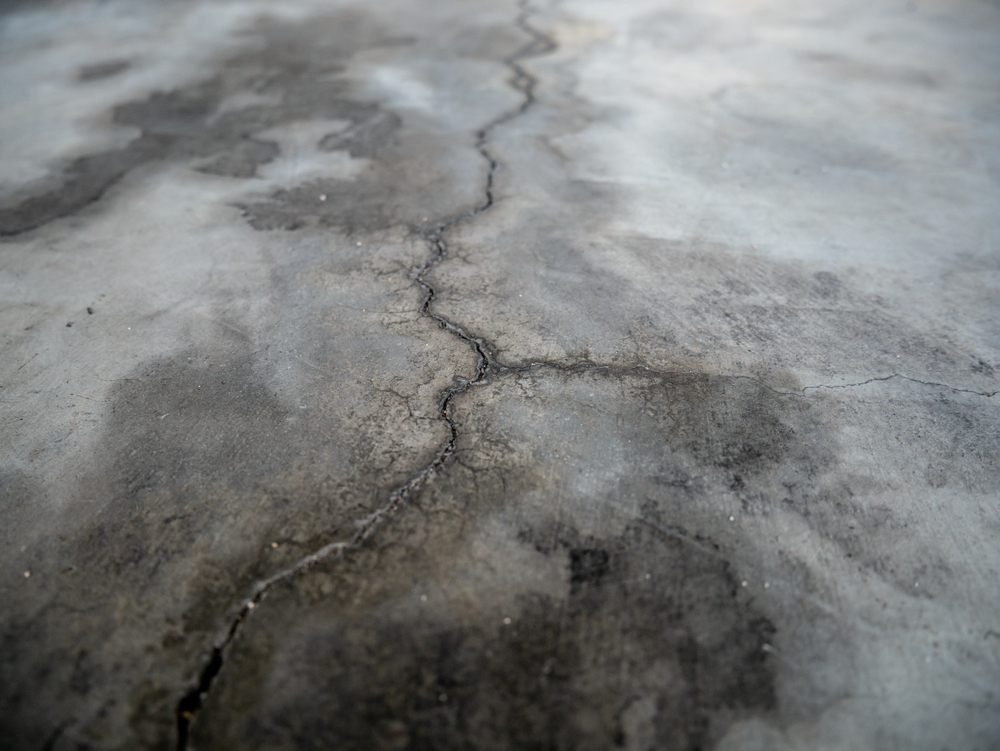
Cracked concrete floors are a common concern for homeowners and property managers throughout Boston, MA. With the region’s cold winters, variable soil conditions, and historical housing stock, understanding when to act on concrete floor cracks is crucial to maintaining structural integrity and property value. From minor cosmetic issues to signs of serious foundation problems, knowing the difference can save time, money, and stress. This blog will explore the types of concrete floor cracks, how to distinguish between structural vs non-structural cracks, when to consult professionals for foundation crack repair in Boston, and how to conduct a proper basement crack inspection.
The Causes of Concrete Floor Cracks in Boston
Concrete is a durable yet brittle material that can crack for several reasons. In Boston, where freeze-thaw cycles are frequent and groundwater tables fluctuate, concrete floors often experience stress from environmental conditions. One of the most common causes is shrinkage during the curing process. As the concrete dries, it naturally contracts, leading to hairline cracks. These are typically non-structural and pose no immediate risk.
However, external factors such as soil movement, poor construction practices, inadequate reinforcements, or water intrusion can lead to more serious issues. Expansive soils in parts of Massachusetts, particularly near riverbeds or marshy areas, can expand when wet and contract when dry, putting significant pressure on concrete slabs. Additionally, poor drainage or leaky plumbing can saturate the ground beneath a basement floor, weakening the sub-base and causing it to shift or settle unevenly.
Boston’s older homes often have outdated or degraded foundation materials. Over time, the natural settling of a building can also create cracks in the concrete slab. Not all of these cracks indicate structural failure, but they should never be ignored without proper assessment.
Structural vs Non-Structural Cracks: How to Tell the Difference
Homeowners in Boston frequently ask how to distinguish between structural vs non-structural cracks. The answer lies in the pattern, width, depth, and behavior of the crack over time.
Non-structural cracks are typically thin (less than 1/8 inch), run in random directions, and do not shift or widen significantly. These cracks might be superficial and result from drying shrinkage or temperature changes. While they may be unsightly, they often don’t compromise the integrity of the slab and can be patched for aesthetic or moisture-control reasons.
Structural cracks, on the other hand, are more serious. They may be wider than 1/8 inch, exhibit vertical displacement (where one side of the crack is higher than the other), or form in a pattern such as a diagonal or stair-step configuration across walls and floors. These cracks suggest movement within the foundation or sub-grade that could lead to major issues if left unchecked.
For instance, a diagonal crack extending from the corner of a basement wall to the floor may indicate differential settlement, which can result from soil erosion or foundation sinking. Cracks that widen over time or allow water to seep in are also red flags. In such cases, it is vital to consider professional foundation crack repair, especially in Boston’s moisture-prone environment.
Signs You Need Foundation Crack Repair in Boston
Boston’s unique climate and infrastructure mean that concrete floor cracks can escalate quickly if not addressed. Foundation crack repair is necessary when cracks indicate potential instability. Warning signs that your cracked basement floor may require immediate attention include recurring moisture intrusion, mold growth, uneven floors, or doors and windows that stick or won’t close properly. These can all be indirect indicators that your foundation is moving or deteriorating.
Because Boston is home to many older brick and stone foundations, signs of aging or neglect are common. While small cracks in old masonry may not be unusual, large gaps or bulging walls are often symptoms of significant structural issues. If your basement walls show extensive cracking or bowing, professional intervention is essential to prevent further damage.
Local repair specialists in Boston use several techniques to address foundation issues, such as epoxy injection for sealing minor cracks, carbon fiber reinforcements for added stability, and piering systems to lift and stabilize sunken foundations. Choosing the right method depends on a thorough inspection and understanding of the underlying cause. Fortunately, Boston is home to a number of experienced contractors familiar with the regional challenges of maintaining older foundations in urban and suburban environments.
The Role of a Basement Crack Inspection
A basement crack inspection is one of the most important steps in determining the severity of concrete floor cracks and identifying the right solution. In Boston, where many basements double as living spaces or utility rooms, keeping this area dry and structurally sound is essential. An inspection should be conducted by a qualified structural engineer or a trusted foundation repair specialist.
During the inspection, the professional will look for signs of active movement, moisture penetration, and structural load shifts. They will document the width and direction of each crack, assess whether it’s new or old, and determine if it is expanding. The inspector may also evaluate soil conditions, drainage systems, and previous repair attempts.
Thermal imaging, laser leveling, and moisture meters are among the tools commonly used in basement crack inspections. These instruments help identify hidden water intrusion or subtle floor sloping that may not be visible to the naked eye. In Boston, inspections are especially valuable before purchasing a home or converting a basement into finished living space, as they provide peace of mind and help prevent costly surprises down the road.
Homeowners should also schedule an inspection after any seismic activity, unusually heavy rainfall, or extended drought, as these events can significantly impact soil behavior beneath a home. Routine inspections every few years are a wise investment, particularly in aging Boston properties with a history of foundation issues.
Long-Term Prevention and Maintenance Strategies
Once a cracked basement floor has been evaluated and repaired, the next step is implementing a long-term maintenance strategy to prevent recurrence. In Boston’s fluctuating climate, this involves controlling moisture levels both inside and outside the home. Proper grading around the foundation, functioning gutters and downspouts, and maintaining a dry basement interior with dehumidifiers or sump pumps can all help preserve the integrity of concrete floors.
Sealants and waterproofing coatings can be applied to the basement floor and walls to reduce the risk of water infiltration. However, these are best used as preventative measures rather than solutions for structural damage. It’s also advisable to monitor cracks over time using measuring gauges or even smartphone apps designed for home maintenance tracking.
Homeowners undertaking renovations or adding new weight to their homes—such as a second story addition—should consult with structural engineers in advance. These changes can place additional stress on the foundation and increase the likelihood of cracking if not properly accounted for.
Finally, maintaining a relationship with a local Boston-based foundation specialist ensures that any future concerns can be addressed promptly. Seasonal check-ins or post-winter assessments can catch early signs of trouble and allow for minor repairs before they evolve into major structural issues.
Conclusion
While concrete floor cracks are a common occurrence in Boston homes, not all require urgent intervention. The key lies in differentiating between structural vs non-structural cracks, conducting a thorough basement crack inspection, and acting quickly when signs of foundation instability arise. With proactive maintenance and expert guidance, homeowners can protect their investment and enjoy peace of mind, knowing their foundation is strong and secure for years to come. Whether it’s a simple cosmetic crack or a warning sign of deeper issues, understanding when to take action is the first step toward preserving the safety and value of your Boston property.
Need The Best Foundation Crack Repair Specialist Near You?
At Done Right Services, we’ve been the trusted name in masonry since 1998, offering top-notch stone foundation repairs, crack repairs, and basement waterproofing throughout Massachusetts and New Hampshire. Our team of experts is dedicated to restoring your home’s foundation and ensuring your basement stays dry and safe. With our lifetime warranty and 15-year money-back guarantee on all concrete foundation services, you can trust that we’ll handle your needs with precision and care. Don’t let water leaks or foundation issues damage your home—reach out to us and experience the Done Right difference today!