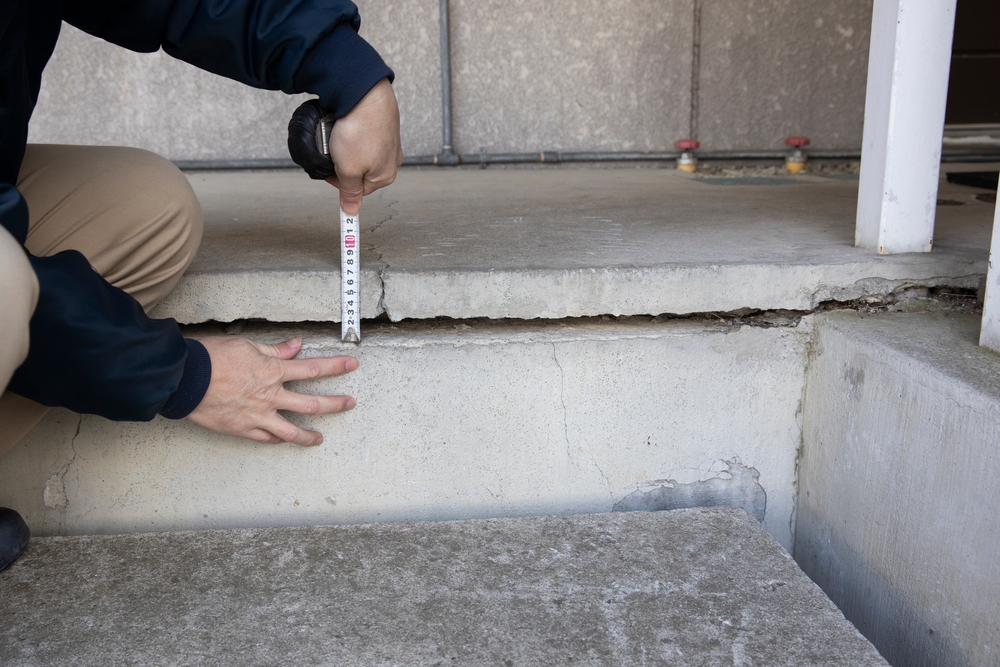
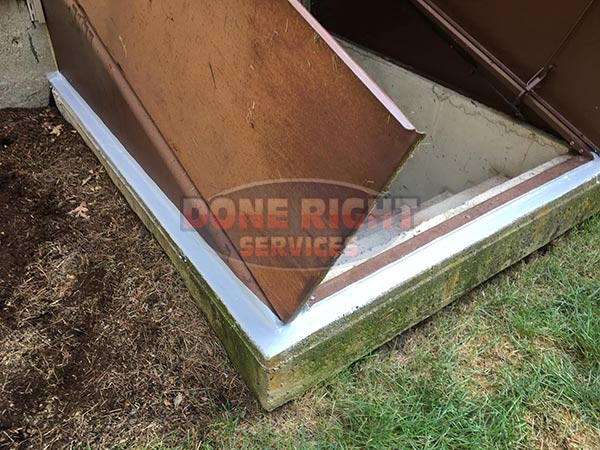
Homeownership in Massachusetts comes with a unique set of challenges, especially when it comes to protecting the integrity of your home’s foundation. Harsh winters, humid summers, and diverse soil conditions all contribute to the risk of foundation cracks. While a small crack might not seem alarming at first, ignoring it can lead to significant structural damage over time. Understanding the common causes of foundation cracks and how to prevent them is essential for every homeowner in the region. By addressing issues early and investing in prevention, you can avoid costly basement cracks repair and protect your property’s value.
Climate and Seasonal Shifts as Common Causes of Foundation Cracks
Massachusetts is known for its extreme weather patterns, and these changes can wreak havoc on residential foundations. During the winter, freezing temperatures cause soil to expand as it absorbs moisture and freezes. This expansion exerts pressure against the foundation walls, often leading to basement cracks. Once the soil thaws in the spring, it contracts, creating gaps around the foundation that allow water to seep through.
This repeated cycle of freezing and thawing weakens the foundation over time. In regions with high snow accumulation, melting snow can saturate the ground around the home, further stressing the foundation. Homeowners in Massachusetts often notice new foundation cracks appearing each spring due to these seasonal shifts.
Heavy rainfall in the summer and autumn also plays a role. When the soil becomes oversaturated, it loses stability, placing uneven pressure against foundation walls. These hydrostatic pressures are a leading cause of structural damage, and without proper drainage, the risk increases significantly.
Preventing foundation damage caused by climate involves ensuring proper grading around the home, installing effective drainage systems, and maintaining gutters and downspouts. By controlling how water moves around your property, you can reduce seasonal stress on your foundation.
Soil Composition and Its Role in Foundation Cracks
The soil beneath and around a home is just as important as the concrete or stone used in the foundation itself. In Massachusetts, many properties sit on a mix of clay-rich soils, sandy soils, and rocky sublayers. Clay-heavy soils are particularly problematic when it comes to foundation cracks. Clay swells dramatically when wet and shrinks when dry, creating continuous cycles of expansion and contraction. This movement can push against foundation walls, creating cracks that may start small but grow over time.
Sandy soils, while less expansive, do not hold moisture well. This can lead to uneven settling beneath the foundation, causing cracks to develop as the home shifts. Rocky soils, although more stable, may contain voids or gaps that lead to foundation settling if they are not properly compacted during construction.
Soil-related issues often result in diagonal or stair-step cracks in basement walls, a telltale sign of uneven foundation movement. Preventing foundation damage caused by soil requires proper site preparation before construction, as well as ongoing maintenance. Adding soil around the foundation to improve grading, installing French drains, and monitoring moisture levels can all help minimize the risk.
Poor Construction Practices and Their Long-Term Impact
Not all foundation problems are caused by nature. Poor construction practices remain a leading factor in structural issues for homes in Massachusetts. If the foundation was poured without adequate reinforcement, or if substandard materials were used, cracks are more likely to appear. Insufficient curing time for concrete during construction can also lead to weaker foundations that are susceptible to stress.
Improper backfilling around the foundation is another issue. When builders fail to compact soil properly, voids remain, which later settle unevenly under the weight of the home. This settling places strain on the foundation, leading to cracks and instability.
While homeowners cannot change how their foundation was built, they can take steps to strengthen it over time. Professional inspections can identify early warning signs of structural issues. In some cases, repairs such as wall anchors, carbon fiber reinforcement, or underpinning may be recommended to stabilize the foundation. Addressing minor cracks early through basement cracks repair is essential to preventing larger, more expensive repairs later.
Water Damage and Drainage Problems
Water is one of the most destructive forces when it comes to foundations. In Massachusetts, where heavy rainfall, snowmelt, and coastal storms are common, poor drainage is a major cause of foundation cracks. When water collects around the base of the home, it creates hydrostatic pressure against the foundation walls. Over time, this constant pressure leads to horizontal cracks, bowing walls, and even basement flooding.
Leaking gutters, clogged downspouts, and improper grading around the home make these problems worse. Water that is not directed away from the foundation finds the path of least resistance, often seeping into small cracks and widening them. Basement moisture not only damages the structure but can also lead to mold growth and unhealthy living conditions.
Preventing foundation damage caused by water requires vigilance. Homeowners should regularly clean gutters and extend downspouts away from the house. Installing sump pumps and interior or exterior drain tiles can also provide long-term protection. Waterproofing basement walls is another effective measure that prevents water infiltration and reduces the need for frequent basement cracks repair.
Preventing Foundation Damage Through Maintenance and Repair
While Massachusetts homeowners cannot control the weather or soil conditions, they can take proactive steps to reduce risks and protect their foundation. The first step is regular inspection. Walking through your basement or around the exterior of your home every few months helps identify new cracks before they worsen. Pay attention to horizontal cracks, wide gaps, or cracks that allow water seepage, as these require immediate attention.
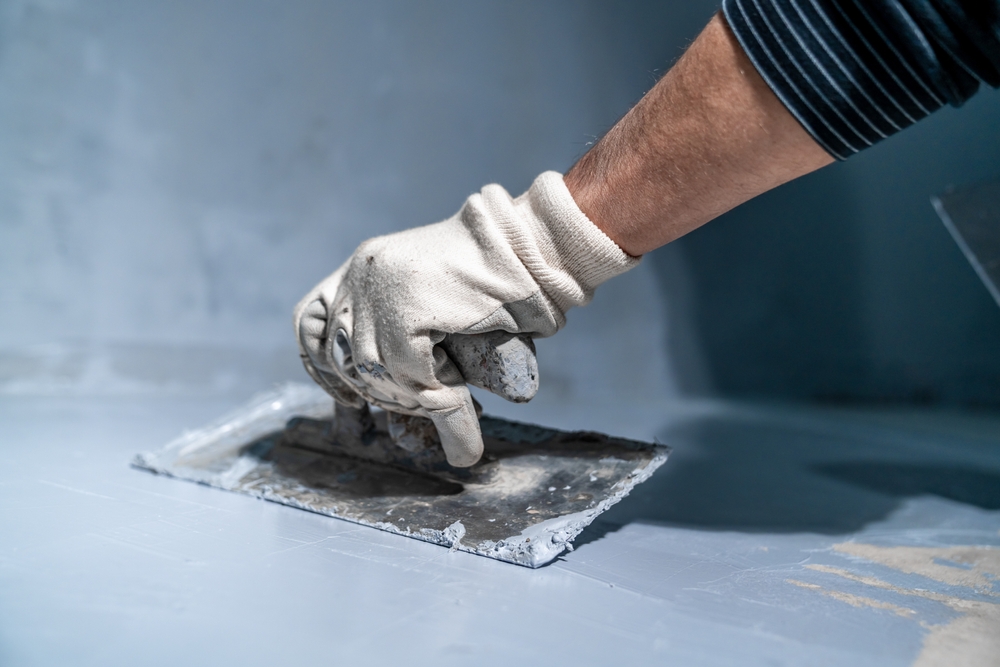
Investing in professional basement cracks repair is crucial. Small cracks can often be sealed with epoxy injections, which prevent water infiltration and restore structural strength. More serious damage may require reinforcement or underpinning, but addressing the problem early keeps repair costs manageable.
Maintaining proper drainage is another key factor in preventing foundation damage. Ensure that soil slopes away from your home so water naturally flows outward. Installing French drains or dry wells can provide long-term solutions for properties that experience frequent flooding.
Seasonal maintenance is especially important in Massachusetts. Before winter, check for cracks and seal them to prevent water from freezing inside and expanding. In spring, clear snow and ice from around the foundation and inspect for signs of new damage caused by the freeze-thaw cycle. During the summer and fall, monitor for heavy rain accumulation and make adjustments to your drainage systems as needed.
Conclusion
Foundation cracks are a common concern for homeowners in Massachusetts, but with knowledge and proactive care, they can be managed effectively. The most common causes of foundation cracks include climate and seasonal shifts, soil composition, poor construction practices, and water damage. Each of these factors poses unique challenges, but by staying alert and investing in proper maintenance, homeowners can significantly reduce risks.
Basement cracks repair is not just about fixing visible damage; it is about preventing future problems. By combining professional inspections with consistent upkeep, Massachusetts homeowners can preserve the safety, value, and comfort of their properties. Protecting your foundation is one of the most important investments you can make in your home, and the effort you put in today will save you time, money, and stress in the years ahead.
Need The Best Foundation Crack Repair Specialist Near You?
At Done Right Services, we’ve been the trusted name in masonry since 1998, offering top-notch stone foundation repairs, crack repairs, and basement waterproofing throughout Massachusetts and New Hampshire. Our team of experts is dedicated to restoring your home’s foundation and ensuring your basement stays dry and safe. With our lifetime warranty and 15-year money-back guarantee on all concrete foundation services, you can trust that we’ll handle your needs with precision and care. Don’t let water leaks or foundation issues damage your home—reach out to us and experience the Done Right difference today!
Boston’s South End is a neighborhood like no other, a historic district that seamlessly blends 19th-century charm with the vitality of modern city life. Known for its iconic brick row houses, tree-lined streets, and elegant Victorian architecture, the South End stands as one of the largest Victorian urban districts in the United States. Owning a home here means being part of a living piece of history, but it also comes with unique challenges—especially when it comes to foundation and bulkhead waterproofing.
At Foundation Crack Repair, we understand the delicate balance between maintaining architectural integrity and ensuring modern protection against water intrusion. Since 1998, our team has specialized in historic home waterproofing, helping Boston homeowners preserve their cherished residences while protecting them from basement water issues that can cause structural damage over time. With our expertise, South End Boston homeowners can feel confident that their homes are protected from water infiltration without sacrificing the authenticity that makes these properties so special.
When considering basement and foundation needs in the South End, one cannot ignore the impact of Boston’s climate. Freeze-thaw cycles, heavy rains, and occasional flooding put extra stress on historic brick foundations and stone bulkheads. While these elements were constructed with impressive craftsmanship over a century ago, time and moisture inevitably weaken them. Left unchecked, these vulnerabilities can lead to water seepage, musty odors, mold growth, and significant structural damage. That’s why professional brick foundation waterproofing and bulkhead repair are essential services for homeowners committed to preserving both the history and livability of their property.
Our mission is clear: to bridge the gap between past and present by offering solutions that respect traditional building materials while introducing modern waterproofing techniques. With each project, we bring the expertise required to protect South End Boston’s architectural treasures for generations to come.
Bulkhead Waterproofing: Protecting the Gateway to Your Basement
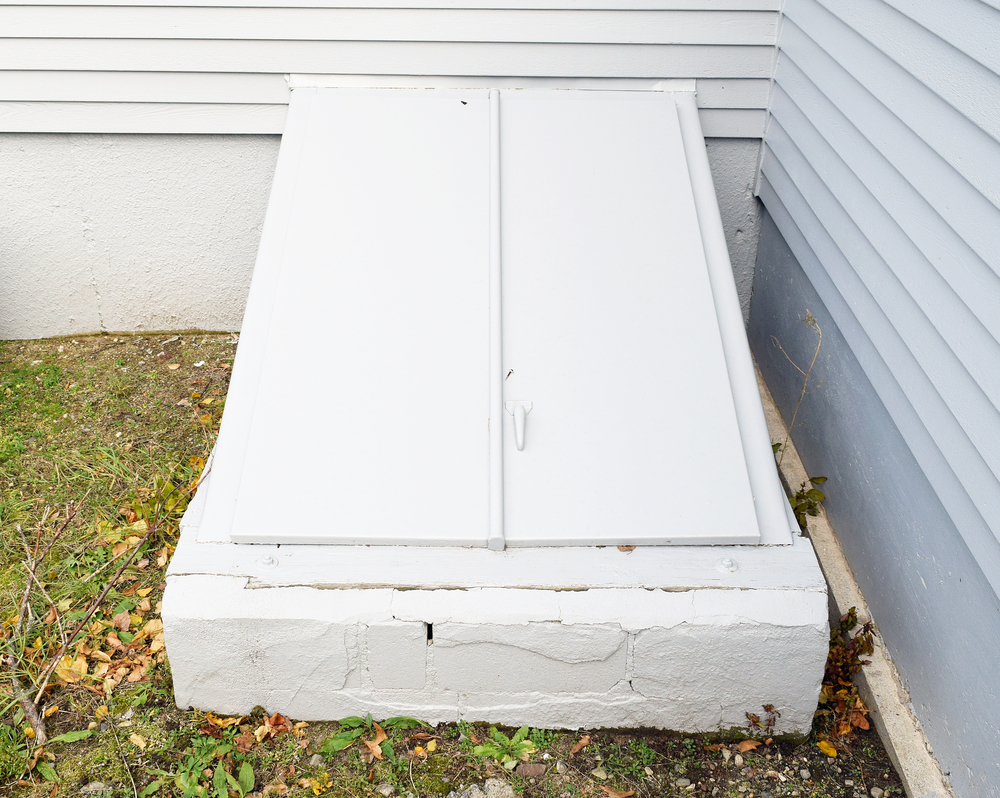
The bulkhead, often referred to as the cellar door or hatchway, serves as a secondary entrance to many South End basements. While functional, these structures are also one of the most common entry points for water. Over time, exposure to rain, snow, and fluctuating temperatures weakens bulkheads, causing cracks, gaps, and corrosion. For historic homes, these vulnerabilities can be especially problematic because the original materials were never designed to withstand modern levels of moisture stress.
Bulkhead waterproofing is not simply about keeping basements dry; it’s about safeguarding the entire foundation system. At Foundation Crack Repair, we use industry-leading techniques to seal bulkheads, ensuring they remain watertight while blending seamlessly with the historic aesthetic of South End properties. By addressing leaks at their source, we help homeowners prevent further basement water issues that can compromise both structural stability and indoor air quality.
Bulkhead repair and sealing begin with a comprehensive inspection. Our specialists carefully evaluate the existing structure, checking for rusted hardware, cracked concrete, and deteriorated seals around the bulkhead frame. Once identified, we apply high-performance waterproofing membranes, polyurethane sealants, or custom-fabricated solutions designed to withstand New England’s climate. For properties where bulkheads are beyond repair, we can replace them with historically appropriate yet modernized systems that align with the character of Boston’s historic homes.
Water infiltration around bulkheads is one of the leading contributors to basement flooding in South End Boston. Once water enters through the bulkhead, it spreads quickly into the basement, causing damage to floors, walls, and belongings. Mold and mildew thrive in damp conditions, creating health hazards for families. More importantly, consistent exposure to moisture accelerates the deterioration of brick and stone foundations, making bulkhead waterproofing a critical first line of defense.
By investing in this process, homeowners not only protect their property but also extend the life of their foundation. Our Boston foundation waterproofing contractor team combines time-tested masonry craftsmanship with cutting-edge waterproofing technologies to deliver results that respect both form and function.
The Unique Challenges of Historic Home Waterproofing in Boston
Waterproofing modern homes is a straightforward process compared to the complexities of working on historic properties. South End Boston’s historic row houses often feature fieldstone or brick foundations that were built in the mid-to-late 1800s. Unlike modern poured concrete foundations, these older structures were constructed using lime-based mortar and layered stone techniques. While beautiful and durable, they are more porous and susceptible to water infiltration.
Historic home waterproofing requires a nuanced approach. Traditional mortar and stonework must be preserved whenever possible, and inappropriate materials can accelerate damage rather than prevent it. For example, applying modern Portland cement to a lime mortar foundation can trap moisture instead of allowing the structure to breathe, causing premature deterioration. At Foundation Crack Repair, we specialize in repointing with historically compatible mortars, ensuring the foundation retains its original strength and character.
One of the biggest issues in South End homes is hydrostatic pressure. Because Boston is a coastal city with a high water table, groundwater often exerts pressure on basement walls. This pressure pushes water through cracks, weak joints, and porous brickwork. Without proper intervention, homeowners may notice water seeping in after rainstorms or snow melts. Our interior French drain systems and sump pump installations provide discreet yet highly effective solutions to relieve hydrostatic pressure while preserving the historic foundation’s structure.
Another challenge lies in balancing aesthetics with performance. South End homeowners value the historic look of their homes, and understandably so. Our waterproofing techniques are designed to be minimally invasive, often hidden behind masonry work or integrated seamlessly with existing structures. Whether it’s brick foundation waterproofing, bulkhead repair, or full-scale basement waterproofing, we always prioritize maintaining the visual and historical integrity of the property.
Preservation societies and Boston’s strict building codes add another layer of responsibility. Our team works closely with homeowners and local regulators to ensure every project respects preservation standards. By combining our technical expertise with an understanding of South End Boston’s historical value, we deliver waterproofing solutions that protect homes without compromising their authenticity.
Brick Foundation Waterproofing: A Critical Investment
Brick foundations are iconic features of South End Boston’s historic homes, but they are also particularly vulnerable to water intrusion. Unlike modern foundations, which are designed with advanced drainage systems, historic brick foundations rely heavily on their natural porosity and lime mortar to manage moisture. Over time, cracks and deterioration in the mortar allow water to seep into basements, leading to structural instability and costly repairs.
Brick foundation waterproofing begins with a detailed inspection. Our team examines every mortar joint, looking for signs of erosion, efflorescence (white salt deposits), or spalling (flaking of the brick surface). Once identified, we carefully clean and repoint the foundation using historically appropriate mortar blends. This process not only strengthens the structure but also prevents water from entering through weakened joints.
In addition to repointing, we apply advanced waterproofing systems tailored to Boston’s climate. These may include exterior membranes, interior drainage channels, or vapor barriers that work together to keep water at bay. For homes with severe basement water issues, we recommend installing a French drain system to capture and redirect groundwater before it can reach the foundation walls.
Brick foundation waterproofing is more than just a preventative measure—it is an investment in the long-term value of the property. South End Boston homes command some of the highest property values in the city, and protecting these assets from structural damage is essential. A dry basement not only enhances comfort but also preserves resale value. Prospective buyers are far more likely to invest in a historic home that has been professionally waterproofed by a trusted Boston foundation waterproofing contractor.
At Foundation Crack Repair, we take pride in offering brick foundation waterproofing that combines artistry with science. Every project is handled with the respect that historic homes deserve, ensuring homeowners can enjoy the charm of their property without the burden of water-related issues.
Choosing the Right Boston Foundation Waterproofing Contractor
Selecting the right contractor for bulkhead repair and foundation waterproofing is a critical decision for South End Boston homeowners. Historic homes require a higher level of expertise than modern properties, and hiring the wrong contractor can result in irreversible damage. At Foundation Crack Repair, our decades of experience set us apart as specialists in historic home waterproofing.
Since 1998, we have built a reputation for excellence by focusing on quality craftsmanship and customer satisfaction. Our team of highly trained professionals understands the unique needs of Boston’s historic housing stock, from brick and fieldstone foundations to bulkhead entrances. We use time-tested masonry techniques alongside innovative waterproofing solutions to ensure every project meets the highest standards of durability and preservation.
Transparency and communication are central to our process. Before beginning any project, we conduct a thorough inspection and provide homeowners with a detailed plan. We explain every step, from repointing and crack repair to bulkhead waterproofing and French drain installation. This level of clarity ensures homeowners know exactly what to expect and feel confident that their historic home is in expert hands.
Another important factor is compliance with Boston’s building codes and preservation guidelines. Our team stays up to date on all local regulations, ensuring that every repair and waterproofing solution aligns with city standards. By choosing a contractor who respects both history and regulation, South End homeowners protect themselves from costly fines and delays.
Ultimately, choosing the right Boston foundation waterproofing contractor is about trust. At Foundation Crack Repair, we view each project as a partnership with the homeowner. Our mission is to protect the past while preparing for the future, ensuring every South End home we service remains both historically authentic and structurally sound.
Conclusion
Historic South End Boston homes are treasures that deserve the utmost care and protection. While their charm and beauty are undeniable, these properties face unique challenges when it comes to basement water issues, bulkhead deterioration, and foundation vulnerabilities. Left unaddressed, these problems can compromise not only the structural integrity of a home but also the health and comfort of its occupants.
Bulkhead waterproofing, brick foundation waterproofing, and comprehensive historic home waterproofing are essential investments for homeowners who want to preserve both the beauty and functionality of their South End residences. At Foundation Crack Repair, we specialize in providing solutions that respect the delicate balance between tradition and modern protection. Our decades of experience, combined with a deep respect for Boston’s architectural heritage, make us the trusted choice for homeowners seeking lasting results.
Since 1998, we have dedicated ourselves to eliminating water leaks, repairing cracks, and restoring the strength of Boston’s historic foundations. Whether it’s bulkhead repair, interior French drain installation, or full-scale basement waterproofing, our commitment to quality ensures every home we service remains dry, safe, and secure.
For South End Boston homeowners looking to protect their investment, the solution is clear: partner with Foundation Crack Repair. Together, we can honor the past while safeguarding the future, ensuring these historic homes continue to thrive for generations to come.
Need The Best Foundation Crack Repair Specialist Near You?
At Done Right Services, we’ve been the trusted name in masonry since 1998, offering top-notch stone foundation repairs, crack repairs, and basement waterproofing throughout Massachusetts and New Hampshire. Our team of experts is dedicated to restoring your home’s foundation and ensuring your basement stays dry and safe. With our lifetime warranty and 15-year money-back guarantee on all concrete foundation services, you can trust that we’ll handle your needs with precision and care. Don’t let water leaks or foundation issues damage your home—reach out to us and experience the Done Right difference today!
When dealing with basement water problems in Massachusetts, homeowners are often faced with an important decision: should they choose an interior waterproofing system or exterior foundation waterproofing? While both options aim to protect your home from water intrusion, their approaches, costs, and long-term effectiveness can vary significantly. Understanding the differences between these methods is essential when deciding on the best waterproofing method for MA homes. This guide breaks down the pros, cons, and ideal situations for each option, giving you the insights you need to make an informed decision.
Basement Water Problems in Massachusetts
Massachusetts homeowners are no strangers to basement water problems, thanks to the region’s unique weather patterns and soil composition. With heavy rainfall, snowmelt, and fluctuating temperatures, water infiltration becomes a persistent issue. Clay-heavy soils common in many parts of the state retain water longer, which can lead to hydrostatic pressure against basement walls and floors. Over time, this pressure causes cracks, leaks, and potential structural damage.
The New England climate also presents seasonal challenges. During spring, melting snow combines with rain to oversaturate the soil, increasing the risk of water seepage. In winter, freeze-thaw cycles can cause foundation cracks to worsen. As a result, basement waterproofing is not just a preventive measure—it’s a necessity for maintaining a healthy, safe, and valuable home in Massachusetts.
An interior waterproofing system and exterior foundation waterproofing tackle these problems differently. Choosing the right solution requires evaluating the source of your basement water problems, the severity of damage, and your long-term goals.
Interior Waterproofing Systems: How They Work and When to Choose Them
An interior waterproofing system focuses on managing water after it has already entered your home, directing it safely away before it can cause damage. This method is often less invasive and more cost-effective than exterior foundation waterproofing, making it a popular choice for MA homeowners.
Typically, an interior system involves installing drainage channels along the perimeter of your basement floor. Water that seeps through the walls or floor is collected and channeled into a sump pump, which then expels the water away from your home’s foundation. Some systems also include vapor barriers on basement walls to reduce moisture and prevent mold growth.
Interior waterproofing is ideal when:
You’re experiencing minor leaks or occasional seepage rather than large-scale flooding.
Your home has limited exterior access due to landscaping, patios, or neighboring structures.
You need a more budget-friendly solution without major excavation.
While this method addresses the symptoms effectively, it does not stop water from penetrating your foundation walls. Over time, persistent moisture may still contribute to structural wear, so it’s most suitable for managing water rather than preventing it entirely.
For Massachusetts homeowners dealing with unpredictable weather and fluctuating groundwater levels, an interior waterproofing system can offer fast relief and protect finished basements from water damage. However, it’s important to weigh its limitations against the severity of your basement water problems.
Exterior Foundation Waterproofing: Comprehensive Protection at the Source
Exterior foundation waterproofing is a more proactive and long-term solution to basement water problems. Instead of managing water after it gets inside, this method stops it at the source by creating a protective barrier around your foundation. It’s often considered the best waterproofing method for MA homes where significant water intrusion or high groundwater levels are persistent concerns.
The process involves excavating the soil around your home’s foundation, cleaning the exterior walls, and applying a waterproof membrane or coating. Additional drainage systems, such as French drains, are installed to redirect water away from the foundation. By preventing moisture from entering the basement altogether, exterior foundation waterproofing addresses the root cause of water damage.
This approach is especially effective when:
You have major water infiltration or recurring flooding issues.
Your foundation walls have extensive cracks or structural weaknesses.
You plan to invest in long-term home protection and value preservation.
While exterior foundation waterproofing offers superior results, it comes with higher costs, longer timelines, and significant disruption due to excavation. In Massachusetts, where many homes have limited property lines or are built close to neighboring houses, accessibility can also be a challenge. However, for properties prone to severe basement water problems, this investment often pays off by preventing extensive repairs and safeguarding structural integrity.
Choosing the Best Waterproofing Method for MA Homes
Deciding between an interior waterproofing system and exterior foundation waterproofing comes down to the nature of your basement water problems and your long-term objectives. In many Massachusetts homes, a combined approach is often the most effective solution.
For homeowners with occasional leaks or dampness, an interior system provides a cost-effective way to manage water while protecting finished spaces. For those with chronic flooding, exterior foundation waterproofing delivers lasting protection by addressing the root cause of infiltration. In areas with high water tables or poorly draining soils, integrating both methods—using exterior waterproofing for prevention and interior systems for emergency backup—can offer the most comprehensive defense.
When choosing the best waterproofing method for MA homes, it’s essential to consider factors such as:
Severity of Water Issues: Minor seepage may only require an interior solution, while consistent flooding calls for exterior work.
Budget and Timeline: Interior systems are faster and less expensive, but exterior waterproofing is a better long-term investment.
Property Layout: Homes with difficult exterior access may favor interior solutions, while open property lines make excavation feasible.
Future Plans: If you plan to finish or renovate your basement, investing in long-term waterproofing protection is crucial.
Working with a local Massachusetts waterproofing professional can help you evaluate your home’s unique needs and create a customized plan that balances cost, effectiveness, and longevity.
Conclusion
Water damage is one of the biggest threats to Massachusetts homeowners, and choosing the right waterproofing strategy can make a lasting difference in your home’s safety and value. An interior waterproofing system offers an efficient and budget-friendly solution for managing leaks and dampness, while exterior foundation waterproofing provides comprehensive protection by preventing water from entering your home in the first place. For many properties, a hybrid approach that combines both methods delivers the most reliable results.
By understanding the differences between interior vs exterior waterproofing and evaluating the specific causes of your basement water problems, you can select the best waterproofing method for MA homes. Investing in the right solution today can save you thousands in future repairs, improve your home’s structural integrity, and create a healthier, drier living environment for years to come.
Need The Best Foundation Crack Repair Specialist Near You?
At Done Right Services, we’ve been the trusted name in masonry since 1998, offering top-notch stone foundation repairs, crack repairs, and basement waterproofing throughout Massachusetts and New Hampshire. Our team of experts is dedicated to restoring your home’s foundation and ensuring your basement stays dry and safe. With our lifetime warranty and 15-year money-back guarantee on all concrete foundation services, you can trust that we’ll handle your needs with precision and care. Don’t let water leaks or foundation issues damage your home—reach out to us and experience the Done Right difference today!
When you step into your basement and catch that distinct musty basement odor, it can feel unsettling. Many homeowners in Massachusetts experience this same issue, and while some might dismiss it as simply the smell of an older home, others wonder if it could point to something more concerning. The truth is that a basement smell can be more than just an inconvenience—it can be a warning sign of hidden moisture problems, mold growth, and even potential health risks. Understanding what causes that odor and how to deal with it is essential to protecting your home and family.
Understanding the Musty Basement Odor
The musty basement odor most homeowners notice is not just a random scent—it’s usually the direct result of mold or mildew growth. Mold and mildew thrive in environments where moisture is abundant, ventilation is poor, and organic materials like wood, paper, and fabric are available to feed on. Basements in Massachusetts, with their variable climate and frequent humidity swings, provide the perfect conditions for these organisms to grow.
Mildew, which is a surface-level fungus, often grows on damp walls, fabric, or paper, and produces a faint musty smell. Mold, on the other hand, penetrates deeper into surfaces and materials, releasing microbial volatile organic compounds (mVOCs) that create a much stronger and often more pungent basement smell. The severity of the odor often correlates with the extent of the contamination—if the smell is strong, there’s likely significant mold growth hidden behind walls, under carpets, or inside insulation.
Homeowners in Massachusetts often wonder: is basement mildew dangerous? While mildew itself is generally less harmful than mold, both can cause problems if not addressed. Even mildew can trigger allergic reactions and contribute to poor indoor air quality. That’s why recognizing the odor as an early warning sign is so important—it allows you to take action before the problem spreads.
Is Basement Mildew Dangerous?
One of the most common questions homeowners ask is, “Is basement mildew dangerous?” The short answer is yes, it can be—especially if it goes unchecked and spreads. Mildew exposure may cause mild respiratory issues, skin irritation, or allergy-like symptoms in sensitive individuals. However, if mildew turns into mold—or if mold is already present—the health risks increase significantly.
Mold spores are microscopic and can easily become airborne, traveling through your HVAC system and contaminating the entire home. Prolonged exposure to mold can lead to respiratory distress, worsening asthma, chronic sinus issues, headaches, and even more serious complications in people with compromised immune systems. Children and older adults are particularly vulnerable.
Massachusetts residents need to pay close attention to seasonal changes that contribute to dampness in basements. Heavy spring rains, humid summers, and melting snow in the winter can all introduce excess moisture into the foundation. Without proper basement waterproofing to prevent mold, the risk of mildew and mold-related health hazards only increases.
In addition to health concerns, mold and mildew can cause structural damage to your home. Wood beams, drywall, and insulation all deteriorate when exposed to prolonged moisture and fungal activity. This means that ignoring that basement smell could eventually lead to costly repairs, beyond just cleaning and remediation.
Signs of Mold in Basement
Recognizing the signs of mold in basement spaces is critical for stopping the problem before it grows out of control. While the musty basement odor is often the first red flag, there are many other indicators homeowners should watch for.
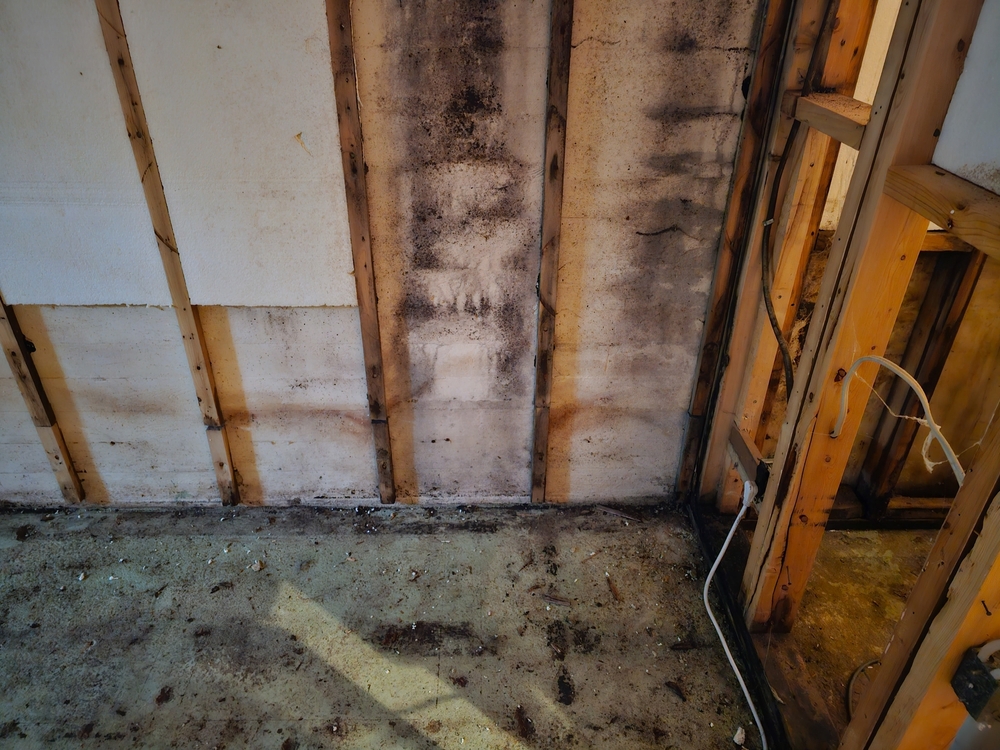
Visible mold patches are an obvious sign. These can appear in colors like black, green, brown, or even white, and may grow on walls, ceilings, floors, or stored items. Stains or discoloration on concrete, wood, or drywall may also point to mold activity. In basements, mold often grows in corners, near windows, or along the foundation where water seepage is most likely.
Another key sign is excess moisture itself. If your basement feels damp or humid, if you notice condensation on pipes and windows, or if you see water pooling after heavy rain, then mold growth is likely not far behind. Even small leaks from plumbing or appliances in the basement can encourage spores to multiply.
Health symptoms are another indicator. If you or your family experience worsening allergy or asthma symptoms when spending time in the basement—or even after running the central air system—it could be a sign that mold spores are present in the air.
In Massachusetts, where basements are common and weather conditions encourage dampness, homeowners should perform regular inspections. Catching these early signs allows you to take immediate steps to dry out the space, treat mold colonies, and invest in basement waterproofing to prevent mold from coming back.
Basement Waterproofing to Prevent Mold
One of the most effective long-term solutions for dealing with basement smell is basement waterproofing to prevent mold. Since mold and mildew need moisture to thrive, controlling water and humidity is the foundation of prevention.
There are several approaches to waterproofing. Interior solutions include sealing cracks in basement walls and floors, applying waterproof coatings, and installing vapor barriers to reduce humidity penetration. Dehumidifiers can also play a big role in controlling excess moisture, particularly during humid Massachusetts summers.
Exterior waterproofing goes even further, targeting the sources of water intrusion before it ever enters the basement. This might involve improving drainage around the foundation, installing or repairing gutters and downspouts, and applying protective sealants to exterior foundation walls. For homes with chronic water seepage, a full drainage system like a French drain or sump pump installation may be necessary.
Basement waterproofing is not just about preventing that musty basement odor—it’s about protecting your home’s structural integrity and your family’s health. Without waterproofing, even if you clean and remove existing mold, the problem is likely to return with the next wave of damp weather. Massachusetts homeowners who take waterproofing seriously can save themselves from repeated remediation costs and years of fighting recurring mold issues.
Another benefit of waterproofing is improved air quality. Since air rises through the home, damp and moldy basement air often travels upward, affecting the living spaces above. By eliminating the source of the smell and moisture, you improve the overall environment in the house.
How to Remove Basement Mold Smell
Even after addressing moisture issues, many homeowners still ask: how to remove basement mold smell effectively? The key is a combination of thorough cleaning, ventilation, and preventive measures.
First, all visible mold and mildew must be cleaned. This usually involves scrubbing surfaces with mold-killing solutions, such as vinegar, hydrogen peroxide, or specialized mold cleaners. For porous materials like carpets, insulation, or drywall, removal and replacement may be necessary since mold can penetrate deep into fibers and structures.
Next, improve airflow. Opening basement windows, installing fans, or upgrading the HVAC system helps circulate fresh air and remove lingering odors. Dehumidifiers should run consistently to keep humidity levels below 50%, which makes it harder for mold and mildew to return.
In Massachusetts, where basements are prone to persistent dampness, it’s also wise to use odor-absorbing materials like activated charcoal or baking soda during the cleaning process. These help neutralize odors while you address the root causes.
If the odor lingers, it may be a sign of hidden mold behind walls, under flooring, or in ductwork. In such cases, professional inspection and remediation may be necessary. Removing the smell isn’t just about comfort—it’s confirmation that the air is safe to breathe and that mold spores are no longer active in your environment.
Finally, prevention is the ultimate step. Once the smell is gone, regular inspections, maintaining proper ventilation, and reinforcing basement waterproofing efforts will ensure that the problem doesn’t return. The goal is not only to remove the odor but also to ensure it never comes back.
Conclusion
That persistent basement smell is more than just a nuisance—it’s often a warning sign of mold, mildew, and moisture issues that could compromise your home’s safety and your family’s health. Understanding what causes the musty basement odor, recognizing the signs of mold in basement environments, and asking questions like “Is basement mildew dangerous?” are the first steps toward taking control of the situation.
Massachusetts homeowners, in particular, face unique challenges with weather patterns that encourage dampness and mold growth. That makes proactive solutions like basement waterproofing to prevent mold even more important. Once mold and mildew are present, it’s not enough to simply mask the smell. Knowing how to remove basement mold smell properly ensures both a healthier home and long-term protection against recurring issues.
Ultimately, the musty smell should never be ignored. By addressing it quickly, investing in moisture control, and keeping your basement dry and well-ventilated, you protect your property and your family. What might seem like a simple odor problem is actually a valuable warning sign—one that, if handled correctly, can help you avoid much larger and costlier issues in the future.
Need The Best Foundation Crack Repair Specialist Near You?
At Done Right Services, we’ve been the trusted name in masonry since 1998, offering top-notch stone foundation repairs, crack repairs, and basement waterproofing throughout Massachusetts and New Hampshire. Our team of experts is dedicated to restoring your home’s foundation and ensuring your basement stays dry and safe. With our lifetime warranty and 15-year money-back guarantee on all concrete foundation services, you can trust that we’ll handle your needs with precision and care. Don’t let water leaks or foundation issues damage your home—reach out to us and experience the Done Right difference today!
When it comes to maintaining a dry and secure basement in Arlington, MA, one of the most misunderstood and often misrepresented components of a home is the bulkhead. These sturdy structures—essential for basement access—are notorious culprits for water infiltration, especially in a region like New England where heavy rains, snow melt, and freeze-thaw cycles take their toll. Unfortunately, a number of bulkhead waterproofing myths persist among homeowners and even some contractors, leading to misguided repairs and wasted expenses. This blog sets the record straight on what really works for bulkhead waterproofing in Arlington and the wider New England area, cutting through misinformation and offering real, practical advice.
Understanding the New England Bulkhead Challenge
To begin with, it’s important to understand what makes bulkhead waterproofing so challenging in Arlington, MA, and throughout New England. The region’s climate is notorious for its extremes. Winters bring freezing temperatures that contract building materials, while spring thaws and summer storms can introduce copious amounts of water into the soil around your foundation. In this scenario, bulkheads become highly vulnerable points for leaks.
A bulkhead door sits above ground, often several feet above the basement floor, and is connected to the foundation wall by a concrete or metal stairwell. Many homeowners wrongly assume that since bulkheads are elevated, they are immune to water issues. But if the joints where the bulkhead meets the house are not properly sealed, or if the drainage around the area is insufficient, water will find a way inside. In older homes—which are common in Arlington—settling foundations, eroded seals, and outdated construction methods only add to the problem.
Myth 1: A New Bulkhead Door Solves All Water Problems
One of the most pervasive myths is that simply replacing a rusted or leaky bulkhead door with a new model will automatically resolve all waterproofing concerns. While a new door might improve security and visual appeal, it does little to address the underlying issue of water infiltration through seams, cracks, and stairwell walls.
Many homes in Arlington, MA, have bulkheads that were installed decades ago. Over time, the concrete surrounding the door frame can crack or deteriorate, and water will seep through these weaknesses regardless of how new or advanced the door itself might be. Moreover, the connection between the bulkhead and the foundation wall often goes unsealed or poorly maintained. Without addressing these transition points with professional-grade sealants or membranes, installing a new door is just a cosmetic fix.
Myth 2: Caulk Is Sufficient for Sealing Leaks
It’s tempting to believe that a bit of exterior-grade caulk applied around the seams will be enough to stop water from entering through the bulkhead. Unfortunately, this approach rarely provides lasting results—especially in New England’s climate. The freeze-thaw cycle in Arlington causes building materials to expand and contract, leading to inevitable cracks in the caulk over time.
Furthermore, caulk isn’t designed to handle the kind of water pressure that can build up during a heavy rainstorm or snowmelt. As hydrostatic pressure rises in saturated soil, water looks for any route of escape—and a lightly caulked seam is an easy target. For true protection, homeowners need to think in terms of multi-layered systems: waterproof membranes, exterior coatings, flashing, and proper drainage. These are not DIY fixes; they require professional bulkhead waterproofing expertise and products specifically engineered to withstand regional conditions.
Myth 3: Interior Waterproofing Will Protect the Bulkhead Area
Some companies sell interior basement waterproofing systems—like perimeter drains and sump pumps—as a cure-all solution for basement leaks, including those originating at the bulkhead. While these systems can be highly effective for managing general basement moisture or water seepage through walls and floors, they do little to stop water from entering at the bulkhead entrance itself.
In fact, by the time water reaches the inside of your basement through the bulkhead area, damage may already be underway. Wooden framing can rot, insulation can become saturated, and mold can begin to develop—all before the water reaches your interior drainage system. Bulkhead waterproofing in Arlington, MA, needs to start at the source: the exterior junctions, seals, and barriers surrounding the bulkhead. Only then can interior systems serve as a helpful backup rather than the first line of defense.
Myth 4: It’s Too Expensive to Waterproof a Bulkhead Properly
Another common myth is that effective bulkhead waterproofing is prohibitively expensive. While it’s true that a thorough professional installation may cost more upfront than a quick DIY sealant job, the long-term cost savings can be significant. Proper bulkhead waterproofing prevents structural damage, avoids recurring water problems, and eliminates the need for repeated patchwork fixes.
In Arlington, where many homes have historic or aging foundations, investing in a comprehensive bulkhead waterproofing system can actually protect your home’s value. Techniques such as installing weather-resistant bulkhead enclosures, applying elastomeric waterproof coatings, or even replacing deteriorated concrete with properly graded and sealed components ensure longevity. Moreover, professional waterproofing often comes with warranties and guarantees—added peace of mind that a short-term solution simply can’t provide.
It’s also worth noting that not all bulkhead waterproofing jobs are created equal. A skilled local contractor who understands Arlington’s specific climate conditions and building codes can offer customized, cost-effective solutions. Whether it’s regrading the surrounding soil to promote drainage or installing a trench drain at the base of the bulkhead stairwell, these tailored strategies make a big impact without breaking the bank.
What Really Works: Proven Bulkhead Waterproofing Solutions in Arlington
So, what does work? First and foremost, success starts with a thorough inspection. A bulkhead waterproofing expert in Arlington, MA, should evaluate not just the door but the entire assembly: the stairs, concrete housing, joint seals, surrounding soil, and drainage pathways. A good contractor will look for evidence of water staining, rust, efflorescence, and foundation cracks before recommending solutions.
Next comes the sealing. Industrial-strength polyurethane or rubberized membranes can be applied at the seams where the bulkhead meets the house. These materials remain flexible and adhere well even in cold weather, making them ideal for New England use. Depending on the design, flashing may be added to direct water away from the joint line, preventing intrusion during storms.
In many cases, exterior drainage improvements are essential. This might involve regrading the landscape so that water flows away from the bulkhead, or installing a surface drain or trench system around the base of the stairwell. Some homeowners also benefit from overhead protection—such as a canopy or small overhang—to minimize direct rainfall into the stairwell.
For bulkheads built below grade, installing a waterproof enclosure system or secondary barrier inside the stairwell structure can provide additional defense. These enclosures are often constructed from rust-resistant metal or polymer and come with weather-sealed doors. When properly installed, they act like a mini storm shelter, keeping rain and snow out of the stairwell completely.
Lastly, periodic maintenance is critical. Even the best bulkhead waterproofing system in Arlington needs occasional upkeep. This includes cleaning debris from drains, inspecting and reapplying sealant when needed, and ensuring that soil and mulch are not building up near the seams. A small investment in regular inspections can prevent major repair bills down the road.
Conclusion
Bulkhead waterproofing in Arlington, MA, is not about applying a quick fix or relying on outdated myths. It’s about understanding how water behaves in this region, using professional-grade materials, and addressing vulnerabilities from the outside in. By rejecting common misconceptions and investing in proven strategies, homeowners can protect their basements, foundations, and long-term property value—rain or shine, winter or summer.
Need The Best Foundation Crack Repair Specialist Near You?
At Done Right Services, we’ve been the trusted name in masonry since 1998, offering top-notch stone foundation repairs, crack repairs, and basement waterproofing throughout Massachusetts and New Hampshire. Our team of experts is dedicated to restoring your home’s foundation and ensuring your basement stays dry and safe. With our lifetime warranty and 15-year money-back guarantee on all concrete foundation services, you can trust that we’ll handle your needs with precision and care. Don’t let water leaks or foundation issues damage your home—reach out to us and experience the Done Right difference today!