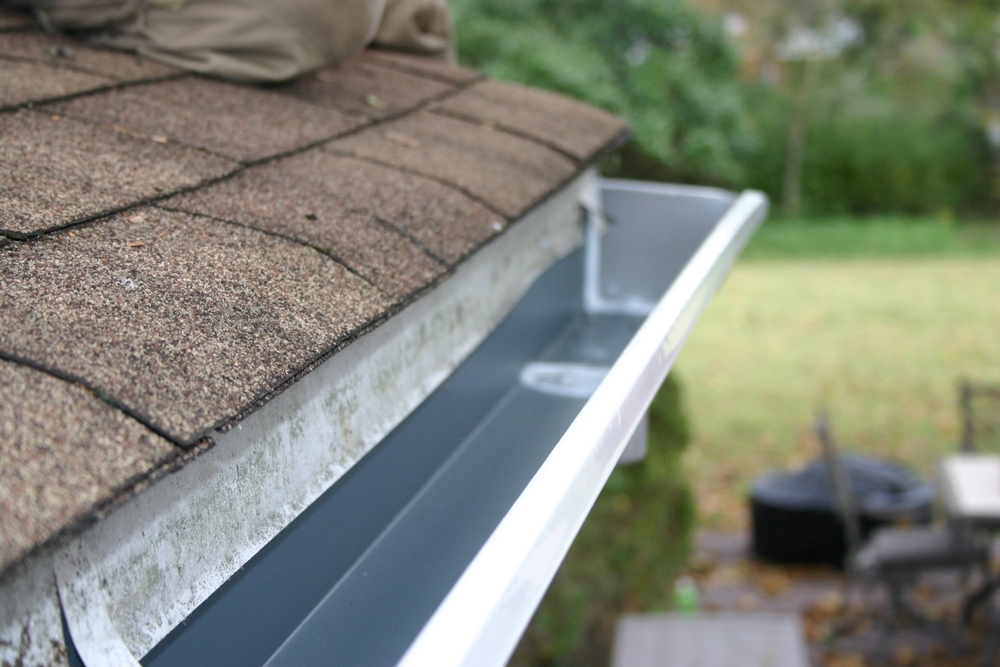
Properly functioning gutters are essential to protect your home from water damage. They collect rainwater from your roof and direct it away from the foundation, preventing leaks, erosion, and other potential issues. When gutters get clogged or damaged, it can lead to serious problems like water pooling around the foundation, which can cause cracks, leaks, or even basement flooding. Regular gutter maintenance and care are necessary to keep your gutters working as they should, ensuring that rainwater flows away from your home effectively.
The Importance of Regular Gutter Maintenance
Gutters serve an essential role in residential waterproofing by guiding rainwater away from your home’s foundation. Over time, debris such as leaves, twigs, dirt, and even bird nests can accumulate in your gutters, preventing water from draining properly. When this happens, the water has nowhere to go but overflow, which can lead to a variety of problems. Water pooling around your foundation can cause soil erosion, leading to structural damage over time. It also increases the risk of water infiltration into your basement, causing flooding or creating a damp environment that promotes mold and mildew growth.
For homeowners, the key to protecting your property is regular gutter maintenance. A well-maintained gutter system ensures that rainwater flows efficiently through the downspouts and away from the base of your home, reducing the risk of water damage and maintaining the integrity of your home’s structure. Keeping your gutters clean is a crucial component of preventing costly issues related to waterproofing and foundation maintenance.
Inspecting Your Gutters Regularly
One of the most effective ways to ensure your gutters are draining properly is through regular inspections. During the spring and fall, when trees shed their leaves, it’s essential to check your gutters for any build-up of debris. The first step in inspection is visually examining the gutters and downspouts. Look for signs of blockages such as standing water, overflowing gutters, or plants growing inside the gutters. Also, check for areas that may have sagged or become misaligned, as these could cause water to pool in certain areas.
It’s important to make sure that your gutters are securely attached to your home. Loose or damaged gutters can lead to improper drainage, as the water may spill over the sides or fail to reach the downspouts. Furthermore, the downspouts should be free from clogs and direct water at least three to four feet away from the foundation to prevent water from seeping into your basement or causing erosion.
Inspecting your gutters periodically can save you time and money by identifying issues before they become severe. Early detection of damage, such as cracks or rust, can help you make minor repairs before they require costly replacements. If you’re unsure about your gutters’ condition or unable to safely access them, hiring a professional to perform an inspection is a good idea.
Cleaning Your Gutters and Downspouts
One of the most common causes of improperly draining gutters is the accumulation of debris. Leaves, twigs, and other organic materials can easily clog the gutters, causing water to overflow or back up into your roof. Cleaning your gutters and downspouts regularly is essential for maintaining proper drainage.
To begin, use a sturdy ladder to safely reach your gutters. Wear gloves to protect your hands from sharp objects and debris. Start by removing any visible debris by hand or with a scoop, working your way along the length of the gutter. If you encounter any stubborn blockages, use a hose to rinse out the gutters and clear any remaining dirt. Be sure to direct the water toward the downspouts to flush out any clogs.
Next, focus on the downspouts. If water doesn’t flow freely through the downspouts, they may be clogged with leaves or debris. You can use a plumber’s snake or a high-pressure hose to clear out the blockage. After the downspouts are clear, pour water through the gutters again to ensure that it flows properly and drains away from the house.
Cleaning your gutters twice a year is generally recommended, but if you live in an area with heavy rainfall or surrounded by trees, you may need to clean them more often. Regular cleaning will ensure that your gutters remain functional and help prevent water damage to your home.
Repairing Damaged Gutters
Over time, gutters can suffer wear and tear from exposure to the elements. Cracks, holes, rust, or bent gutters can disrupt water flow, leading to water damage around your home. If you notice any signs of damage during your inspections, it’s important to address the issue immediately to prevent further problems.
For small cracks or holes, you can patch them up using a specialized gutter sealant or patch kit. These products are designed to create a watertight seal that prevents leaks and ensures proper drainage. For rusted or corroded areas, you may need to remove the damaged section of the gutter and replace it with a new one. A professional gutter repair service can assist with this if you’re unsure how to perform the repairs yourself.
In some cases, the damage to your gutters may be more extensive, requiring a full replacement. This is especially true if your gutters have become detached or are no longer properly aligned. While repairing minor damage is relatively simple, a complete replacement may be necessary if the gutters are beyond repair. Professional gutter installation services can provide guidance on the best options for your home, taking into consideration your roof type, climate, and specific needs.
Investing in Gutter Guards
One way to reduce the frequency of gutter cleaning and ensure that water flows freely is to install gutter guards. These protective screens fit over your gutters and prevent debris from entering while still allowing water to flow through. Gutter guards come in various types, including mesh screens, foam inserts, and reverse-curve models. Each type has its benefits, depending on your home’s needs.
Gutter guards can significantly reduce the amount of maintenance required, as they help prevent debris from accumulating in the first place. They can also extend the lifespan of your gutters by reducing the risk of clogs, rust, and damage from heavy debris. By preventing leaves and other debris from entering your gutters, gutter guards also minimize the chances of ice dams forming in colder climates, which can cause significant damage to both gutters and the roof.
While gutter guards are a helpful investment, they are not a replacement for periodic inspections. It’s still important to inspect your gutters regularly to ensure the guards are functioning correctly and not clogged with debris. Even with gutter guards, some maintenance is still necessary to ensure that your gutters continue to drain properly.
Conclusion
Keeping your gutters draining properly is a vital part of maintaining your home and protecting it from water damage. Regular inspections, cleaning, and repairs will ensure that rainwater is directed away from your home, reducing the risk of foundation damage, basement flooding, and mold growth. Whether you choose to invest in gutter guards or continue with regular maintenance, ensuring that your gutters function properly is essential for preserving the integrity of your home.
As part of your overall residential waterproofing strategy, gutter maintenance is a simple but effective way to prevent water from causing long-term damage to your property. If you’re concerned about water infiltration in your basement, it may be worth looking into basement waterproofing solutions in addition to regular gutter care. Taking these preventive measures will help you maintain a dry, safe, and healthy home environment for years to come.
At Done Right Services, we’ve been the trusted name in masonry since 1998, offering top-notch stone foundation repairs, crack repairs, and basement waterproofing throughout Massachusetts and New Hampshire. Our team of experts is dedicated to restoring your home’s foundation and ensuring your basement stays dry and safe. With our lifetime warranty and 15-year money-back guarantee on all concrete foundation services, you can trust that we’ll handle your needs with precision and care. Don’t let water leaks or foundation issues damage your home—reach out to us and experience the Done Right difference today!
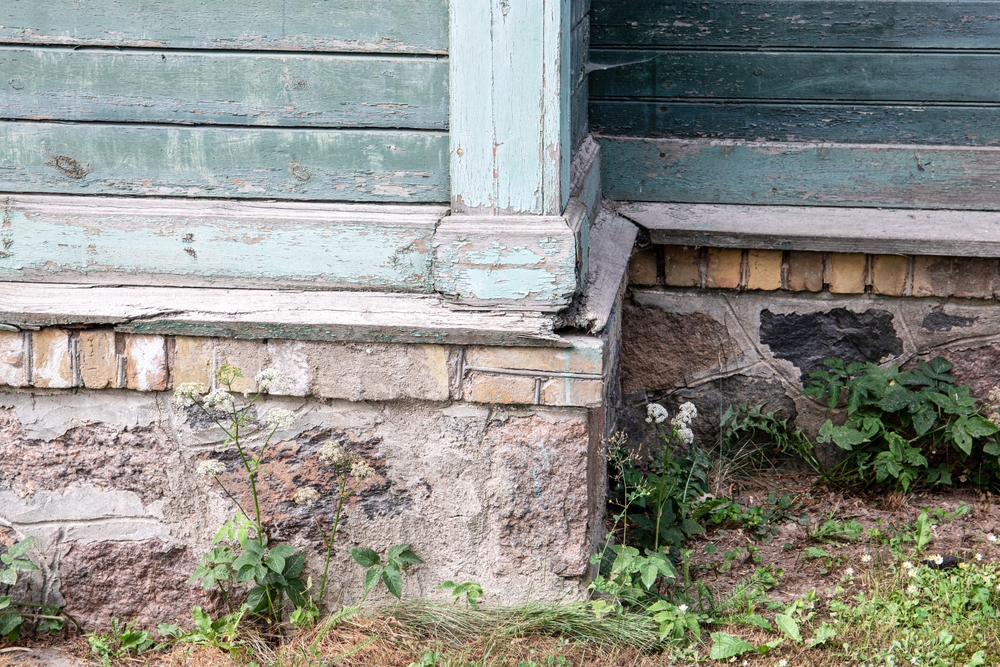
As winter approaches, homeowners are often concerned about the impact of cold weather on the structural integrity of their homes. One of the most vulnerable parts of your house during this season is the foundation. The freezing temperatures, fluctuating moisture levels, and harsh winter conditions can lead to significant damage, which could be costly to repair. Foundation repair and foundation crack repair can be expensive, but taking preventative measures can protect your home from the worst winter has to offer. In this blog, we’ll explore practical tips and strategies that will help you safeguard your foundation and avoid the headaches of costly repairs.
Understanding the Risks to Your Foundation
Before diving into how to protect your foundation, it’s important to understand the specific risks winter poses. In colder climates, the ground can freeze, leading to shifting and settling of the foundation. When water in the soil around your foundation freezes, it expands, putting pressure on your foundation walls. This process, known as frost heaving, can cause cracks in the foundation or even push it out of alignment. Additionally, moisture from snow or rain can seep into small gaps, only to freeze and expand further when the temperatures drop. This can create larger cracks over time, which could compromise the structural integrity of your home. If left unaddressed, these issues can result in costly foundation crack repair and long-term damage to your property.
Another risk comes from the freeze-thaw cycle. As temperatures rise during the day and drop at night, the ground goes through a constant cycle of freezing and thawing. This constant movement in the soil can lead to shifting or settling around the foundation, which could cause cracks, misalignments, or even structural instability. The combination of moisture and temperature fluctuations makes winter a particularly challenging time for maintaining the health of your home’s foundation.
Proper Drainage: The First Line of Defense
One of the most important steps in protecting your foundation from winter damage is ensuring that your home’s drainage system is functioning properly. Poor drainage is one of the primary causes of foundation issues, particularly during the winter months when water accumulation is more common. If water is allowed to pool around the foundation, it can seep into small cracks and freeze, causing them to expand. Over time, this repeated cycle can cause even small cracks to turn into large gaps that require foundation crack repair.
Ensure that gutters and downspouts are clear of debris and functioning properly. Water should be directed away from the foundation to avoid pooling around the base of your home. Make sure that downspouts extend at least five feet from your foundation. You may want to consider adding splash blocks or other devices to help divert water further away from your home. Additionally, check the grading around your home’s foundation. The ground should slope away from the house to ensure proper drainage. If the grading is too flat or slopes toward the foundation, it can cause water to accumulate around the base of your home, which increases the risk of foundation damage.
Insulating the Foundation
Winter brings cold temperatures, and insulating your foundation is an effective way to protect it from freezing temperatures and the damaging effects of frost. Proper insulation can help prevent frost heaving by reducing the amount of cold air that penetrates the soil around your foundation. If you live in an area where the ground freezes deeply, insulating your foundation helps prevent the soil from freezing, which reduces the risk of the foundation shifting or developing cracks.
There are several methods for insulating your foundation. One common option is to use foam board insulation, which can be installed along the perimeter of the foundation. This insulation works by keeping the temperature of the soil around your home more consistent, preventing freezing and thawing cycles that can cause foundation damage. Another option is to install a vapor barrier around your foundation, which helps to reduce moisture buildup that can contribute to freezing and heaving.
For homes with crawlspaces, it is important to insulate the walls of the crawlspace to prevent the cold air from reaching the foundation. Additionally, ensuring that vents in the crawlspace are properly sealed and closed during the winter can help maintain a warmer, more stable environment that reduces the risk of freezing.
Sealing Cracks and Gaps
Inspecting your foundation for cracks or gaps and sealing them before winter sets in is crucial to preventing winter damage. Even small cracks in your foundation can allow moisture to seep in, which will freeze when the temperature drops. As the water freezes and expands, it can cause the cracks to widen, leading to larger structural issues. Addressing these cracks before winter will help prevent further damage and reduce the need for expensive foundation crack repair.
When inspecting your foundation, pay attention to both the exterior and interior. Look for visible cracks, especially those that are larger than a hairline. Use a silicone-based sealant or polyurethane foam to fill small cracks and prevent moisture from entering. For larger cracks, it may be necessary to consult a professional for more extensive repairs. Foundation crack repair is a complex process, and a professional can assess the extent of the damage and recommend the best course of action. Taking care of these cracks in advance will save you money and hassle in the long run.
Additionally, check the windows and doors around your foundation for drafts. Sealing any gaps around windows and doors will help reduce the amount of cold air entering the home, which can affect both your foundation and overall energy efficiency. Weatherstripping or caulking around doors and windows can also prevent cold air and moisture from seeping in, adding another layer of protection to your home’s foundation.
Regular Maintenance and Professional Inspections
To ensure that your foundation remains in good condition throughout the winter months, it is essential to maintain regular inspections and perform necessary repairs promptly. Before winter arrives, take the time to inspect your foundation and address any issues you find. This could involve sealing cracks, improving drainage, or adding insulation. If you’re not sure where to start, consider hiring a professional to perform a thorough inspection of your foundation. A professional can identify potential risks and provide you with a clear action plan to prevent damage during the colder months.
During the winter, keep an eye on your foundation for any signs of shifting, cracks, or moisture problems. If you notice any new cracks or water pooling near the base of your foundation, take action immediately. The earlier you catch a problem, the less likely it is to become a major issue. If you’re unsure whether the issue is significant enough to require foundation crack repair, it’s always better to err on the side of caution and consult a professional.
It’s also important to perform regular maintenance on your home’s drainage system, gutters, and downspouts. Ensure that they are clear of debris and functioning correctly throughout the winter to prevent water buildup around your foundation. A clogged gutter or a downspout that directs water toward the foundation can quickly lead to serious issues if left unaddressed.
Conclusion
Winter can be a harsh season for your home’s foundation, but with the right precautions, you can protect it from damage and avoid the need for costly foundation crack repair. Ensuring proper drainage, insulating your foundation, sealing cracks, and maintaining regular inspections are all key strategies in safeguarding your home from winter’s icy grip. Taking the time to prepare your foundation before the cold weather sets in will not only protect the structural integrity of your home but will also give you peace of mind knowing that you’ve done everything you can to prevent foundation issues. If you do find that your foundation requires repairs, it’s always best to consult with a professional to assess the damage and determine the most effective solution. By staying proactive, you can ensure that your home remains safe and secure through even the harshest winters.
At Done Right Services, we’ve been the trusted name in masonry since 1998, offering top-notch stone foundation repairs, crack repairs, and basement waterproofing throughout Massachusetts and New Hampshire. Our team of experts is dedicated to restoring your home’s foundation and ensuring your basement stays dry and safe. With our lifetime warranty and 15-year money-back guarantee on all concrete foundation services, you can trust that we’ll handle your needs with precision and care. Don’t let water leaks or foundation issues damage your home—reach out to us and experience the Done Right difference today!

