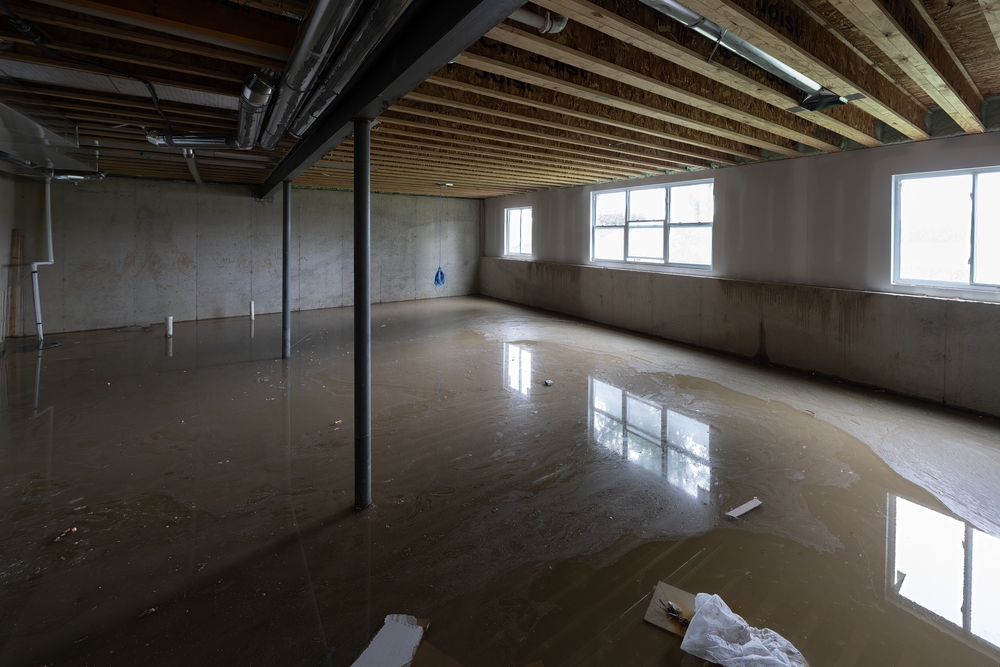
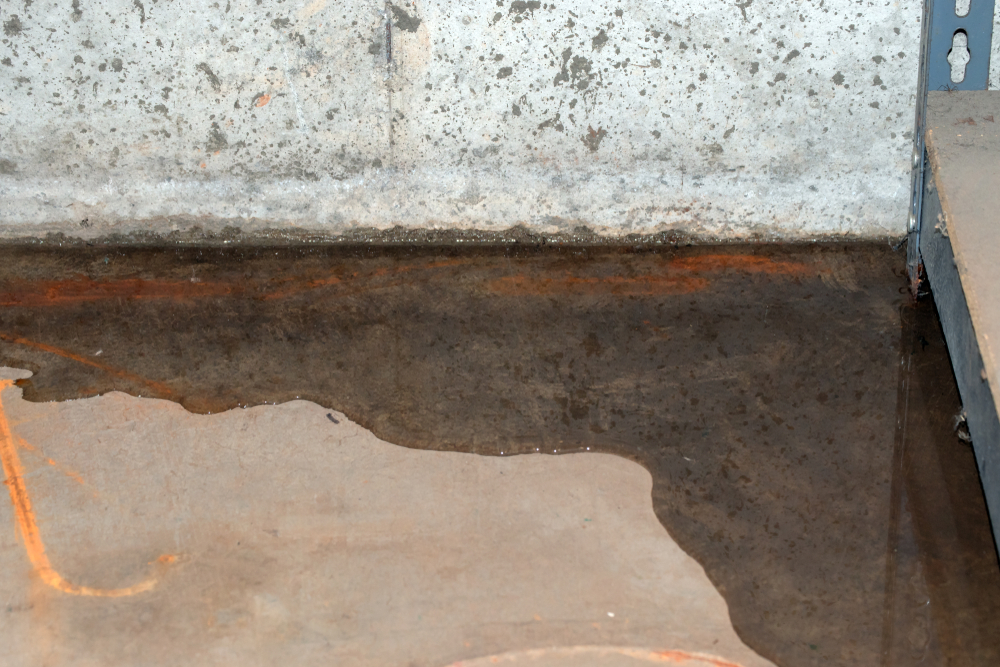
Water in your basement can be an alarming sight. If you’ve noticed water seeping through your basement floor, it’s easy to jump to the conclusion that there’s a major problem with your foundation. However, basement water seepage isn’t always a clear indicator of foundation issues. Before you panic or make costly decisions, it’s important to understand the various causes of water in basement floors and how to identify whether it truly stems from a foundation problem.
Understanding Basement Water Seepage
Basement water seepage is a common problem for homeowners, and it can occur in a variety of ways. While water can seep through cracks or gaps in your basement’s foundation walls, it can also enter through the concrete floor. Understanding where the water is coming from is the first step in diagnosing the issue and determining whether or not your foundation is at fault.
There are many factors that can lead to water in basement floors, including plumbing leaks, improper drainage, and high groundwater levels. While some of these problems are easy to fix, others may require professional help. One of the most important things to consider when dealing with water seepage is identifying the source. If you notice the water pooling in certain areas or showing up after heavy rainfall, it’s more likely related to drainage issues than a foundation problem.
How to Identify Foundation Issues
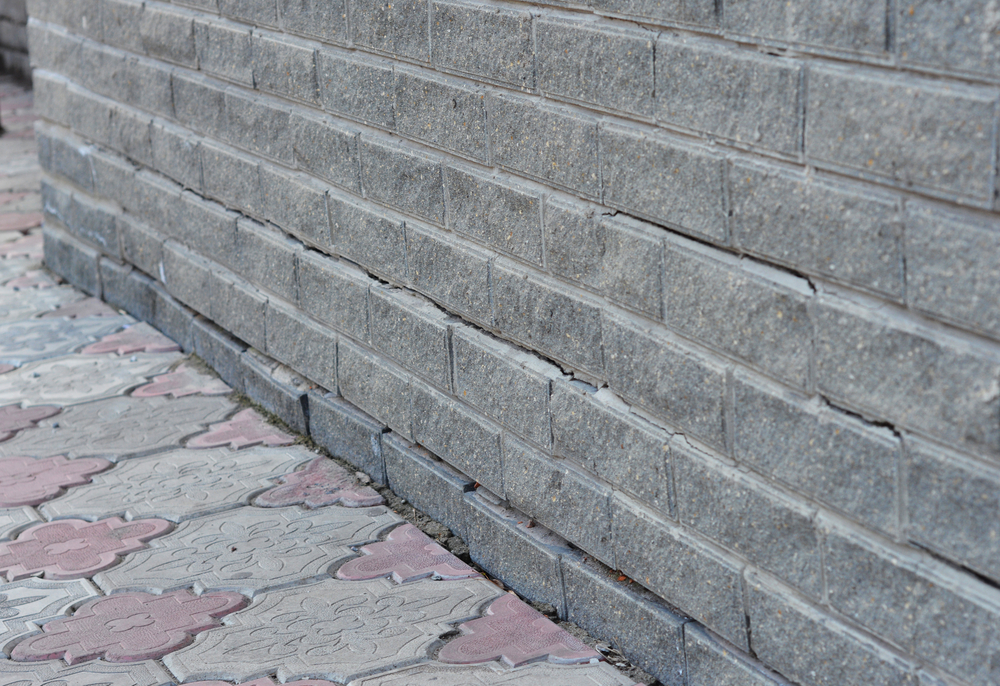
While basement water seepage can be a sign of foundation issues, it’s not always the case. Foundation problems are typically accompanied by other signs, such as cracks in the walls, uneven floors, or doors and windows that no longer close properly. If you’re only noticing water in the basement and there are no other visible signs of structural damage, it may not be a foundation issue after all.
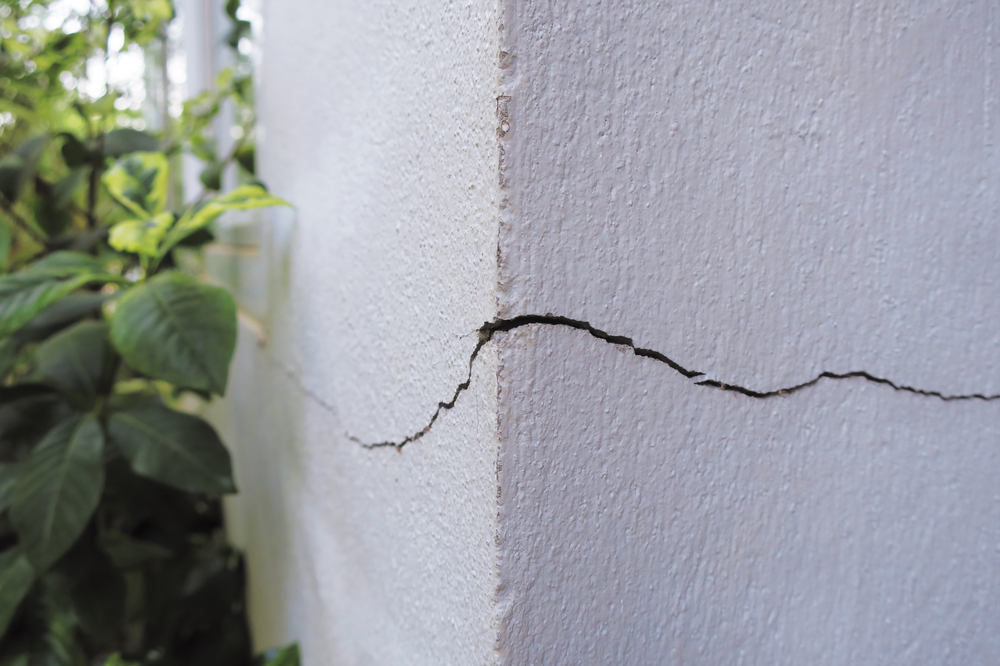
Foundation issues that lead to water seepage usually involve cracks in the foundation walls or floors, allowing water to penetrate from the outside. These cracks are often caused by the settling of the house, which can result in shifts and movement in the foundation. If your foundation has large or visible cracks, especially if they seem to be getting worse over time, this could point to a more serious issue. On the other hand, small cracks or hairline fractures are common in concrete floors and walls and do not always indicate a major problem.
When assessing whether the water is related to foundation issues, it’s important to consider the age of your home. Older homes, particularly those with concrete or stone foundations, are more susceptible to small cracks that allow water to seep through. Newer homes with poured concrete foundations are generally less likely to experience significant water seepage, but they are not immune to the issue either.
Common Causes of Water Seepage in the Basement
One of the most common causes of water seepage in basement floors is poor drainage. If the ground around your home slopes toward the foundation, water can collect around the base of the walls and floor, eventually finding its way into your basement. Additionally, clogged gutters and downspouts can direct water down the sides of your house, contributing to water accumulation in the basement.
Improper grading around your home’s foundation is another common cause of basement water seepage. If the soil around your house isn’t properly sloped away from the foundation, water can easily collect near the basement walls and seep through the floor. In some cases, the installation of a French drain or the regrading of the yard can help alleviate the issue.
Plumbing leaks are also a major cause of water in basement floors. These leaks can come from the pipes in the basement, which may be old or corroded, or from exterior pipes that run near the foundation. If you notice water near a specific pipe or plumbing fixture, it’s a good idea to have a professional plumber inspect the system for leaks. In this case, the water seepage would be unrelated to foundation issues and would simply require a repair to the plumbing system.
Another common cause of basement water seepage is high groundwater levels. If you live in an area with a high water table, the groundwater may naturally rise and enter your basement. This is especially common during periods of heavy rainfall or snowmelt, as the ground becomes saturated with water. High groundwater levels can lead to a constant presence of water in the basement, even if your foundation is intact.
What to Do About Concrete Floor Leaks
If you’ve identified that the water in your basement is coming from the concrete floor, it’s essential to take the right steps to address the issue. Concrete floor leaks are often a result of poor construction, especially in older homes. Over time, the concrete may crack or become porous, allowing water to seep through. While concrete is a durable material, it’s not impervious to water, and leaks can occur if the floor is not adequately sealed.
The first step in addressing concrete floor leaks is to assess the severity of the problem. If the leaks are minor and only occur after heavy rainfall, a temporary fix may involve using a waterproofing solution specifically designed for concrete floors. These products can help seal small cracks and prevent water from seeping through. However, if the leaks are more severe or persistent, you may need to consider a more permanent solution, such as professional basement waterproofing.
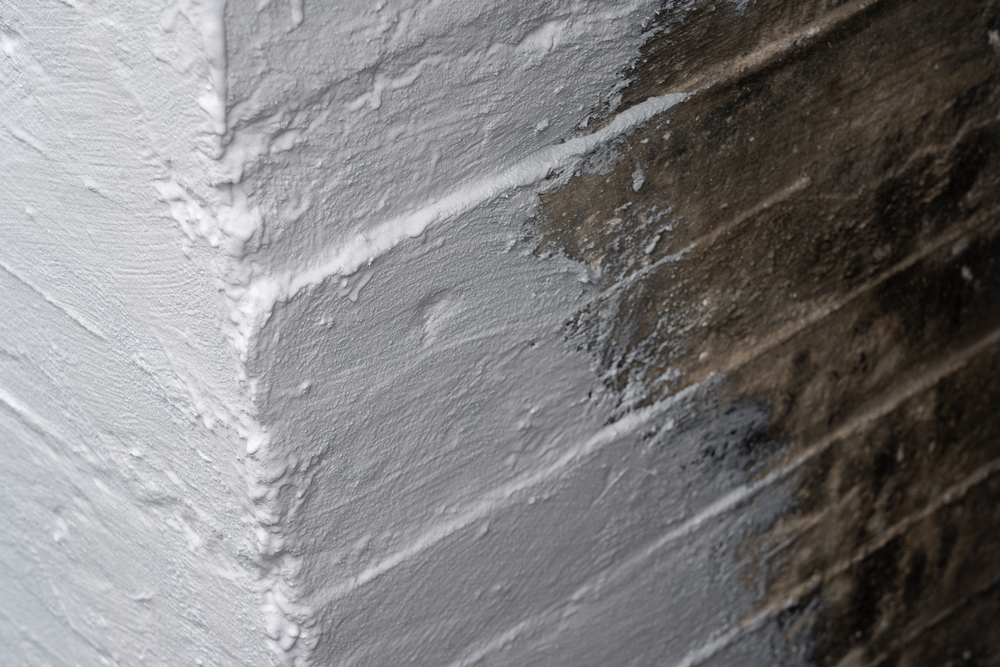
Basement waterproofing is an effective way to address both foundation-related and non-foundation-related water seepage. This process involves applying a water-resistant barrier to the basement walls and floor to prevent moisture from entering the space. It can include interior and exterior solutions, depending on the source of the water. Interior waterproofing typically involves applying sealants to the walls and floor, while exterior waterproofing may involve digging around the foundation to apply a waterproof membrane.
If you suspect that the water in your basement is coming from a foundation issue, a professional foundation repair contractor can assess the situation and recommend appropriate solutions. Depending on the extent of the damage, the repair may involve crack injections, underpinning, or the installation of drainage systems to direct water away from the foundation.
When to Call a Professional for Basement Waterproofing or Foundation Repairs
If you’re dealing with basement water seepage and are unsure whether it’s caused by foundation issues or another problem, it’s always a good idea to call a professional for an assessment. A waterproofing expert or foundation contractor can inspect your home and determine the root cause of the issue. If the problem is related to poor drainage or plumbing, they can suggest cost-effective solutions like repairing the drainage system or fixing leaks in the plumbing.
On the other hand, if the water is due to foundation issues, a foundation repair specialist can assess the damage and recommend the appropriate repairs. Addressing foundation problems early is critical to preventing more severe damage down the road. Foundation repairs can be expensive, but they’re often less costly if caught early before the damage worsens.
It’s also important to note that while basement waterproofing can help reduce the amount of water that enters your basement, it may not completely solve the problem if the source of the water is related to a foundation issue. In these cases, addressing the foundation first and then waterproofing may be the best approach.
Conclusion
Water seepage through your basement floor is a concerning issue that every homeowner should take seriously. While it’s often associated with foundation problems, it’s important to evaluate other potential causes of the water, such as poor drainage, plumbing leaks, or high groundwater levels. Understanding the source of the water is essential in determining the best course of action.
If you’re unsure whether the water in your basement is a result of foundation issues, it’s always a good idea to consult a professional. They can assess the situation, identify the source of the seepage, and recommend the appropriate solution. Whether it’s waterproofing, foundation repair, or addressing drainage issues, there are solutions available to help keep your basement dry and your home protected.
Need The Best Foundation Crack Repair Specialist Near You?
At Done Right Services, we’ve been the trusted name in masonry since 1998, offering top-notch stone foundation repairs, crack repairs, and basement waterproofing throughout Massachusetts and New Hampshire. Our team of experts is dedicated to restoring your home’s foundation and ensuring your basement stays dry and safe. With our lifetime warranty and 15-year money-back guarantee on all concrete foundation services, you can trust that we’ll handle your needs with precision and care. Don’t let water leaks or foundation issues damage your home—reach out to us and experience the Done Right difference today!
When it comes to maintaining the integrity and comfort of your home, waterproofing your basement should be a top priority. A dry basement not only protects your foundation from the damaging effects of water but also helps to prevent mold growth, structural damage, and costly repairs down the line. In this blog post, we will explore the best methods for basement waterproofing, providing you with useful tips to ensure your basement stays dry and safe for years to come.
Why Waterproofing Your Basement is Essential
Basements are often the most vulnerable part of a house when it comes to water damage. Located below ground level, they are at a higher risk of flooding due to rising groundwater, heavy rainfall, or even plumbing issues. Without proper waterproofing, these conditions can cause water to seep into your basement, leading to moisture problems that can compromise the structural integrity of your foundation. The damage might not always be visible at first, but over time, water infiltration can lead to cracks in the foundation, wooden beam rot, and even mold infestations, which can severely affect indoor air quality. Furthermore, a damp basement is an ideal environment for pests, including termites, that thrive in moist conditions.
Waterproofing your basement ensures that your home’s foundation is safeguarded against these threats. Not only does it protect the structural integrity of your home, but it also provides peace of mind knowing that your living space remains free from the harmful effects of excess moisture. With the right techniques, you can effectively prevent basement water damage and maintain a dry, healthy living space.
Foundation Waterproofing: The First Line of Defense
When it comes to waterproofing your basement, foundation waterproofing should be one of your first considerations. This method focuses on protecting the exterior of the foundation from moisture infiltration by applying a waterproof barrier around the perimeter. Foundation waterproofing typically involves the application of sealants or membranes that block water from entering the structure.
A crucial step in foundation waterproofing is inspecting the foundation for existing cracks and fissures. These gaps can allow water to enter the basement, even if the overall foundation is otherwise sound. Depending on the severity of the cracks, they can be filled with epoxy or polyurethane injections that help to seal and stabilize the foundation. Once these cracks are addressed, a layer of waterproofing membrane is applied to the exterior walls. These membranes can be made of various materials, such as bituminous or rubberized compounds, and are designed to prevent water from penetrating the foundation walls.
One of the key benefits of foundation waterproofing is its ability to keep groundwater from seeping into the basement. The exterior membrane acts as a barrier that prevents moisture from infiltrating the foundation even during periods of heavy rainfall or high water tables. While this solution can be more costly than other waterproofing methods, it is considered one of the most effective long-term approaches to waterproofing a basement.
Interior Waterproofing Solutions: Quick and Effective Fixes
While foundation waterproofing provides long-lasting protection, it can be a more invasive and expensive process. If you are looking for a more affordable solution, interior waterproofing can be an effective way to control basement moisture. This method focuses on managing water infiltration that has already entered the basement, preventing further damage to the living space.
Interior waterproofing typically involves installing a drainage system to redirect water away from the basement. A common solution is to install a sump pump, which collects water that accumulates in the basement and pumps it out of the home. Sump pumps are often placed in a sump pit, which is strategically located at the lowest point of the basement to capture water before it can spread throughout the area. If you have a basement with a high water table or a history of flooding, a sump pump is a must-have appliance to prevent water damage.
In addition to sump pumps, installing a French drain is another popular interior waterproofing method. A French drain is essentially a perforated pipe buried in gravel that allows water to flow into the pipe and away from the foundation. This system works by directing the water from the foundation to a safe discharge point, typically the exterior of the house or a storm drain. French drains are highly effective at preventing water from pooling inside the basement, keeping the space dry even during heavy rain.
Other interior waterproofing options include the use of waterproof coatings and sealants that are applied directly to the basement walls and floors. These coatings form a barrier that prevents water from seeping through the concrete or masonry. While these coatings can provide temporary relief from water intrusion, they are not always as durable as other methods, and they may need to be reapplied over time.
Bulkhead Waterproofing: Sealing Entry Points
Another important aspect of basement waterproofing is bulkhead waterproofing. Bulkheads, also known as basement entryways or bulkhead doors, are external openings that provide access to the basement from the outside. These entry points are often overlooked when it comes to waterproofing, yet they can be a significant source of water infiltration if not properly sealed.
The first step in bulkhead waterproofing is to inspect the bulkhead doors for any signs of wear and tear. Over time, the door seals can deteriorate, allowing water to seep into the basement. If the bulkhead door is old or damaged, it may need to be replaced entirely. In some cases, simply resealing the door and applying a fresh coat of waterproofing paint can restore the barrier and prevent water from entering.
Another common solution for bulkhead waterproofing is the installation of a bulkhead door cover or shield. These covers are designed to fit over the exterior door and act as an additional layer of protection against rain, snow, and ice. They are particularly useful in areas where heavy rainfall or snowmelt is common, as they provide extra protection during stormy weather.
In addition to covering the bulkhead door, it’s important to address the surrounding area to prevent water from collecting around the entryway. This can be done by ensuring that the ground slopes away from the bulkhead to direct water away from the opening. If the soil around the bulkhead is compacted or poorly drained, consider adding a layer of gravel or sand to improve drainage and prevent water buildup.
Ongoing Maintenance: Keeping Your Basement Dry
Waterproofing your basement is not a one-time task. Regular maintenance is essential to ensure that your basement remains dry and protected from water damage. Periodically check your basement for any signs of moisture or water intrusion, such as damp spots, musty odors, or visible mold growth. If you notice any issues, take immediate action to address the problem before it escalates.
It’s also important to maintain the drainage systems in place, such as sump pumps and French drains. Regularly inspect the sump pump to ensure it is functioning properly and that the drainage pipes are clear of debris. If the pump is old or worn out, consider replacing it to prevent failure during periods of heavy rain.
Additionally, check the foundation regularly for any new cracks or signs of shifting. If you find any cracks, it’s important to seal them as soon as possible to prevent water from entering. Keep the area around your home’s foundation clear of debris and ensure that gutters and downspouts are properly functioning to direct water away from the foundation.
Conclusion
Waterproofing your basement is a crucial step in maintaining a safe, dry, and healthy living environment. Whether you choose foundation waterproofing, interior solutions, or bulkhead waterproofing, each method plays a role in protecting your home from the damaging effects of water. By investing in proper waterproofing techniques and performing regular maintenance, you can ensure that your basement stays dry and secure for many years to come.
Need The Best Foundation Crack Repair Specialist Near You?
At Done Right Services, we’ve been the trusted name in masonry since 1998, offering top-notch stone foundation repairs, crack repairs, and basement waterproofing throughout Massachusetts and New Hampshire. Our team of experts is dedicated to restoring your home’s foundation and ensuring your basement stays dry and safe. With our lifetime warranty and 15-year money-back guarantee on all concrete foundation services, you can trust that we’ll handle your needs with precision and care. Don’t let water leaks or foundation issues damage your home—reach out to us and experience the Done Right difference today!
When it comes to home maintenance, many homeowners focus on the more visible aspects, such as repainting walls, fixing leaks, or updating appliances. However, one of the most critical aspects of maintaining the integrity of a home is often overlooked: foundation crack repair. Cracks in the foundation can signal underlying issues that, if left unaddressed, can lead to serious damage to your home. Whether they appear in the basement, crawl space, or exterior of the property, foundation cracks should be taken seriously to ensure the safety and longevity of your home. In this blog post, we’ll explore why fixing foundation cracks is so important and how basement crack repair can prevent more costly and extensive repairs in the future.
The Hidden Dangers of Foundation Cracks
Foundation cracks can often be a sign of more significant structural problems. A foundation supports the entire structure of your home, so when it is compromised, everything else in the house can suffer as well. Cracks can appear due to a variety of reasons, such as natural settling of the house, changes in soil moisture, or extreme weather conditions. Even though these cracks may seem small at first, they can grow over time and cause issues that affect the stability of your home.
One of the most concerning risks of foundation cracks is water infiltration. Water can seep into the cracks and begin to erode the foundation further, weakening its structure. When water enters the foundation, it can also cause mold growth, which can lead to health problems for you and your family. In the basement, which is often the area most prone to moisture, cracks in the foundation can lead to flooding, which can damage your belongings and create a hazardous living environment.
In addition to water damage, foundation cracks can also affect the structural integrity of the entire home. If left untreated, the cracks may expand and cause uneven floors, sticking doors and windows, and even walls that begin to bow or shift. Over time, these problems can worsen, leading to costly repairs that could have been avoided with early foundation crack repair.
Early Detection and Prevention
One of the most important steps in protecting your home from the dangers of foundation cracks is early detection. Regular inspections of your home’s foundation can help you identify small cracks before they turn into large, expensive issues. If you notice any cracks in the walls, floors, or ceiling, it’s crucial to have them evaluated by a professional as soon as possible. Many foundation repair specialists can identify the root cause of the cracks, whether it’s settling, moisture problems, or another factor, and recommend the best course of action for repair.
It’s also important to regularly check for signs of water damage in the basement. If you notice damp spots, musty smells, or pools of water, this could be an indication that foundation cracks are allowing water to seep in. Basement crack repair is essential in this case to prevent further water damage, which could lead to mold and mildew growth or even structural damage. Catching these issues early can save you from major expenses down the line and ensure the health of your home.
The Process of Foundation Crack Repair
When it comes to repairing foundation cracks, there are several methods available depending on the severity and cause of the cracks. Minor cracks may simply need sealing, which can prevent further water infiltration and keep the structure intact. More serious cracks, however, may require more extensive repairs such as epoxy injections, polyurethane foam injections, or the installation of piers to stabilize the foundation.
Epoxy injection is a common method used to seal cracks in foundation walls. This involves injecting a special epoxy resin into the cracks, which then hardens and bonds the crack together. This method is particularly effective for fixing small to medium cracks that have not yet caused significant damage to the foundation. It helps to restore the foundation’s integrity by preventing moisture from entering and causing further erosion.
For larger cracks or more severe foundation issues, other methods such as polyurethane foam injection may be used. Polyurethane foam is injected into the cracks, where it expands to fill the gaps and prevent water from entering. This method is especially useful when dealing with active leaks or cracks that are still shifting. In cases where the foundation has shifted or settled significantly, piers may be installed to lift and stabilize the foundation.
Regardless of the method used, professional foundation crack repair should always be performed by an experienced contractor. A professional will have the knowledge and tools necessary to accurately assess the severity of the cracks and determine the most effective repair method. Attempting to fix foundation cracks without the proper expertise could result in further damage and make the situation worse.
The Cost of Ignoring Foundation Cracks
One of the most compelling reasons to address foundation cracks early is the cost savings. While foundation crack repair may seem like an expensive upfront investment, ignoring the problem can lead to far higher costs in the long run. As cracks worsen, they can cause more extensive damage to the home, requiring major repairs that can cost thousands of dollars. For instance, if water is allowed to continue entering through cracks in the basement, it can lead to flooding, which may damage furniture, appliances, and personal belongings. In some cases, a full basement waterproofing system may need to be installed to prevent further issues, which can be a much more expensive solution than fixing the cracks in the first place.
Additionally, structural problems caused by foundation cracks can worsen over time, affecting the entire framework of your home. This can lead to the need for costly structural repairs, including replacing beams, posts, or even entire sections of the foundation. By addressing foundation cracks early, you can prevent these larger issues from arising and keep repair costs to a minimum.
In some cases, neglecting foundation crack repair can even reduce the value of your home. If you decide to sell your home, prospective buyers will likely be concerned about the condition of the foundation. A home with visible cracks or evidence of water damage can be a red flag for buyers, causing them to either back out of the deal or request a significant price reduction. Fixing foundation cracks not only ensures the safety and stability of your home, but it also helps preserve its value.
The Long-Term Benefits of Foundation Crack Repair
Beyond preventing immediate damage and costs, foundation crack repair offers long-term benefits that can help maintain the value and comfort of your home for years to come. When the foundation is secure and stable, the rest of the house will benefit as well. Doors and windows will open and close properly, floors will remain level, and walls will stay straight. By addressing foundation cracks, you’re also enhancing the overall safety of your home.
Moreover, repairing foundation cracks can help improve energy efficiency. Cracks in the foundation can lead to drafts, which can make it harder to maintain a consistent temperature in your home. Sealing these cracks ensures that your home is better insulated, reducing the strain on your heating and cooling systems and helping to lower your energy bills.
In addition to these practical benefits, addressing foundation cracks early can also give you peace of mind. Knowing that your home is structurally sound and protected from water damage can help you feel more comfortable and secure in your living space. With foundation crack repair, you can avoid the stress of dealing with larger, more costly repairs in the future and ensure that your home remains a safe and stable place for you and your family.
Conclusion
Foundation cracks are not an issue to ignore. They can lead to significant problems, including water damage, structural instability, and costly repairs. By addressing foundation cracks early through professional repair methods, you can protect your home from these dangers and enjoy the long-term benefits of a stable, secure living environment. If you notice any signs of foundation damage, don’t hesitate to consult with a professional to assess the situation and determine the best course of action. Your home’s foundation is the backbone of its structure, and keeping it in good condition is essential for the safety and longevity of your property.
Need The Best Foundation Crack Repair Specialist Near You?
At Done Right Services, we’ve been the trusted name in masonry since 1998, offering top-notch stone foundation repairs, crack repairs, and basement waterproofing throughout Massachusetts and New Hampshire. Our team of experts is dedicated to restoring your home’s foundation and ensuring your basement stays dry and safe. With our lifetime warranty and 15-year money-back guarantee on all concrete foundation services, you can trust that we’ll handle your needs with precision and care. Don’t let water leaks or foundation issues damage your home—reach out to us and experience the Done Right difference today!
A solid foundation is the cornerstone of any home. It ensures structural integrity and helps prevent long-term damage. Over time, however, various factors like shifting soil, water damage, and seasonal weather changes can affect the foundation of your home. It’s crucial to preserve the foundation of your house, as even minor issues can lead to significant and expensive repairs. Foundation repair is often costly, and foundation crack repair can be a time-consuming process. This is why it is important to take preventative steps to maintain the health of your home’s foundation. In this article, we will explore several tips to preserve the foundation of your home, keeping it safe and strong for years to come.
Understanding the Importance of Foundation Maintenance
Your home’s foundation is much more than just the base on which it sits. It is an essential part of your home’s structural system, supporting the walls, floors, and roof. The foundation absorbs the weight of the entire house and distributes it evenly across the ground. In this process, it also prevents the house from sinking, shifting, or tilting. If the foundation is compromised, the structural stability of the entire house can be at risk. Foundation repair and foundation crack repair are expensive and complex processes that can disrupt your life. However, with proper maintenance, you can avoid these issues altogether.
A good foundation is key to preventing issues like uneven floors, cracks in the walls, doors that don’t close properly, and in the worst cases, the need for major structural repairs. This is why taking preventive steps is essential for homeowners. Proper care and attention to your foundation will extend its lifespan and help avoid the need for costly foundation repair down the road. In the following sections, we’ll go over some steps that can keep your foundation strong and prevent any unwanted problems.
Regularly Check for Foundation Cracks
Foundation cracks are one of the most common signs that your home’s foundation may be under stress. These cracks can appear in various forms, such as vertical, horizontal, or diagonal, and they can often be a signal of shifting soil or water damage. It is important to conduct regular inspections of your foundation to identify any potential issues early on. Even small cracks can expand over time, leading to larger problems if left unaddressed. By checking for these cracks early, you can prevent the need for more extensive and expensive foundation crack repair later.
During your inspection, focus on areas where cracks are more likely to form. Look around the perimeter of your home and in the basement or crawl space for visible signs of cracks in the concrete. Pay close attention to any signs of water seepage as well. Water intrusion can weaken the foundation over time and lead to further damage. If you find cracks, especially if they are widening or increasing in number, it’s important to contact a foundation repair expert who can assess the situation and recommend the appropriate solution.
Control Water Drainage Around Your Home
Water is one of the most damaging elements to the foundation of a home. Proper drainage is key to ensuring that excess water does not collect around the foundation, which can lead to soil erosion, shifting, and weakening of the foundation. Ideally, water should be directed away from the foundation, allowing it to flow freely and prevent any pooling. Poor drainage systems or improperly functioning gutters can result in water accumulating near the foundation, causing significant issues over time.
Start by inspecting your gutters and downspouts to make sure they are free from clogs and debris. Clean them regularly to ensure water can flow freely through them. Also, check that the downspouts direct water away from the foundation, ideally at least 6 to 10 feet away. This prevents water from settling near the base of the home, reducing the risk of water-related foundation problems. Additionally, make sure the soil around your home slopes away from the foundation. This helps water to naturally flow away from the house, keeping your foundation dry and protected.
If you live in an area prone to heavy rainfall or flooding, consider installing a French drain or sump pump system around your home. These systems help divert water away from the foundation and prevent it from accumulating around the base of your house. Investing in proper water drainage solutions can go a long way in preserving the integrity of your foundation.
Maintain the Foundation’s Moisture Levels
While excessive moisture around your home’s foundation can lead to serious problems, the opposite is also true. A foundation that becomes too dry can shrink and crack, leading to structural instability. This is particularly common in areas with periods of drought or where soil tends to dry out quickly. When soil beneath the foundation dries out and shrinks, the weight of the house can cause the foundation to shift, potentially leading to cracks.
To maintain a balanced moisture level, it’s important to water the soil around your foundation, especially during dry periods. However, be cautious not to overwater, as this can lead to the opposite issue of excess moisture. The goal is to keep the soil around the foundation evenly moist, which helps it maintain its stability and prevents any unnecessary shifting or cracking.
In addition to watering the foundation’s perimeter, you can also consider installing a moisture barrier around the base of your home. This helps to regulate moisture levels and prevents extreme fluctuations that could lead to foundation damage. A moisture barrier will keep the soil from drying out too quickly or becoming overly saturated during periods of heavy rain, helping to maintain a stable environment around your foundation.
Address Tree and Shrub Roots Around Your Foundation
Another often-overlooked factor in foundation maintenance is the impact of tree and shrub roots on the foundation. As trees and large shrubs grow, their roots can extend deep into the ground, potentially causing damage to your foundation. Roots can exert pressure on the foundation, causing cracks and shifting, especially if they are growing too close to the structure. In some cases, the roots may even invade the foundation and create pathways for water to seep in.
To avoid this, ensure that trees and shrubs are planted at a safe distance from the foundation. In general, large trees should be planted at least 10 to 15 feet away from the house, while smaller shrubs can be placed a little closer. This distance will help ensure that the roots do not interfere with the foundation and reduce the risk of damage.
If you notice that tree roots are growing near the foundation, it’s important to address the issue early. Consider consulting with a professional landscaper or foundation repair expert who can assess the situation and suggest appropriate measures. You may need to remove trees or install root barriers to prevent further damage.
Conclusion
Preserving the foundation of your home is critical for maintaining its overall structural integrity. Regularly inspecting the foundation for cracks, ensuring proper water drainage, maintaining balanced moisture levels, and keeping tree roots in check are all essential steps to take in order to prevent costly foundation repair or foundation crack repair in the future. By being proactive and diligent in these areas, you can protect your home from the risks that threaten its foundation, keeping it strong and safe for years to come.
Remember, your home’s foundation is not something that can be ignored. Small issues can quickly escalate into major problems if left unaddressed. By following these simple but effective tips, you’ll be doing everything you can to preserve your home’s foundation and protect your investment.
Need The Best Foundation Crack Repair Specialist Near You?
At Done Right Services, we’ve been the trusted name in masonry since 1998, offering top-notch stone foundation repairs, crack repairs, and basement waterproofing throughout Massachusetts and New Hampshire. Our team of experts is dedicated to restoring your home’s foundation and ensuring your basement stays dry and safe. With our lifetime warranty and 15-year money-back guarantee on all concrete foundation services, you can trust that we’ll handle your needs with precision and care. Don’t let water leaks or foundation issues damage your home—reach out to us and experience the Done Right difference today!
Winter is a beautiful time of year, with its snowy landscapes and cozy atmosphere, but when spring begins to arrive, the melting snow can pose serious challenges for homeowners. As the snow begins to thaw, water has the potential to seep into your basement, leading to dampness, water damage, and even mold growth. Fortunately, there are ways to prevent this issue and protect your basement from the harmful effects of melting snow. Effective basement waterproofing is crucial for maintaining the integrity of your home and ensuring that the space remains dry and safe. In this article, we will explore how to mitigate the risk of melting snow entering your basement and offer tips for effective home waterproofing solutions.
The Importance of Basement Waterproofing
Basement waterproofing is an essential aspect of maintaining a healthy and functional home, particularly in areas where winter weather is harsh and snow accumulation is significant. When snow melts, it turns into water, and if not properly managed, this water can quickly find its way into your basement. The weight of snow can also put stress on your home’s foundation, causing cracks that create pathways for water to enter. If left unchecked, this moisture can lead to mold, mildew, and structural damage, all of which can be costly to repair. Basement waterproofing systems are designed to prevent water from infiltrating your basement, and they are particularly important during the winter-to-spring transition when melting snow is a constant concern.
Proper basement waterproofing involves addressing both the outside and inside of your home. This means taking preventative steps to manage water drainage around your foundation, ensuring that your basement walls are sealed, and installing systems that can direct water away from your home. For those who experience frequent basement flooding or water seepage due to melting snow, addressing these issues can save you a significant amount of money and stress in the long run.
Assessing the Source of Water Entry
Before diving into basement waterproofing techniques, it is important to first assess where the water is coming from. When snow begins to melt, it creates runoff that can accumulate around the perimeter of your home. The first place to check is your gutters and downspouts. Clogged or damaged gutters can cause water to overflow, leading to puddles that pool near your foundation. Over time, this can saturate the soil around your basement and increase the likelihood of water seepage. Ensure that your gutters are clear and in good condition before the snow begins to melt, and consider installing extensions on your downspouts to direct water further away from your home.
The grading around your home also plays a critical role in water management. Ideally, the ground around your foundation should slope away from the house to allow water to flow away from your basement. If the grading is poor, water will collect at the base of the foundation and may seep through cracks or gaps in the basement walls. If you notice any low spots or areas where water tends to collect, it is important to correct the grading by adding soil to improve the slope.
Sealing Cracks and Gaps in the Foundation
One of the most effective ways to prevent melting snow from entering your basement is to seal any cracks or gaps in your foundation. Over time, even small cracks can allow water to seep through, especially during periods of heavy snowmelt or rain. Identifying and repairing these cracks before they become larger is essential for maintaining a dry basement. Begin by conducting a thorough inspection of your basement walls and foundation. Look for visible cracks, gaps, or areas where water may have previously entered. Keep in mind that the cold winter temperatures can cause foundations to contract and expand, leading to new cracks or widening existing ones. Even minor cracks should be addressed promptly to avoid potential water infiltration.
Once you have identified any cracks or gaps, use a high-quality sealant designed for foundation repair. There are several types of sealants available, including epoxy injections and polyurethane-based products, both of which provide durable, waterproof seals. If you are unsure of the best sealant for your specific needs, consider consulting with a professional who specializes in basement waterproofing. They can recommend the best solution based on the age of your home, the condition of your foundation, and the severity of the cracks.
In addition to sealing cracks, you should also inspect the window wells around your basement. These areas are common entry points for water and should be properly sealed and maintained. Ensure that window wells are clear of debris and that they are deep enough to direct water away from the window. If necessary, install covers to prevent water from accumulating in the wells during snowmelt.
Installing a Sump Pump System
In addition to sealing cracks and improving water drainage, another crucial element of basement waterproofing is installing a sump pump system. A sump pump is a device designed to collect and pump out water that accumulates in a sump pit, typically located in the lowest part of the basement. During periods of heavy snowmelt or rain, a sump pump can effectively remove water from your basement and direct it away from your home’s foundation.
There are different types of sump pumps available, including submersible and pedestal pumps. A submersible sump pump is installed in the sump pit and is completely submerged when operating, while a pedestal pump is mounted above the pit and uses a long hose to direct water. Submersible pumps tend to be more efficient and are often preferred for homes with a high risk of water accumulation. Regardless of the type, make sure that your sump pump is properly sized for your basement and is equipped with a backup power source in case of a power outage. Many sump pumps also come with alarms to alert you if the water level becomes too high or if the pump is malfunctioning.
In addition to the sump pump itself, it is important to regularly check and maintain the system to ensure it operates effectively when needed. This includes cleaning the sump pit, checking the pump for any debris, and testing the system to confirm that it is functioning properly. If you are unsure of how to maintain your sump pump, it is worth consulting with a professional who specializes in basement waterproofing to perform an annual inspection.
Long-Term Solutions for Home Waterproofing
While the steps outlined above can help mitigate the risk of water entering your basement during snowmelt, it is also important to consider long-term solutions for home waterproofing. These solutions focus on addressing the root causes of water infiltration and providing ongoing protection for your basement. For example, installing a French drain system around the exterior of your home can help to divert water away from your foundation. A French drain consists of a perforated pipe surrounded by gravel, which allows water to flow into the pipe and be directed away from your home. This is particularly useful for homes located in areas with heavy snowfall or poor drainage.
Another long-term solution is the installation of an exterior waterproofing membrane. This membrane is applied to the outside of your foundation walls to create a water-resistant barrier. When combined with proper grading and drainage, an exterior waterproofing membrane can significantly reduce the likelihood of water entering your basement, even during periods of heavy snowmelt.
Additionally, interior waterproofing solutions, such as the installation of waterproof paint or membranes on basement walls, can provide an added layer of protection against water infiltration. These products create a barrier that prevents water from seeping through the walls, while also allowing moisture to evaporate if it does accumulate.
Conclusion
Protecting your basement from melting snow is an essential part of maintaining a dry and healthy home. By addressing the sources of water entry, sealing cracks in the foundation, installing a sump pump system, and considering long-term waterproofing solutions, you can minimize the risk of water infiltration and prevent the costly damages associated with basement flooding. Home waterproofing is an investment in the longevity of your home, and by taking the necessary steps to prevent water from entering your basement, you are ensuring that your home remains safe, dry, and comfortable for years to come.
Need The Best Foundation Crack Repair Specialist Near You?
At Done Right Services, we’ve been the trusted name in masonry since 1998, offering top-notch stone foundation repairs, crack repairs, and basement waterproofing throughout Massachusetts and New Hampshire. Our team of experts is dedicated to restoring your home’s foundation and ensuring your basement stays dry and safe. With our lifetime warranty and 15-year money-back guarantee on all concrete foundation services, you can trust that we’ll handle your needs with precision and care. Don’t let water leaks or foundation issues damage your home—reach out to us and experience the Done Right difference today!