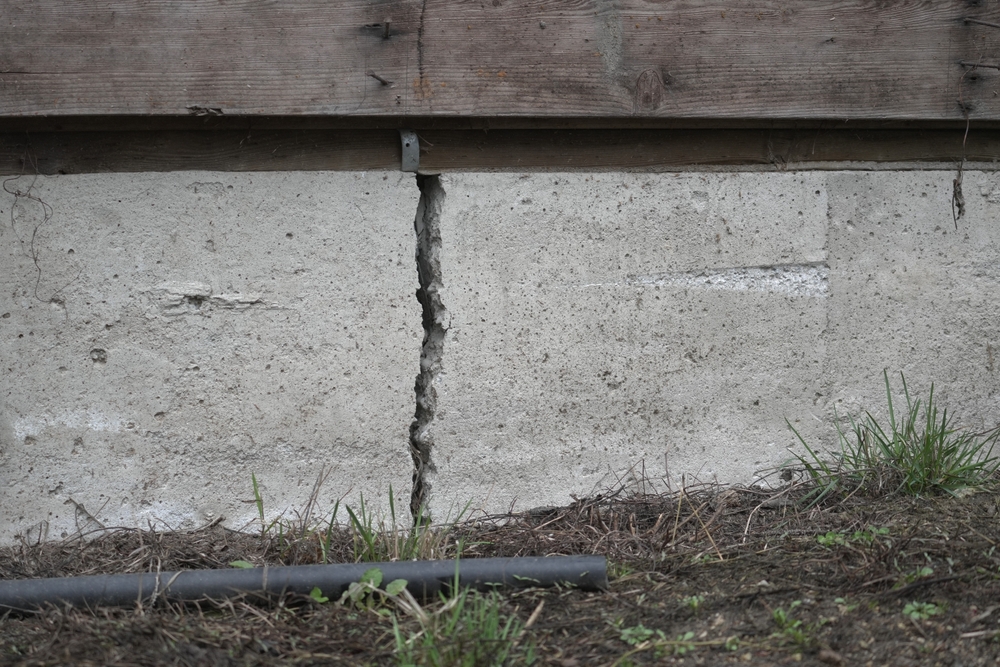
A wet basement is a homeowner’s nightmare, and rightly so. Water intrusion can lead to extensive property damage, structural deterioration, and the growth of harmful mold and mildew. But not all moisture issues stem from leaks—sometimes, what appears to be a serious problem is merely the result of condensation. Determining the source of basement moisture is critical to applying the correct solution. Misidentifying condensation as a leak (or vice versa) can lead to wasted time, effort, and money. This blog will guide you through the subtle but essential distinctions between basement condensation and leaks, and help you take the right steps toward resolving basement water problems effectively.
The Nature of Moisture in Basements
Moisture in a basement can result from two primary causes: water coming in from the outside (leaks), or water forming inside due to temperature and humidity differences (condensation). Understanding the mechanics of each helps clarify which problem you’re dealing with.
Leaks occur when water from rain, groundwater, or plumbing penetrates the basement through cracks, gaps, or porous materials. They often manifest during or after periods of precipitation or plumbing malfunctions. Leaks can be persistent and may worsen over time as water continually seeks the path of least resistance into your basement.
Condensation, on the other hand, is an indoor phenomenon. When warm, humid air comes into contact with cool surfaces, like foundation walls or water pipes, the air cools and releases moisture in the form of water droplets. This is especially common during warm months when air conditioning systems create stark temperature differentials between the indoor air and the basement’s colder surfaces.
Key Indicators of a Leak
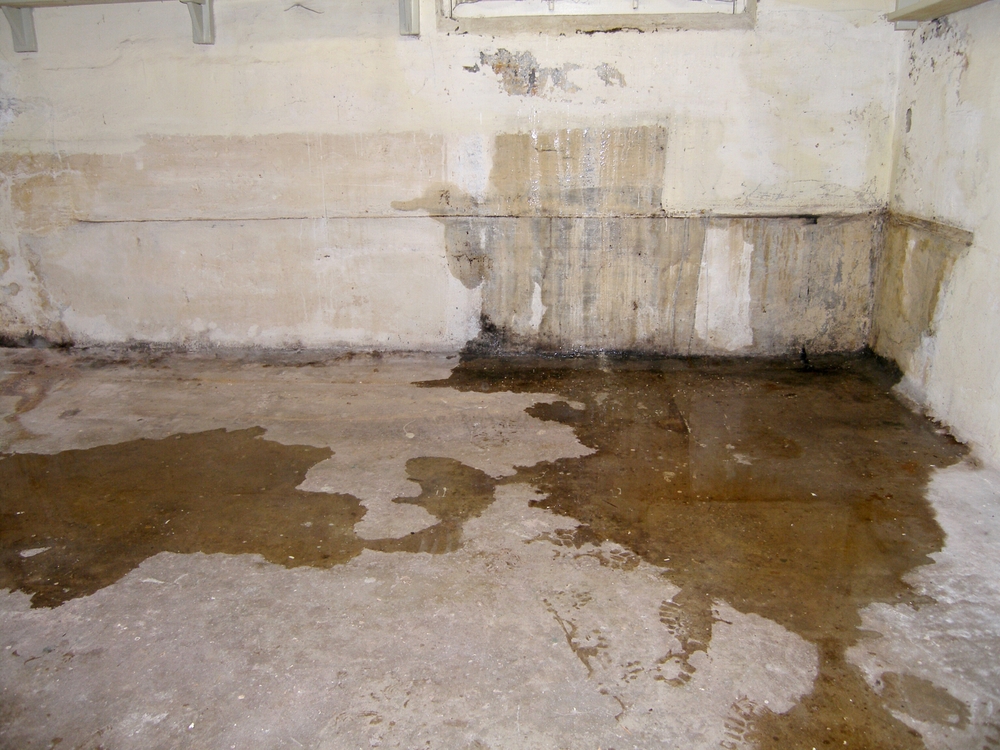
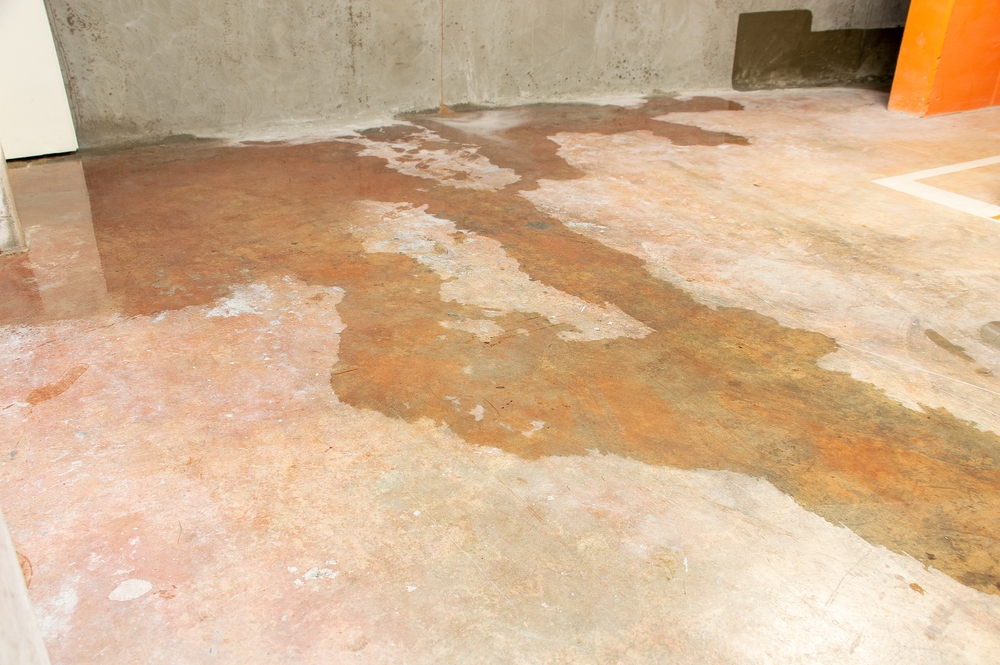
To determine whether your basement moisture stems from a leak, pay attention to the timing, location, and consistency of the water. One of the biggest giveaways of a leak is the presence of water after rainfall. If you notice damp spots or puddles forming on basement floors or see water stains on walls following heavy rains, you’re likely dealing with a leak. Leaks tend to be more localized; water will often appear near foundation cracks, window wells, or where the basement wall meets the floor.
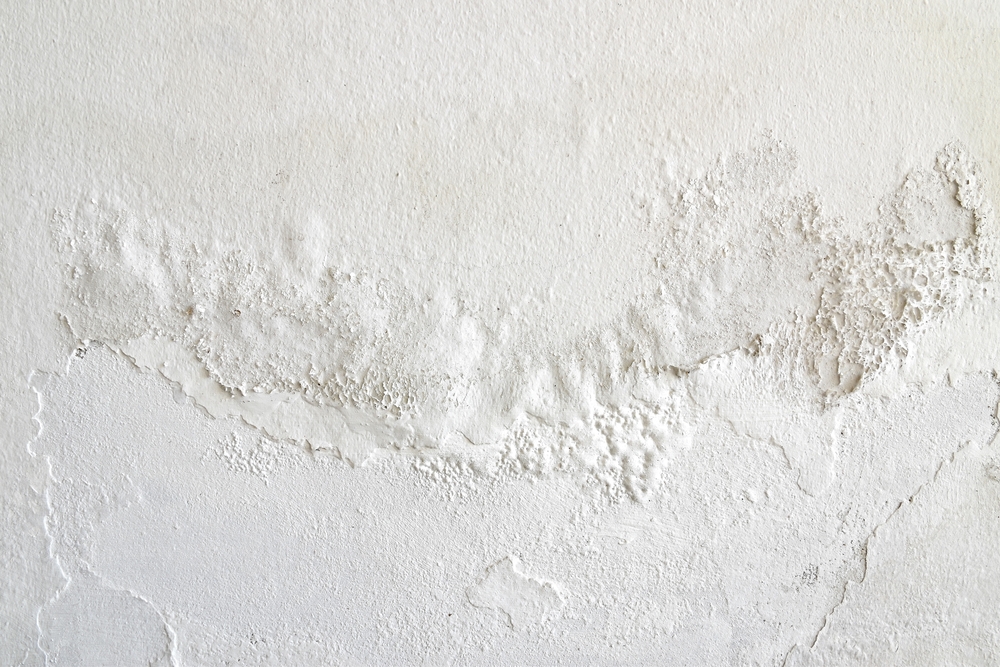
Other signs of a leak include peeling paint, efflorescence (a white, powdery residue left behind by evaporated water), and mold growth on drywall or wood paneling. Musty odors can also be a clue, as they often indicate prolonged exposure to moisture. If the problem worsens over time, despite efforts to dry out the space, you may be dealing with continuous water infiltration that requires structural intervention.
In more severe cases, leaks may be visible—streams or trickles of water entering through cracks or holes, especially during a storm. Regular monitoring during wet conditions can provide conclusive evidence of a leak, as will an inspection of external features like gutters, downspouts, and grading, which can channel water toward your foundation.
Signs That Point to Condensation
While leaks introduce water from outside, condensation results from internal atmospheric conditions. Identifying condensation requires a different approach. One of the most telling signs is water on cold surfaces, like metal pipes, basement windows, or concrete walls, especially during summer months when humidity levels are high.
Condensation is usually more uniform and widespread rather than isolated to specific points. You might notice droplets forming evenly across surfaces, rather than just at structural weak spots. A damp or clammy feeling in the air, fogged windows, or water beading on non-porous surfaces are all indicators of condensation.
If you’re unsure whether your issue is condensation or a leak, a simple test can help: tape a square piece of aluminum foil or plastic wrap to the basement wall and leave it in place for 24 to 48 hours. If moisture forms on the inside-facing surface (toward the room), it’s likely condensation. If water appears on the wall-facing side, it’s probably a leak. This test doesn’t require any special equipment and can provide quick clarity in your diagnosis.
Excess humidity in basement environments often triggers condensation, especially in homes without proper ventilation or where clothes dryers and showers vent moisture into the basement air. In these cases, a dehumidifier and improved ventilation can make a significant difference in reducing moisture accumulation.
Solutions Based on Diagnosis
Once you’ve identified whether you’re dealing with a leak or condensation, the next steps are about addressing the root cause of your basement moisture problem effectively. For leaks, exterior solutions are often necessary. This might involve waterproofing your foundation, regrading your landscape to divert water away from your home, or repairing damaged gutters and downspouts. In some cases, installing a sump pump or French drain system may be required to manage groundwater and prevent flooding.
Interior sealants and patching compounds can offer temporary relief, but they rarely solve the issue permanently. Water will continue to find new ways to infiltrate unless the external source of the leak is controlled. Consulting with a professional contractor or basement waterproofing specialist is advisable for persistent or severe leaks.
In contrast, if the problem is condensation, the fix is generally simpler and less costly. Start by using a dehumidifier to control humidity in the basement. Keep indoor humidity levels below 60%—ideally between 30-50%—to prevent moisture from condensing on cool surfaces. Also consider insulating cold water pipes and foundation walls to reduce the temperature differential that causes condensation. Ensuring that appliances like dryers and heaters are properly vented to the outside can prevent moisture buildup.
You can also improve airflow by installing vents or using fans to keep the air moving, especially in corners and behind large objects where stagnant air tends to accumulate. For homes in particularly humid climates, using a vapor barrier on walls and floors may further help reduce moisture transmission from the soil into the living space.
Preventive Measures for Long-Term Protection
Preventing future basement water problems requires a proactive approach. Regular maintenance of your home’s exterior is crucial. Clean your gutters and downspouts regularly to ensure they are directing water away from your foundation. Examine the slope of your yard and consider regrading if water tends to pool near the base of your home.
Inside, monitor the relative humidity in your basement using a hygrometer. These inexpensive tools can alert you to rising humidity levels before condensation becomes a visible issue. During warmer months, keep windows closed on humid days to avoid drawing in moist air. Conversely, during dry seasons, consider using basement ventilation systems to keep air circulating.
Inspect your basement regularly for early signs of moisture. Check corners, baseboards, and the underside of stairs. Look for discoloration, warping, or a musty smell. Catching a problem early can be the difference between a minor fix and a major renovation.
Conclusion
Ultimately, understanding the difference between basement condensation vs leak empowers you to make informed decisions and avoid unnecessary repairs. Whether you’re battling high humidity in basement areas or confronting a wet basement due to external water intrusion, accurate diagnosis is your first step toward a dry, healthy, and worry-free home. Keeping a vigilant eye on basement moisture can save you from costly repairs and ensure that your lower level remains usable and comfortable for years to come.
Need The Best Foundation Crack Repair Specialist Near You?
At Done Right Services, we’ve been the trusted name in masonry since 1998, offering top-notch stone foundation repairs, crack repairs, and basement waterproofing throughout Massachusetts and New Hampshire. Our team of experts is dedicated to restoring your home’s foundation and ensuring your basement stays dry and safe. With our lifetime warranty and 15-year money-back guarantee on all concrete foundation services, you can trust that we’ll handle your needs with precision and care. Don’t let water leaks or foundation issues damage your home—reach out to us and experience the Done Right difference today!
Basement leaks are a common concern for homeowners in Andover, MA, where fluctuating weather conditions and aging home infrastructure often contribute to water-related issues. Whether you’re dealing with damp spots, pooling water, or full-blown flooding, understanding the causes of basement water issues is the first step toward a long-lasting solution. In Andover, the unique combination of soil composition, weather patterns, and housing construction can exacerbate the problem, making it crucial for homeowners to stay informed.
With increasing reports of water in basement areas during the spring thaw or after heavy rainfalls, the problem is not one that should be ignored. Water intrusion can lead to mold, mildew, and even structural damage if left unresolved. This blog delves into the root causes of basement leaks in Andover, MA, examining the most common contributors and offering insight into how homeowners can take action.
The Impact of Andover’s Climate and Soil on Basement Leaks
The climate in Andover, MA, plays a significant role in the prevalence of basement leaks. This region experiences a mix of snowy winters, wet springs, and humid summers, all of which create varying conditions for groundwater levels. During the spring, melting snow coupled with rainfall saturates the soil, increasing hydrostatic pressure against foundation walls. This pressure can push water through any available crack or gap, leading to water in the basement.
Additionally, the type of soil common in the area—often a mixture of clay and loam—tends to retain water. Clay-heavy soil expands when wet and contracts when dry, placing additional stress on foundations. This expansion and contraction cycle creates movement in the foundation, potentially leading to foundation cracks that allow water to seep into basements. Understanding this dynamic is crucial because even homes that appear structurally sound can be vulnerable to the subtle effects of shifting soil and inconsistent moisture levels.
Andover’s historic neighborhoods, where many homes were built decades ago, also contribute to the problem. Older homes are more likely to have deteriorated waterproofing or drainage systems, making them more susceptible to leaking foundations. The age of construction materials and lack of modern sealing techniques used in the past often fail to meet the moisture challenges posed by today’s more extreme weather.
Foundation Cracks: The Hidden Entry Point for Water
One of the primary causes of basement water issues in Andover is foundation cracks. These cracks can occur for a variety of reasons, from natural settling and soil movement to temperature fluctuations and poor construction. When a foundation shifts, even slightly, it can develop hairline fractures that expand over time. Once compromised, these cracks become the most straightforward pathway for water to enter the home.
There are two major types of foundation cracks: structural and non-structural. Structural cracks are more serious and indicate a fundamental weakness in the foundation. These cracks often run diagonally or vertically and can widen with time, compromising the overall integrity of the building. Non-structural cracks, while not as immediately dangerous, still pose a threat by allowing moisture to infiltrate.
Basement leaks stemming from these foundation cracks are particularly problematic because they often go unnoticed until significant damage has occurred. Homeowners may first detect a musty odor or notice mold growth before identifying the source. By the time water in the basement is visible, the issue may have already escalated. Regular inspection of the foundation—both inside and outside—is critical to catching and sealing cracks early.
Poor Drainage Systems and Their Role in Leaking Foundations
Beyond cracks, ineffective or outdated drainage systems are another common culprit behind basement leaks. Homes in Andover that lack proper grading, downspout extensions, or functional sump pumps are at higher risk for water accumulation near the foundation. When water is allowed to pool around the base of a home, it gradually seeps downward, increasing the hydrostatic pressure that can lead to a leaking foundation.
Many properties in the area suffer from poor surface drainage. This often occurs when the landscaping slopes toward the house instead of away from it. Without proper grading, rainwater or melting snow naturally flows toward the foundation, soaking into the soil and eventually breaching the basement walls. Additionally, clogged or short downspouts fail to divert rainwater far enough from the house, compounding the problem.
Subsurface drainage systems, such as French drains or perimeter drains, are supposed to manage groundwater and relieve pressure on foundation walls. However, if these systems are blocked, damaged, or improperly installed, they can become a point of failure. In Andover’s older homes, it’s not uncommon to find that such systems either never existed or have fallen into disrepair, significantly increasing the chances of basement water intrusion.
How Basement Waterproofing Can Prevent Future Issues
To mitigate basement leaks in Andover, proactive waterproofing is essential. There are several techniques that homeowners can use to protect their properties, each targeting different aspects of water infiltration. Exterior waterproofing is one of the most effective long-term solutions. This process involves excavating the soil around the foundation and applying a waterproof membrane or coating to the exterior wall. This barrier prevents water from ever touching the foundation surface.
Interior waterproofing, while not a replacement for exterior solutions, can also be valuable. This method often includes the use of sealants, epoxy injections for cracks, and the installation of interior drainage systems that redirect water to a sump pump. These approaches are typically more affordable and less invasive than exterior solutions but are best used in conjunction with other preventative measures.
For Andover homeowners, regular maintenance is equally important. Ensuring gutters are clean, downspouts are functional, and the landscape is properly graded can go a long way in preventing the causes of basement water issues. Additionally, investing in a quality sump pump with a backup battery system provides extra peace of mind during heavy storms or power outages.
Taking Preventive Action and Seeking Professional Help
When it comes to basement leaks, prevention is far more cost-effective than repair. Homeowners in Andover, MA, should consider conducting annual inspections of their basements and foundations, especially after the winter thaw or major storms. Identifying signs of water in basement corners, damp walls, or unusual odors early can prevent more extensive damage and costly repairs down the line.
Engaging with professionals who specialize in basement waterproofing and foundation repair is another wise move. These experts can perform a comprehensive assessment of a home’s vulnerabilities and recommend the most suitable solutions. Whether it’s sealing minor foundation cracks or overhauling a home’s drainage system, professional input ensures the job is done right the first time.
Furthermore, local specialists are more familiar with the specific challenges posed by Andover’s climate and construction history. Their expertise can help tailor a waterproofing strategy that is both effective and durable. While DIY solutions may offer a temporary fix, the complexity of water management around a home’s foundation typically requires professional-grade materials and installation.
Conclusion
The causes of basement leaks in Andover, MA, are multifaceted, involving a combination of environmental, structural, and mechanical factors. From foundation cracks and poor drainage to the region’s wet climate and soil conditions, numerous elements contribute to the issue. Understanding these causes allows homeowners to take targeted actions that not only protect their property but also preserve its value and safety for years to come. By staying vigilant and investing in proper waterproofing solutions, Andover residents can keep their basements dry and their homes healthy.
Need The Best Foundation Crack Repair Specialist Near You?
At Done Right Services, we’ve been the trusted name in masonry since 1998, offering top-notch stone foundation repairs, crack repairs, and basement waterproofing throughout Massachusetts and New Hampshire. Our team of experts is dedicated to restoring your home’s foundation and ensuring your basement stays dry and safe. With our lifetime warranty and 15-year money-back guarantee on all concrete foundation services, you can trust that we’ll handle your needs with precision and care. Don’t let water leaks or foundation issues damage your home—reach out to us and experience the Done Right difference today!
Homeownership in Andover, MA comes with its fair share of responsibilities, especially when it comes to preserving the integrity of your property against moisture and water damage. A particularly vulnerable area in many homes is the basement, and within that, the bulkhead entrance can be a major point of concern. Precast bulkhead waterproofing is not just a luxury—it’s a necessity in a region where seasonal weather patterns, heavy rains, and melting snow can introduce persistent moisture problems. Understanding what’s at stake and how to properly address bulkhead leaks can save Andover homeowners thousands of dollars in long-term repair costs and maintain a dry, healthy living space.
Understanding Precast Bulkhead Systems and Their Vulnerabilities
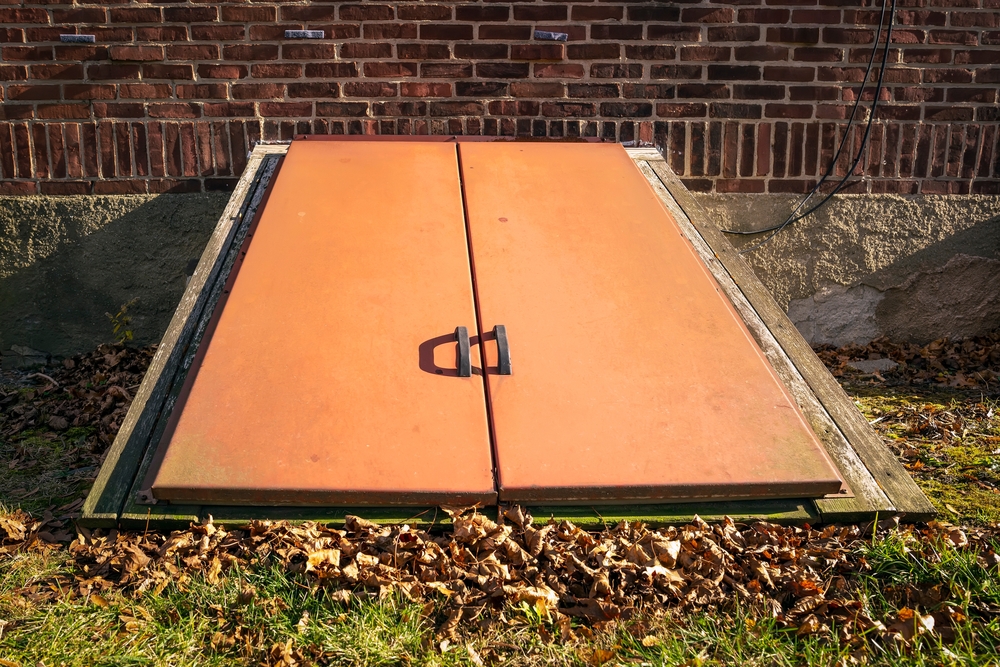
A precast bulkhead is a type of basement entry typically constructed from precast concrete. These structures are often installed as a practical, durable access point to basements, allowing easy entry and exit for maintenance and storage purposes. Precast bulkheads are prefabricated and brought to the site ready for installation, which speeds up the building process and ensures structural uniformity.
However, despite their strength and convenience, precast bulkheads are not immune to water intrusion. Over time, the seams between the bulkhead and the foundation can begin to deteriorate due to natural settling, temperature fluctuations, and freeze-thaw cycles common in Massachusetts. Water can seep through these gaps, leading to bulkhead leaks that compromise the basement’s integrity. The junction between the bulkhead stairwell and the concrete foundation is a critical area of vulnerability where even small cracks or imperfect seals can become major channels for water infiltration.
The Importance of Precast Bulkhead Waterproofing in Andover’s Climate
Andover, MA experiences a humid continental climate with cold winters and hot, often humid summers. This climate is particularly challenging when it comes to keeping basements dry. Snow accumulation in winter followed by rapid spring melts can result in large volumes of water pooling around foundations. During summer thunderstorms, heavy rainfall can quickly saturate the soil around a home’s perimeter.
These seasonal shifts create an environment where basement water protection becomes paramount. Without proper precast bulkhead waterproofing, water can enter the basement through the bulkhead door, the seams around it, or through cracks in the surrounding concrete. This not only poses risks to the structural integrity of the home but also encourages mold growth, wood rot, and can degrade indoor air quality.
For homeowners in Andover, investing in high-quality waterproof bulkhead solutions isn’t just about peace of mind—it’s a proactive measure to protect one of the most important investments they’ll ever make. Taking preventative action before a small leak becomes a major flood is the key to long-term preservation and property value retention.
Diagnosing Bulkhead Leaks and When to Take Action
Detecting a bulkhead leak early is critical in preventing widespread basement water damage. In some cases, the signs may be obvious: visible water pooling near the bulkhead stairs after a rainstorm or streaks of mineral deposits (efflorescence) around the seams of the door. More subtly, homeowners may notice a musty smell in the basement, increased humidity, or even damage to belongings stored nearby.
Common causes of bulkhead leaks include deteriorated or improperly installed gaskets, cracks in the concrete, poor drainage around the exterior, and faulty flashing or sealant. Sometimes, the bulkhead itself may have shifted slightly over time, creating gaps that weren’t initially present.
If these symptoms are detected, it’s important to address the issue promptly. Delaying repairs allows moisture to penetrate deeper into the foundation and can result in costly remediation. Precast bulkhead waterproofing services typically start with a comprehensive inspection, followed by the application of specialized sealants, installation of new weather-resistant gaskets, or even the retrofitting of drainage systems to divert water away from the home.
Modern Solutions for Foundation Waterproofing and Bulkhead Sealing
Fortunately, today’s foundation waterproofing technology has come a long way. Homeowners in Andover have access to a variety of advanced materials and methods specifically designed to tackle persistent water intrusion through precast bulkheads. Depending on the severity of the problem, solutions can range from relatively straightforward surface sealing to more involved structural repairs.
For surface-level leaks, polyurethane or epoxy injections are frequently used to seal cracks from the inside. These materials bond with the concrete and expand to fill voids, effectively creating a waterproof barrier. On the exterior, elastomeric coatings and membrane systems can be applied to the bulkhead and surrounding concrete to repel water and resist degradation from UV exposure and temperature extremes.
In more severe cases, installing a French drain or trench drain system can be highly effective. These systems collect and redirect water away from the bulkhead entrance, preventing accumulation and pressure that leads to leaks. Drainage matting and gravel backfill around the bulkhead can also help alleviate hydrostatic pressure.
Additionally, modern waterproof bulkhead doors are designed with overlapping seals, reinforced hinges, and corrosion-resistant coatings that further enhance durability and effectiveness. Replacing old, rusted, or warped doors with newer models can significantly reduce the risk of leaks and improve the basement’s overall resilience to water intrusion.
Long-Term Benefits of Waterproofing and Professional Guidance
Investing in precast bulkhead waterproofing offers more than just short-term relief—it delivers long-term value. A properly sealed bulkhead contributes to a healthier indoor environment by preventing mold and mildew, improves energy efficiency by reducing humidity levels, and protects the home’s structural integrity from erosion and decay.
For Andover homeowners planning to sell their property in the future, a dry basement can be a powerful selling point. Real estate agents and inspectors often flag moisture issues during the sales process, and a history of water problems can significantly reduce a home’s marketability. Demonstrating that the property has been professionally waterproofed can instill confidence in potential buyers and support higher asking prices.
Professional waterproofing contractors bring expertise, tools, and materials that DIY solutions often lack. They can diagnose issues with precision, identify problems that may not be visible to the untrained eye, and execute repairs with techniques that ensure long-lasting performance. Reputable companies also offer warranties that provide additional peace of mind.
Ultimately, foundation waterproofing is not a one-size-fits-all solution. Every home is unique, and successful waterproofing strategies must be tailored to the specific challenges posed by the property’s design, location, and condition. This is especially true in Andover, where older homes and complex soil conditions can present unique obstacles.
Conclusion
If you’re a homeowner in Andover, MA, understanding the importance of precast bulkhead waterproofing is vital to protecting your basement and foundation from the damaging effects of water intrusion. With the right preventative strategies, professional assessments, and modern waterproofing techniques, you can enjoy a dry, comfortable basement year-round—and safeguard the investment you’ve made in your home for years to come.
Need The Best Foundation Crack Repair Specialist Near You?
At Done Right Services, we’ve been the trusted name in masonry since 1998, offering top-notch stone foundation repairs, crack repairs, and basement waterproofing throughout Massachusetts and New Hampshire. Our team of experts is dedicated to restoring your home’s foundation and ensuring your basement stays dry and safe. With our lifetime warranty and 15-year money-back guarantee on all concrete foundation services, you can trust that we’ll handle your needs with precision and care. Don’t let water leaks or foundation issues damage your home—reach out to us and experience the Done Right difference today!
Basements are an essential part of many Boston homes, especially those built before 1950. These spaces often serve as storage areas, laundry rooms, or additional living spaces. However, homeowners in this historic city frequently face the challenge of basement leaks, which can cause significant damage and lead to expensive repairs. Understanding the top causes of basement leaks in these older homes is crucial for any Boston homeowner looking to maintain their property’s integrity. In this article, we will explore the key factors that contribute to basement leaks in Boston homes, with a particular focus on homes built before 1950.
The Impact of Aging Foundations on Basement Leaks
One of the primary causes of basement leaks in Boston homes built before 1950 is the natural aging of the home’s foundation. Over time, the materials used in older foundations—often made of stone, brick, or unreinforced concrete—begin to degrade. This deterioration can result in cracks and gaps that allow water to seep into the basement. Unlike modern foundations that use more durable and waterproof materials, the foundations of historic homes were not designed to withstand the same environmental pressures, such as shifts in the soil, moisture fluctuations, and freeze-thaw cycles.
In particular, Boston’s climate, with its heavy winters and frequent rainfall, exacerbates these issues. As water infiltrates cracks in the foundation, it can lead to further damage, weakening the structure of the home. The combination of age, exposure to the elements, and the lack of modern waterproofing techniques makes basement leaks a common problem in older Boston homes. If not addressed promptly, these leaks can lead to mold growth, weakened structural integrity, and expensive foundation repairs.
Poor Drainage and Sump Pump Failures
Another major cause of basement leaks in older Boston homes is poor drainage. Over the years, the ground surrounding a home can shift or settle, causing the grading around the foundation to become uneven. This uneven grading can direct water toward the foundation rather than away from it, leading to water pooling around the base of the house. When the soil becomes saturated, water can easily seep through cracks in the foundation or walls, resulting in basement leaks.
In addition to improper grading, older homes may have outdated or poorly maintained drainage systems. For instance, many homes built before 1950 were constructed without modern sump pumps or French drains, which are designed to channel water away from the foundation. Even if these systems were installed initially, they may have failed over time due to age or lack of maintenance. A malfunctioning sump pump, clogged drain pipes, or a deteriorating French drain system can all contribute to basement leaks. Regular maintenance and the installation of updated drainage systems can help mitigate these risks, but homeowners of older Boston properties may be facing additional challenges in this regard.
Water Table and Hydrostatic Pressure Issues
The water table, which refers to the level at which the ground becomes saturated with water, can also be a significant cause of basement leaks in Boston homes, particularly those built before 1950. Boston’s location near the coast and its fluctuating rainfall patterns mean that the water table can rise and fall depending on the season. When the water table rises, it increases hydrostatic pressure against the foundation walls, forcing water into any available cracks or gaps.
In homes with older foundations, this pressure is often too much for the structure to handle, leading to basement leaks. In some cases, the pressure can cause the foundation walls to bow or even crack, making the issue even more severe. This phenomenon is particularly common during heavy rainfalls or after periods of snowmelt when the water table is elevated. Homeowners in these older properties must be aware of the signs of hydrostatic pressure and take steps to alleviate the problem, such as installing additional waterproofing measures or improving the drainage system around the property.
Inadequate or Deteriorating Waterproofing Systems
Many Boston homes built before 1950 were constructed without proper waterproofing systems in place. Even if some form of waterproofing was initially applied, it may have deteriorated over time. The materials used for waterproofing in older homes—such as tar or pitch—were not as effective as modern materials like rubber membranes or liquid sealants. As these older waterproofing systems break down, they lose their ability to keep moisture out of the basement.
In addition to deteriorating waterproofing materials, the application methods used in historic homes were not always up to modern standards. For example, waterproofing may have only been applied to the exterior foundation walls, leaving the interior vulnerable to water infiltration. Furthermore, the foundation walls themselves may not have been properly sealed, which can cause water to enter through any vulnerable spots. To prevent further damage and address the issue of old home basement waterproofing, homeowners in Boston should consider modernizing their waterproofing systems. This may involve applying advanced sealants or installing internal waterproofing systems that prevent water from reaching the basement.
Shifting Soil and Seasonal Ground Movement
Shifting soil and seasonal ground movement are other common causes of basement leaks in Boston’s older homes. Over time, the soil around a property can shift due to various factors, such as natural settling, tree root growth, or even the freeze-thaw cycle. These shifts can create pressure on the foundation, causing cracks or gaps to form in the basement walls or floor. When these cracks appear, water can enter, leading to leaks.
In Boston, where the ground can freeze in the winter and thaw in the spring, the freeze-thaw cycle can cause significant pressure on the foundation. Water that has seeped into the ground can freeze during cold months, expanding as it turns to ice. As the ice thaws, the ground contracts, putting stress on the foundation and causing further cracking. This cycle can weaken the foundation over time, resulting in more frequent basement leaks. Homeowners in older homes should be vigilant for signs of shifting soil or cracks in the foundation, as these are indicators that seasonal ground movement may be at play.
Addressing Basement Leaks in Boston Homes Built Before 1950
Basement leaks are a common issue for homeowners in Boston, especially those with properties built before 1950. The combination of aging foundations, poor drainage, rising water tables, deteriorating waterproofing systems, and shifting soil all contribute to the prevalence of this problem. For homeowners dealing with basement leaks, understanding the causes of these issues is the first step in finding effective solutions.
To protect their homes from further damage, homeowners should consider investing in old home basement waterproofing services, which may include foundation repair, improved drainage systems, and the application of modern waterproofing materials. Regular inspections and maintenance can also go a long way in preventing leaks and preserving the integrity of a historic property. For those dealing with persistent basement issues, consulting with foundation repair experts in Boston can provide valuable insights and solutions tailored to the specific needs of older homes.
By addressing the root causes of basement leaks and investing in preventive measures, Boston homeowners can ensure that their historic properties remain dry, safe, and structurally sound for years to come.
Need The Best Foundation Crack Repair Specialist Near You?
At Done Right Services, we’ve been the trusted name in masonry since 1998, offering top-notch stone foundation repairs, crack repairs, and basement waterproofing throughout Massachusetts and New Hampshire. Our team of experts is dedicated to restoring your home’s foundation and ensuring your basement stays dry and safe. With our lifetime warranty and 15-year money-back guarantee on all concrete foundation services, you can trust that we’ll handle your needs with precision and care. Don’t let water leaks or foundation issues damage your home—reach out to us and experience the Done Right difference today!
A cracked foundation is one of the most concerning issues a homeowner can face. Foundations are the backbone of any structure, supporting the entire weight of the house, so even small issues should not be ignored. If left unchecked, a cracked foundation can lead to severe structural damage, compromising the safety and stability of the building. One of the most common questions asked by homeowners is whether a cracked foundation can get worse over time. The short answer is yes, and understanding why this happens, the types of cracks that form, and how to address the problem is crucial in preventing further damage.
Foundation Cracks and Their Causes
Before delving into whether foundation cracks worsen over time, it’s important to understand what causes them in the first place. Foundations are typically made of concrete or masonry, and over time, these materials can undergo various forms of stress. The most common reason for a cracked foundation is the natural settling of the house. As the house settles, it can put pressure on the foundation, causing it to shift and crack. However, this is not always the case, and other factors can also contribute to the development of structural cracks in foundation walls.
Soil movement is another significant contributor. Expansive soil, which swells when wet and shrinks when dry, can place tremendous pressure on the foundation. Poor drainage, leaking gutters, and water accumulation around the foundation can exacerbate these issues, further contributing to foundation damage. In some cases, plumbing leaks or the use of materials that are not durable enough to withstand external pressure can also lead to the formation of cracks in the foundation.
While some cracks may appear minor, they can indicate underlying issues that could worsen over time. It’s essential for homeowners to understand that foundation problems are progressive, and the longer they remain unaddressed, the more extensive and expensive the repair process will become.
Can a Cracked Foundation Get Worse Over Time?
Yes, a cracked foundation can certainly get worse over time. Even seemingly small cracks, if left untreated, can expand and lead to significant damage. When a crack first forms in the foundation, it may appear harmless, but as water seeps through, it can gradually widen and deepen. Water infiltration is one of the most damaging elements to a foundation crack. Over time, this moisture can weaken the structural integrity of the concrete or masonry, making the foundation more vulnerable to further deterioration.
For example, if the soil surrounding the foundation is subjected to fluctuating moisture levels—such as during seasonal changes—this can cause the foundation to shift. When moisture is absorbed by expansive soils, they expand and press against the foundation, making the cracks grow larger. As this process continues, the structure of the foundation becomes more compromised, increasing the likelihood of more serious issues like uneven floors, misaligned doors, or even wall separations.
Additionally, if the crack was caused by structural issues like improper construction or material defects, it’s unlikely that the problem will resolve on its own. In fact, structural cracks in foundation walls may worsen over time, especially if there is additional pressure from shifting soil, water, or changes in the environment. As the crack expands, it can begin to affect other areas of the foundation and potentially spread to other parts of the house, leading to even more widespread foundation damage.
How Foundation Cracks Affect the Home
When a foundation crack worsens, the consequences extend beyond just the foundation itself. Foundation damage can lead to various issues that affect the entire home. For example, as cracks spread, they can cause the structure to settle unevenly. This uneven settling often leads to problems with the floors, walls, and windows. Homeowners may notice that their doors and windows become difficult to open or close, as the frames may shift out of alignment due to foundation movement. Similarly, floors may begin to slope or buckle, creating uneven surfaces that can be hazardous.
In some cases, the cracks in the foundation can lead to water penetration, which can exacerbate issues like mold and mildew growth in the basement or crawl space. Water seepage can also damage electrical wiring, insulation, and other materials within the walls, leading to costly repairs. This is particularly concerning in areas with high humidity or in climates that experience heavy rainfall or snowmelt, where water infiltration becomes more likely.
The appearance of cracks on walls and ceilings inside the house is another visible sign of foundation damage. These cracks often start small but gradually get larger as the foundation problem progresses. This can create an eyesore within the home and, if left untreated, lead to more severe structural problems.
In addition to these practical concerns, foundation damage can also affect the value of the home. Prospective buyers may be deterred by visible foundation issues, and the cost of repairs can be a significant negotiating point. This means that ignoring foundation cracks not only poses a safety risk but could also impact the future marketability of the home.
The Importance of Timely Foundation Crack Repair
Given that foundation cracks can worsen over time, it is critical to address the issue as soon as possible. Early detection and repair are key to preventing further damage and avoiding more extensive, expensive repairs. In many cases, foundation crack repair is relatively straightforward if caught early, and it can prevent the problem from escalating into a full-blown foundation failure.
When a foundation crack is detected, it’s important to have a professional assess the extent of the damage. A foundation repair expert can determine whether the crack is a superficial issue or a symptom of more significant structural damage. Depending on the severity of the crack, repairs can range from filling and sealing the crack to more complex procedures, such as underpinning or installing piers to stabilize the foundation. The cost of repairs varies based on the type of damage and the solution required, but the longer a homeowner waits to address the issue, the more expensive the repair costs will likely be.
Moreover, addressing the root cause of the foundation crack is equally important as repairing the crack itself. For example, if water accumulation is contributing to the problem, the homeowner may need to implement a drainage solution, such as installing French drains or improving gutter systems, to prevent further moisture from infiltrating the foundation. In cases where soil movement is causing the cracks, soil stabilization methods might be necessary to reduce pressure on the foundation.
Preventing Future Foundation Damage
While repairing a cracked foundation is vital to maintaining the stability of the home, preventing future damage is equally important. Homeowners should take proactive steps to minimize the risk of foundation problems arising again in the future. This includes ensuring proper drainage around the home, maintaining consistent moisture levels in the soil, and addressing any plumbing leaks promptly.
Regular inspections of the foundation and surrounding areas can help identify any early signs of potential issues. Catching problems early can prevent them from worsening and spreading, saving homeowners time and money in the long run. Additionally, homeowners should be mindful of landscaping choices that could contribute to foundation problems. Avoid planting large trees or shrubs near the foundation, as their roots can interfere with the structure and potentially cause cracks to form.
When foundation cracks are noticed, it’s important to consult with professionals who specialize in foundation crack repair. They can not only repair existing damage but also provide advice on preventive measures that can safeguard the home’s foundation for years to come.
Conclusion
Foundation cracks are not something to take lightly, and yes, they can get worse over time if left untreated. The damage they cause can extend far beyond the foundation itself, affecting the entire home and its value. By understanding the causes of foundation cracks, recognizing the signs of worsening damage, and addressing the issue promptly, homeowners can prevent more serious and costly problems down the road. Foundation repair may seem like an overwhelming task, but taking swift action can help ensure the safety and stability of the home for years to come. If you notice any signs of foundation damage, it’s essential to consult with a professional foundation repair company to assess the situation and determine the best course of action.
Need The Best Foundation Crack Repair Specialist Near You?
At Done Right Services, we’ve been the trusted name in masonry since 1998, offering top-notch stone foundation repairs, crack repairs, and basement waterproofing throughout Massachusetts and New Hampshire. Our team of experts is dedicated to restoring your home’s foundation and ensuring your basement stays dry and safe. With our lifetime warranty and 15-year money-back guarantee on all concrete foundation services, you can trust that we’ll handle your needs with precision and care. Don’t let water leaks or foundation issues damage your home—reach out to us and experience the Done Right difference today!