

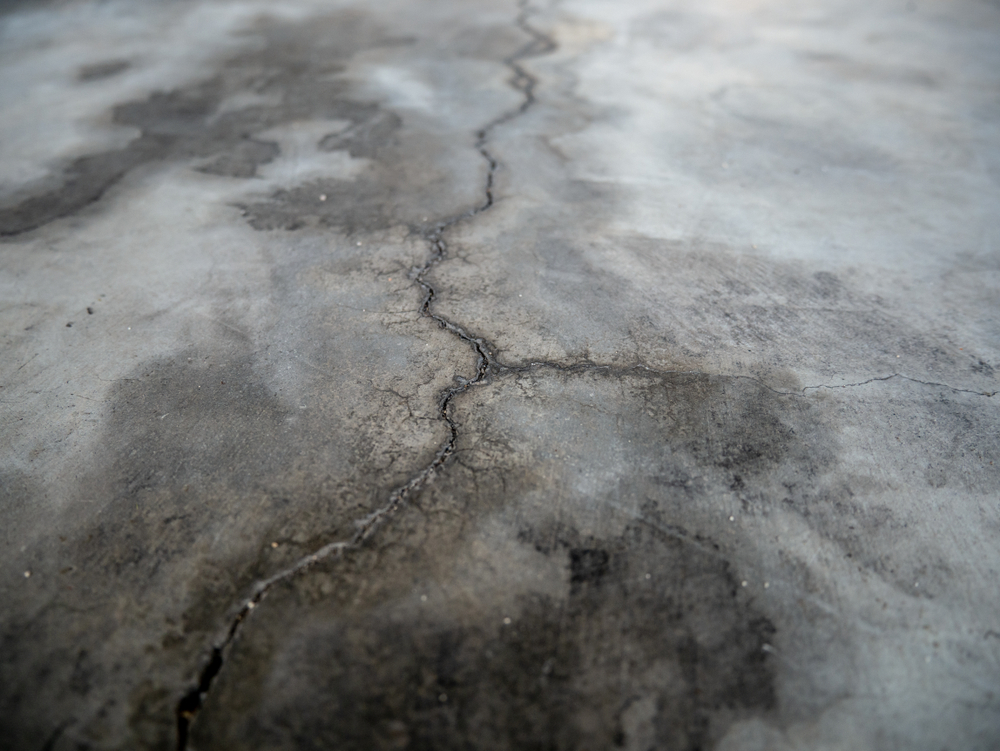
It usually starts with a thin line across the garage floor. Maybe you notice it while pulling in after work, or while sweeping the basement. At first, it seems harmless. Concrete cracks, right? But over time, that line looks a little wider. Maybe it runs longer than you thought. Maybe water seeps through after heavy rain. Suddenly, what felt cosmetic begins to raise questions.
For suburban homeowners in Massachusetts, especially those in newer developments throughout Burlington, Chelmsford, and surrounding communities, concrete floor cracks in Massachusetts are a common concern. Slab settlement, shrinkage during curing, and seasonal movement all play a role. The real question is not whether a crack exists. It is whether that crack signals a structural issue or simply normal concrete behavior. Understanding the difference between structural vs. non structural foundation cracks can help you decide when to monitor and when to take action.
Why Concrete Slabs Crack in the First Place
Concrete is strong, but it is not immune to stress. In fact, cracking is a natural part of the curing process. As concrete dries and hardens, it shrinks slightly. This shrinkage often results in hairline cracks, especially in large slab pours like garage floors and basement slabs.
In newer developments, slabs are typically poured over compacted fill. If that soil was not uniformly compacted or if it shifts over time, the slab above can settle unevenly. Even minor settlement may cause visible cracking. Seasonal freeze-thaw cycles in Massachusetts also contribute to movement beneath slabs, particularly if moisture accumulates in the soil below.
Temperature fluctuations inside garages can add stress as well. Cold winters followed by humid summers cause expansion and contraction. Over time, these cycles create tension within the concrete, leading to surface cracks. Most of these cracks fall into the category of non structural foundation cracks. However, not all slab cracks should be dismissed as harmless.
Cosmetic Cracks vs. Structural Concerns
The key distinction between structural vs. non structural foundation cracks lies in how the slab is behaving. Cosmetic cracks are typically narrow, relatively straight, and do not involve vertical displacement. If both sides of the crack remain level and there is no noticeable heaving or sinking, the issue is often related to shrinkage or minor settlement.
Structural concerns arise when cracks widen significantly, form patterns that suggest ongoing movement, or show vertical separation between sections of the slab. If one side of the crack sits higher than the other, that may indicate shifting soil or inadequate support beneath the slab. In garages, this can create trip hazards and signal underlying instability.
Basement slabs present additional considerations. While they typically do not support the structure in the same way foundation walls do, severe settlement beneath the slab can point to drainage or soil issues that affect the entire foundation system. That is why basement slab crack repair in Chelmsford, MA, should begin with a professional assessment rather than a quick surface patch.
Foundation Crack Repair specializes in evaluating slab cracks to determine whether they are isolated surface issues or part of a larger structural pattern. Their slab crack assessment process goes beyond visual inspection, examining crack width, length, depth, and surrounding conditions before recommending a solution.
The Role of Cold Joints and Water Intrusion
Not all cracks form randomly. Some occur at cold joints, which are the seams where two separate concrete pours meet. In garages and basements, cold joints are common and often represent a natural weak point. While not inherently structural problems, these joints can allow water infiltration if not properly sealed.
Cold joint waterproofing expertise is especially important in Massachusetts, where heavy rainfall and snowmelt increase hydrostatic pressure around foundations. Water entering through slab cracks or joints can lead to damp basements, mold growth, and long-term deterioration of adjacent materials.
In garages, moisture intrusion through slab cracks can cause surface spalling or deterioration over time. Salt from winter road treatments tracked in by vehicles may further accelerate concrete breakdown. Addressing cold joints and crack seams with permanent interior sealing methods helps prevent recurring moisture issues.
Foundation Crack Repair understands how cold joints behave differently from random shrinkage cracks. Their approach targets the source of infiltration rather than masking symptoms with temporary coatings.
Why Temporary Patching Often Fails
Many homeowners attempt quick fixes when they notice garage or basement slab cracks. Hardware store patch kits and surface sealants promise easy repairs. While these products may improve appearance temporarily, they rarely address the underlying cause of the crack.
Surface patches adhere to the top layer of concrete but do not bond the slab internally. If soil movement continues or seasonal expansion persists, the crack often reopens. In areas prone to freeze-thaw cycles, water can seep beneath surface patches, freeze, and widen the crack further.
Permanent interior sealing methods differ significantly from temporary patching. Instead of simply covering the crack, professional repair techniques inject specialized materials that penetrate the full depth of the crack. These materials create a durable bond within the slab, restoring integrity and forming a long-lasting moisture barrier.
For homeowners seeking garage floor crack repair in Burlington, MA, choosing a permanent solution prevents repeat repairs and ongoing frustration. A thorough evaluation ensures that the selected method matches the severity and nature of the crack.
The Slab Crack Assessment Process
Determining whether a crack requires structural intervention begins with a detailed assessment. Foundation Crack Repair follows a methodical process when evaluating concrete floor cracks in Massachusetts homes.
First, technicians examine the crack pattern and measure its width and length. Hairline shrinkage cracks often remain stable over time, while structural cracks may show signs of progressive widening. Next, they check for vertical displacement or uneven slab sections, which may indicate settlement beneath the surface.
Moisture presence is another critical factor. If water seeps through during heavy rain or snowmelt, addressing infiltration becomes a priority even if the crack is not structurally significant. The team also evaluates nearby foundation walls and support structures to ensure that slab movement is not connected to broader foundation shifts.
Once the crack type is identified, a tailored repair plan is developed. For non structural foundation cracks that primarily pose moisture risks, permanent interior sealing methods can restore integrity and prevent further intrusion. For more significant settlement-related cracks, additional stabilization measures may be discussed.
When to Take Action
It can be tempting to ignore small cracks, especially in newer homes where minor settlement is expected. However, monitoring is essential. If a crack widens noticeably over a single season, shows vertical displacement, or begins allowing water intrusion, it is time to seek professional guidance.
Basement slab crack repair in Chelmsford, MA, and garage floor crack repair in Burlington, MA, both benefit from early intervention. Addressing issues promptly prevents moisture damage, surface deterioration, and potential safety hazards. It also provides clarity. Knowing whether a crack is structural or cosmetic eliminates uncertainty and allows homeowners to plan confidently.
Concrete floor cracks in Massachusetts are common, but not all cracks carry the same implications. The difference between structural vs. non structural foundation cracks lies in careful evaluation and appropriate repair methods. By choosing a team with cold joint waterproofing expertise and a commitment to permanent solutions rather than temporary patching, homeowners protect both their investment and peace of mind.
In the end, a crack in your garage or basement slab does not automatically signal a major structural issue. But it does deserve attention. With a professional slab crack assessment process and proven interior sealing techniques, you can address concerns before they escalate and ensure your home remains stable and dry for years to come.