

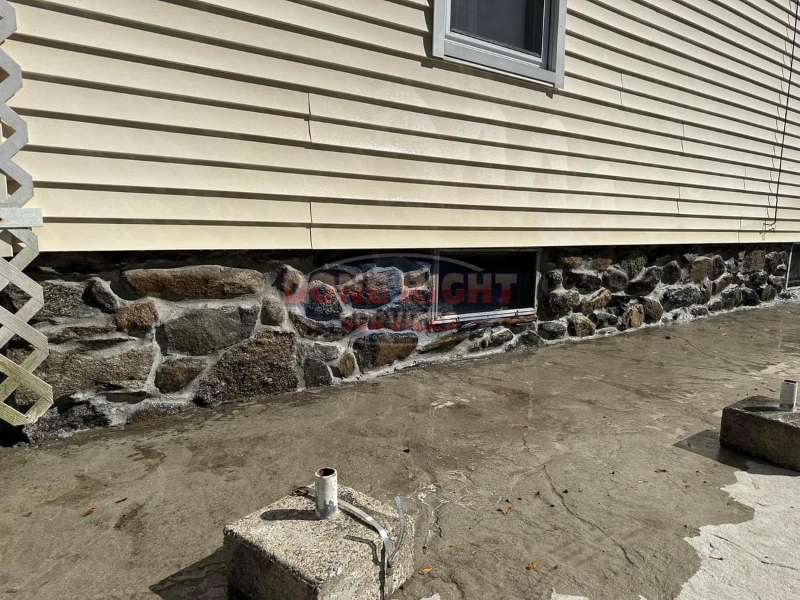
A stone foundation is often a hallmark of historic homes and early American architecture. Built for durability and using locally sourced stone, these foundations have withstood time, weather, and shifting soil. However, many homeowners are surprised to learn that stone foundation movement can cause structural problems that only become noticeable after several decades, sometimes even close to a century. Unlike modern materials that show signs of wear more quickly, the nature of stone and lime mortar allows damage to remain hidden until the problems are well advanced.
Understanding why stone foundation shifting occurs, why it takes so long to become visible, and what can be done to repair or stabilize such foundations is critical to preserving the structural integrity of older homes. Let’s explore the hidden timeline behind historic stone foundation problems and what leads to their eventual failure.
Natural Settling and Soil Movement: The Silent Trigger
At the core of most stone foundation movement is the interaction between the structure and the soil beneath it. Over time, the earth surrounding and supporting a foundation can shift. This might be caused by changes in moisture levels, tree root growth, freeze-thaw cycles, or simply the natural settling of soil. When these changes occur gradually, the effects on a stone foundation are almost imperceptible.
In many cases, the stones themselves are not set with concrete or modern bonding agents. Instead, older foundations were assembled with fieldstone or quarried stone and bonded with lime-based mortar. This allowed for flexibility during minor settling, which was seen as an advantage at the time. However, as the soil moves or compresses over many years, it can cause the foundation to lose alignment, resulting in small separations, tilting, or bulging walls.
Because the changes are so incremental, stone foundation shifting can take decades to become serious. A house may stand for generations before anyone notices that doors stick, floors are sloping, or cracks have begun to appear in the plaster walls.
Moisture Intrusion and Mortar Decay: A Slow Erosion
Another key factor behind causes of stone foundation failure is moisture. Water is the enemy of every structure, but especially of those built with traditional stone and mortar techniques. Old stone foundations were not constructed with waterproofing membranes, drainage systems, or modern vapor barriers. Instead, they relied on gravity and good drainage design to shed water away from the base of the home.
Over time, moisture can work its way into the joints between stones. This leads to stone foundation mortar deterioration, especially if the mortar used was lime-based and not regularly maintained. When the mortar begins to erode, it weakens the bond between the stones. Rainwater, groundwater, or even humidity in the basement accelerates this degradation.
In regions with freeze-thaw cycles, water entering these joints freezes in winter, expands, and then melts. This cycle slowly pushes stones apart and allows further water infiltration. Though the damage from one winter may be negligible, after decades of this process, the structural integrity of the foundation can be significantly compromised. That’s why homeowners may only notice signs of stone foundation repair needs when the mortar has eroded to the point that structural shifting has begun.
Poor Drainage and Hydrostatic Pressure: Forces That Build Over Time
Water not only erodes mortar but also exerts physical pressure on foundation walls. Homes with poor exterior drainage, clogged gutters, or inadequate grading can develop problems where rainwater pools near the foundation. This contributes to hydrostatic pressure, the force of water pushing against the walls.
Stone foundations are especially vulnerable because they were never designed to resist high lateral loads. The stones themselves are heavy and stable in compression, but when pushed from the side over many years, they can bow inward or outward. This kind of slow, uneven pressure results in visible foundation movement over long periods.
In cases where old stone foundation leaking occurs, the problem may begin with tiny gaps or cracks. As hydrostatic pressure forces water through these openings, it further displaces mortar and weakens the overall structure. Homeowners in century-old properties may suddenly discover a damp basement, crumbling walls, or evidence of mold, signs that the long-simmering issue has finally surfaced.
Lack of Maintenance and Incompatible Repairs: Accelerators of Decay
One of the biggest contributors to historic stone foundation problems is a lack of regular maintenance. These structures were built to last, but not to be ignored. Unlike concrete foundations that require little attention for decades, stone requires periodic inspection and re-pointing of mortar joints. When this is neglected, the wear compounds quietly over time.
In some cases, well-meaning repairs can actually worsen the problem. Using Portland cement-based mortar, for example, is a common mistake in older homes. While stronger than traditional lime mortar, cement is too rigid for stone foundations. It doesn’t allow the stones to flex and move slightly with soil shifts. Instead, the rigidity causes stress to concentrate in certain areas, accelerating cracking or pushing stones loose. These incompatible repairs can cause premature stone foundation shifting.
Modern homeowners may also seal walls from the inside with waterproof coatings, which can trap moisture within the walls. Without a breathable surface, water absorbed by the foundation has nowhere to escape, creating a wet internal environment that leads to further stone and mortar breakdown.
The Myth of Sudden Collapse: Why the Problems Wait 100 Years
It may seem odd that the effects of stone foundation failure take so long to emerge. The reality is that these foundations were overbuilt relative to the loads they needed to support. Stone walls are often two feet thick or more, distributing weight well across their mass. This is why many historic homes remain standing long after signs of movement have begun.
What makes the damage so deceptive is its cumulative nature. A small crack does not mean imminent failure. A bowing wall may remain structurally stable for decades. But behind the scenes, each year of exposure to moisture, settling soil, and lack of maintenance chips away at the strength of the system. Eventually, the warning signs become impossible to ignore: musty smells, uneven floors, visible gaps between stones, and chronic dampness in the basement.
The 100-year mark is not magic, but it often aligns with when all these slow-moving forces reach a critical point. A home built in 1910 may not show serious issues until 2010 or later because the original materials were robust, but not invincible. By the time visible stone foundation movement is evident, the deterioration has typically been progressing quietly for decades.
Conclusion: Repair, Stabilize, and Respect the Past
Preserving a historic stone foundation is both a challenge and a responsibility. These structures are part of architectural heritage and deserve thoughtful care. When faced with stone foundation shifting or signs of leakage, immediate action is required to prevent the situation from worsening.
Stone foundation repair should always be approached with an understanding of the original building techniques. This includes using compatible lime mortar for repointing, improving exterior drainage to minimize water pressure, and avoiding rigid materials that disrupt the natural movement of stone. In some cases, stone foundation stabilization with internal bracing or external grading may be necessary to prevent collapse.
Understanding the causes of stone foundation failure also helps homeowners make informed decisions. Moisture intrusion, mortar decay, soil movement, and improper repairs all play roles in the long-term degradation of these structures. However, the slow pace of deterioration provides an opportunity for intervention before total failure occurs.
By recognizing the warning signs early and employing historically appropriate methods, it’s possible to give these stone foundations a new lease on life. In doing so, homeowners not only protect their investment but also preserve a piece of architectural history that was designed to endure, even if it takes a century for the first cracks to appear.
Need The Best Foundation Crack Repair Specialist Near You?
At Done Right Services, we’ve been the trusted name in masonry since 1998, offering top-notch stone foundation repairs, crack repairs, and basement waterproofing throughout Massachusetts and New Hampshire. Our team of experts is dedicated to restoring your home’s foundation and ensuring your basement stays dry and safe. With our lifetime warranty and 15-year money-back guarantee on all concrete foundation services, you can trust that we’ll handle your needs with precision and care. Don’t let water leaks or foundation issues damage your home—reach out to us and experience the Done Right difference today!