

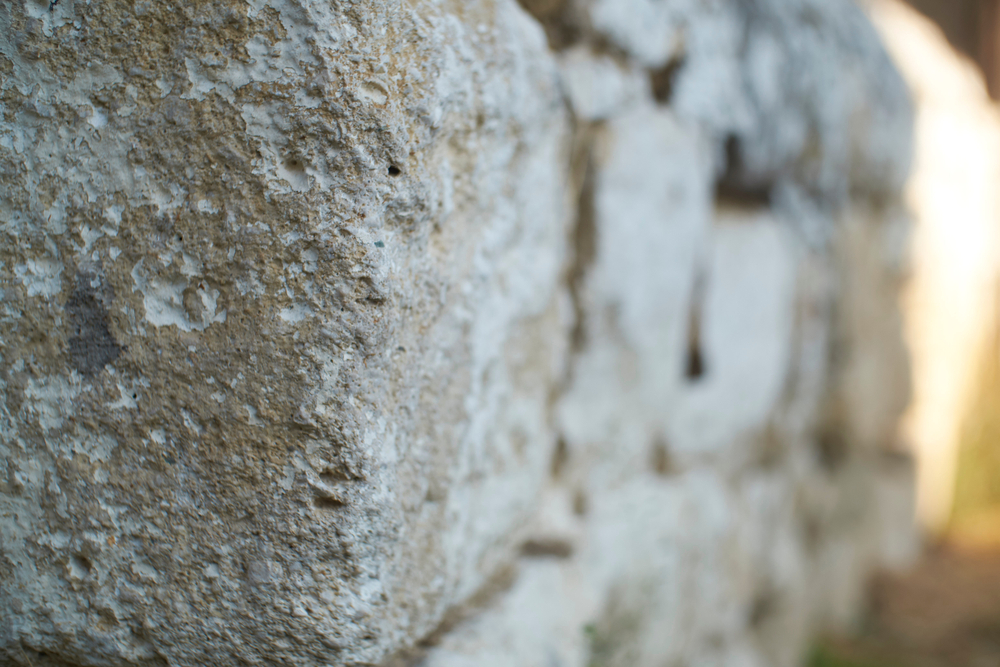
A stone foundation brings timeless character and durability to a home, especially in historic New England areas. However, the winter months can pose serious challenges to its structural integrity. If you live in regions like Massachusetts or New Hampshire, it’s crucial to prepare early. The freeze-thaw cycles, moisture intrusion, and extreme cold common in the Northeast can accelerate stone foundation deterioration if not properly addressed. That’s why creating a comprehensive stone foundation winter checklist is essential for any homeowner looking to protect their investment through the colder months.
A stone foundation winter checklist not only helps preserve the beauty and historical value of your home, but it also ensures long-term stability and safety. Ignoring winter maintenance can lead to costly stone foundation repair, particularly in states like MA and NH, where harsh winters are the norm. From inspecting for early signs of damage to improving drainage and sealing weaknesses, this guide covers everything you need to know.
Inspect and Assess for Damage Early
Before the first snowflake falls, take a close look at your stone foundation. Early winter preparation begins with a detailed visual inspection. Look for common signs of wear, such as cracks, bowing walls, flaking mortar, or loose stones. These symptoms are early warnings of potential stone foundation deterioration that can be worsened by moisture and frost.
Moisture can seep into even the smallest cracks and expand when frozen, putting additional pressure on the surrounding stone and mortar. This is particularly problematic in older homes throughout Massachusetts and New Hampshire where traditional stone foundations have already endured decades of seasonal shifts. Take notes of areas that seem problematic or are showing new signs of wear compared to the previous season. If you suspect serious issues, consider bringing in a specialist who offers stone foundation repair in MA or NH to do a professional assessment before the weather becomes too harsh for intervention.
Improve Drainage Around the Foundation
Drainage is a key factor in maintaining the longevity of a stone foundation, particularly during the winter when snow accumulation and subsequent melting can cause flooding or seepage. Poor drainage can lead to water pooling near the base of your home, increasing the risk of foundation saturation, frost heave, and ice formation within cracks. These conditions all contribute to stone foundation deterioration over time.
To improve drainage, start by cleaning your gutters and downspouts. Make sure they are directing water at least several feet away from the base of your home. Additionally, evaluate the grading of the landscape surrounding your foundation. The soil should slope away from the structure to naturally guide water runoff. You may need to add topsoil or regrade certain areas to achieve this. Homeowners in New Hampshire and Massachusetts should pay special attention during the fall, as heavy rains and early snowstorms can reveal vulnerabilities in their drainage system.
Another component of your stone foundation winter checklist should be checking any existing drainage pipes or French drains. These should be cleared of debris to ensure proper function throughout the freezing months. Taking these steps before winter sets in is critical to minimizing the need for future stone foundation repair.
Seal Cracks and Repoint Mortar Joints
One of the most effective ways to prevent stone foundation deterioration during winter is to seal up vulnerabilities before they become liabilities. Water infiltration is the silent enemy of stone foundations. As temperatures drop, any moisture within the walls will freeze and expand, widening cracks and degrading the mortar that holds your stones together.
If your inspection revealed hairline cracks or areas with crumbling mortar, now is the time to act. Use a quality masonry sealant to fill minor cracks, ensuring it is appropriate for use with natural stone. For larger cracks or failing mortar joints, repointing may be necessary. Repointing involves removing damaged mortar and replacing it with fresh material that matches the original composition, helping to maintain both structural integrity and historical accuracy.
Repointing is particularly common in older homes in areas like MA and NH where many properties date back to the 18th and 19th centuries. In these homes, improper maintenance or the use of modern Portland cement can accelerate stone foundation deterioration. If you’re uncertain about the right approach, consult with professionals experienced in stone foundation repair in Massachusetts or New Hampshire to ensure the job is done correctly and in a way that preserves the character of your home.
Monitor Indoor Humidity and Insulation
Your stone foundation winter checklist shouldn’t stop at the exterior. What’s happening inside your basement or crawl space is equally important. Winter air is typically dry, but interior humidity can still fluctuate due to heating systems, poor insulation, or leaks. Excess humidity can lead to condensation on the stone walls, promoting the growth of mold and mildew while also weakening the mortar.
To prevent this, monitor the humidity levels in your basement. Ideally, keep the relative humidity below 60 percent. Installing a dehumidifier can help if natural ventilation is insufficient. Additionally, inspect your basement for signs of drafts or cold air infiltration. Adding insulation to basement walls and sealing windows or vents can reduce temperature fluctuations that contribute to condensation and moisture build-up.
Another consideration is the use of vapor barriers. These barriers can help control moisture migration from the ground into your basement, reducing the potential for mold and moisture-related damage. Stone foundations are particularly porous, and even in a cold climate, water vapor from the soil can permeate the foundation if left unchecked. Homeowners in cold-weather regions like New Hampshire and Massachusetts should prioritize these indoor climate control measures as part of their winter preparation strategy.
Schedule Preventive Repairs Before Snowfall
Procrastination is one of the most common mistakes homeowners make when it comes to foundation care. Waiting until mid-winter to address problems often results in temporary fixes or emergency repairs that are more costly and less effective. That’s why one of the most crucial items on your stone foundation winter checklist is to schedule any necessary repairs in the fall or early winter, before the ground freezes and conditions become difficult for work.
This is particularly relevant in the Northeast, where snow and ice can linger for months. Scheduling preventive stone foundation repair early in the season allows professionals to use the appropriate materials and techniques without being rushed or hindered by inclement weather. Whether it’s repointing mortar, sealing cracks, or installing drainage solutions, fall is the ideal time for these tasks.
In Massachusetts and New Hampshire, reputable stone foundation repair specialists often book up quickly once the first frost hits. Planning ahead not only secures your spot but ensures that your home is protected against the most punishing conditions winter has to offer. Timely action also helps avoid the escalation of minor issues into major structural problems that could cost thousands to correct in the spring.
Conclusion
A solid stone foundation is built to last, but even the strongest structures need care, especially during winter. Following a dedicated stone foundation winter checklist can mean the difference between minor seasonal upkeep and major structural repairs come springtime. The key lies in proactive inspection, effective drainage, prompt sealing of cracks, managing indoor conditions, and scheduling any necessary repairs before the weather turns unforgiving.
For homeowners in Massachusetts and New Hampshire, this preparation is not optional. The severity of winter conditions in these areas demands a thoughtful and consistent approach to stone foundation maintenance. By recognizing the signs of stone foundation deterioration and taking timely action, you can extend the life of your foundation, preserve the historical integrity of your property, and avoid costly stone foundation repair in the future.
If you’re unsure where to start or need professional guidance, don’t hesitate to reach out to specialists who understand the unique challenges faced by stone foundations in cold climates. With the right preparation and care, your stone foundation will remain strong, secure, and beautiful throughout the winter and beyond.
Need The Best Foundation Crack Repair Specialist Near You?
At Done Right Services, we’ve been the trusted name in masonry since 1998, offering top-notch stone foundation repairs, crack repairs, and basement waterproofing throughout Massachusetts and New Hampshire. Our team of experts is dedicated to restoring your home’s foundation and ensuring your basement stays dry and safe. With our lifetime warranty and 15-year money-back guarantee on all concrete foundation services, you can trust that we’ll handle your needs with precision and care. Don’t let water leaks or foundation issues damage your home—reach out to us and experience the Done Right difference today!