

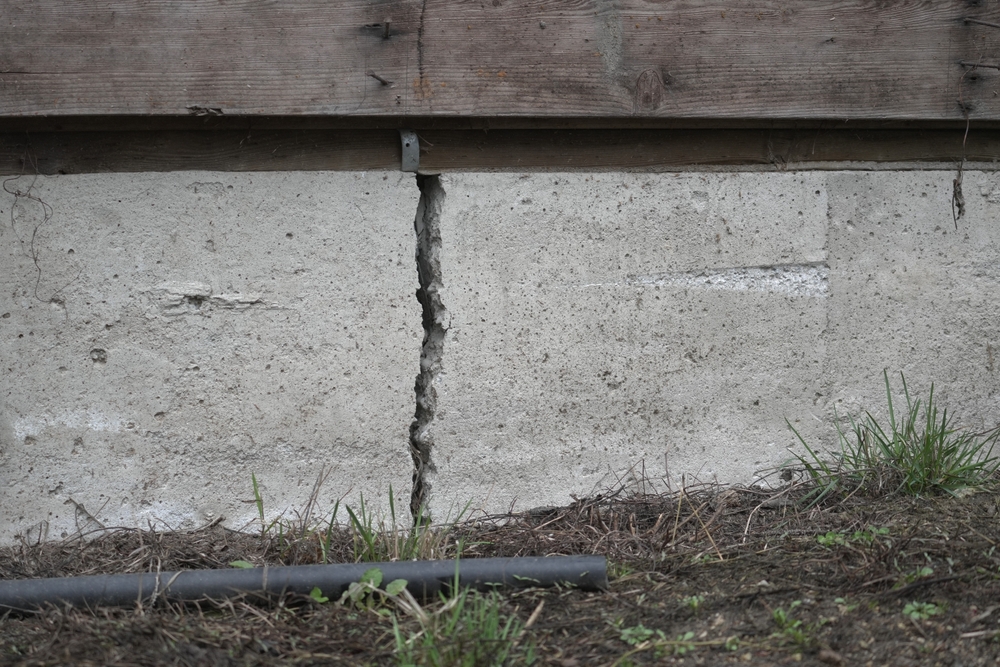
If you own a home in Boston, MA, there is a good chance you have peered into your basement at some point and noticed something unsettling: cracks running along your foundation walls. You are not alone. Foundation crack repair is one of the most common services requested by homeowners across the city, and for good reason. Boston’s geology, climate, and housing stock create a perfect storm of conditions that make foundation problems nearly inevitable over time. The good news is that understanding why these cracks happen is the first step toward getting them fixed correctly.
The Unique Geology and Climate Behind Boston’s Foundation Problems
Boston sits on a complicated mix of bedrock, clay, fill, and made land, much of it deposited or engineered over centuries of urban development. Many neighborhoods, including the Back Bay and the South End, were literally built on filled marshland and tidal flats. This means the soil beneath countless Boston homes is inherently unstable and prone to shifting, settling, and compressing unevenly under the weight of a structure.
Add to this the brutal New England freeze-thaw cycle, and you have a recipe for persistent foundation stress. Every winter, moisture in the soil surrounding your basement foundation freezes and expands, pushing against foundation walls with tremendous force. When spring arrives, that pressure releases, only to return again the following season. Over years and decades, this repeated cycle causes basement foundation cracks in Boston homes that range from minor cosmetic fissures to serious structural fractures.
Hydrostatic pressure is another major culprit. Boston receives significant annual rainfall, and when that water saturates the soil around your foundation, it presses inward with constant force. Without proper drainage, that pressure has nowhere to go except into your walls, gradually widening existing cracks and creating new ones.
Why Historic Homes Face Especially Serious Foundation Challenges
Boston is one of the oldest cities in the United States, and a significant portion of its housing stock dates back to the 18th, 19th, and early 20th centuries. Historic home foundation repair in Boston is a specialized field precisely because older structures were built using materials and methods that behave very differently from modern construction.
Many Victorian-era triple-deckers, brownstones, and colonial homes in neighborhoods like Dorchester, Jamaica Plain, Roxbury, and Charlestown were built on rubble stone or brick foundations. Stone foundation crack repair in Boston requires a fundamentally different approach than repairing poured concrete, because the mortar holding individual stones together deteriorates over time, becomes water-permeable, and eventually fails entirely. When the mortar joints between stones crumble, the structural integrity of the entire wall can be compromised.
Beyond the materials themselves, these older foundations were never designed to handle modern loads. Many historic Boston homes have been converted into multi-family dwellings, had additions built onto them, or had their interiors renovated in ways that changed how weight is distributed. A foundation that held up a single-family home in 1890 may struggle under the demands of a renovated three-unit building in the 21st century. This is why a qualified contractor who specializes in historic home foundation repair in Boston is so important; they understand not just the crack itself, but the broader context of how the building has evolved over time.
How to Tell a Cosmetic Crack from a Structural One
Not every crack you see in your basement foundation is cause for alarm, but learning to distinguish between cosmetic and structural issues can save you both money and stress. Foundation crack repair in Boston, MA starts with an accurate diagnosis, and that requires knowing what you are looking at.
Hairline cracks that run vertically and are less than 1/16 of an inch wide are often the result of normal concrete curing or minor settling. They may be unsightly, but they rarely indicate a serious problem. Horizontal cracks, on the other hand, are among the most concerning types you can find in basement foundation cracks in Boston homes. A horizontal crack running across a block or poured concrete wall typically signals lateral pressure from the surrounding soil, which means the wall itself may be bowing inward. This is a structural issue that requires prompt attention.
Diagonal cracks that run at roughly 45-degree angles often point to differential settling, meaning one part of your foundation is sinking faster than another. Stair-step cracks in brick or stone foundations follow the mortar joints and are also associated with settling or frost heave. Any crack that is wider at one end than the other, or that appears to be actively growing, should be evaluated by a professional as soon as possible.
Water intrusion is another important signal. If you see efflorescence (the white, chalky mineral deposits left behind when water evaporates through concrete) or if water is actively seeping through a crack after rain, that crack has become a pathway for moisture, regardless of whether it is structurally significant.
What Proper Foundation Crack Repair Actually Looks Like in Boston
The repair method depends entirely on the type of crack, the foundation material, and the underlying cause. One of the most important things homeowners should understand is that sealing a crack from the interior with hydraulic cement or epoxy is rarely a complete solution on its own. Proper foundation crack repair in Boston, MA addresses both the symptom and the cause.
For poured concrete foundations with non-structural vertical cracks, polyurethane foam injection is often the preferred method. The foam expands to fill the crack completely, creating a flexible, waterproof seal that moves slightly with the foundation rather than cracking under pressure. Epoxy injection is better suited for structural cracks where you need to restore tensile strength to the concrete itself, as cured epoxy is actually stronger than the surrounding concrete.
Stone foundation crack repair in Boston typically involves repointing the mortar joints throughout the affected area, not just patching individual cracks. Repointing means carefully removing deteriorated mortar to a sufficient depth and replacing it with a new mortar mix that is appropriate for the age and composition of the stone. Using the wrong mortar mix in a historic stone foundation can actually accelerate damage, which is why working with an experienced contractor matters so much.
For horizontal cracks or bowing walls, carbon fiber straps or steel I-beam reinforcements are often installed to stabilize the wall and prevent further movement. In severe cases, wall anchors may be driven into the surrounding soil to counteract lateral pressure. These repairs are more invasive and expensive, but they are the only reliable solution when the structural integrity of the wall is at stake.
Exterior waterproofing, improved drainage, and the installation of a sump pump system are frequently recommended alongside crack repair to address the underlying causes of water infiltration and soil pressure. A crack that is repaired without addressing drainage issues will likely return.
How to Choose the Right Contractor for the Job
Selecting a contractor for basement foundation cracks in Boston homes is a decision that deserves careful thought. Look for a company with specific experience in the Boston area, because local knowledge of soil conditions, frost depths, and the particular challenges of historic New England construction is genuinely valuable. Ask to see examples of similar projects, and do not hesitate to request references from past customers.
Any reputable contractor should begin with a thorough inspection before recommending a repair method. Be cautious of anyone who offers a quick quote without examining your foundation in person, or who recommends the same solution for every crack regardless of type or cause.
Conclusion
Boston homes are built on complicated ground, shaped by centuries of history, challenging soils, and a relentless climate. Foundation cracks are a predictable consequence of those conditions, but they are not a death sentence for your home. Whether you are dealing with a new hairline crack in a poured concrete wall or crumbling mortar in a 19th-century stone foundation, the right repair approach exists. Foundation crack repair in Boston, MA is most effective when it is tailored to the specific material, the type of crack, and the forces driving it. Getting that diagnosis right, and choosing a contractor who understands the full picture, is what separates a lasting repair from a temporary patch.
Need The Best Foundation Crack Repair Specialist Near You?
At Done Right Services, we’ve been the trusted name in masonry since 1998, offering top-notch stone foundation repairs, crack repairs, and basement waterproofing throughout Massachusetts and New Hampshire. Our team of experts is dedicated to restoring your home’s foundation and ensuring your basement stays dry and safe. With our lifetime warranty and 15-year money-back guarantee on all concrete foundation services, you can trust that we’ll handle your needs with precision and care. Don’t let water leaks or foundation issues damage your home—reach out to us and experience the Done Right difference today!