

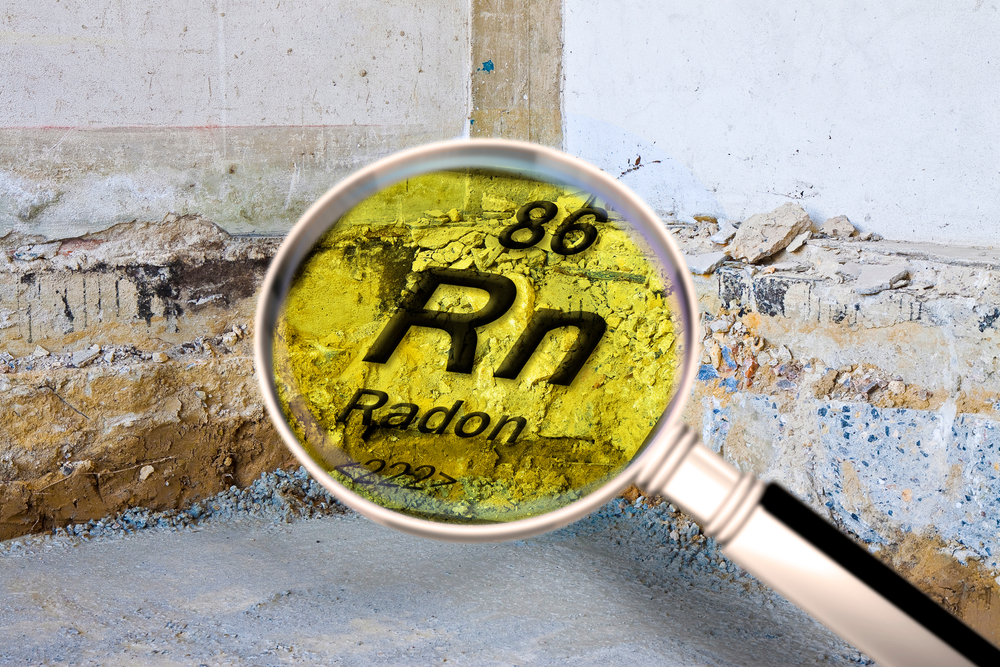
Homeowners in Concord, NH and Manchester, NH face a silent but serious challenge lurking beneath their feet. Radon gas, a naturally occurring radioactive element, seeps through the soil and enters homes through the path of least resistance: foundation cracks. Understanding the relationship between radon foundation repair, foundation integrity, and indoor air quality is essential for anyone living in southern New Hampshire, where geology and older housing stock create ideal conditions for elevated radon levels. This guide walks you through what you need to know to protect your home and your family.
What Is Radon and Why Is It a Problem in Southern New Hampshire?
Radon is a colorless, odorless, tasteless gas that forms naturally from the decay of uranium in soil and rock. It is the second leading cause of lung cancer in the United States, responsible for roughly 21,000 deaths each year according to the EPA. In New Hampshire, radon levels tend to be higher than the national average due to the granite-rich geology underlying much of the state. Concord, NH and Manchester, NH both sit in regions where soil composition makes radon entry through foundation cracks a persistent concern for homeowners.
When radon gas accumulates in the ground below a home, pressure differences between the soil and the interior of the house draw the gas upward. It then finds any opening available, and foundation cracks are among the most common entry points. Even hairline fractures that seem cosmetically minor can allow significant radon infiltration over time. The problem compounds in colder months when homes are sealed tight against the winter air, giving radon fewer opportunities to escape and more opportunity to reach dangerous concentrations indoors.
The EPA recommends taking action when indoor radon levels reach 4 picocuries per liter (pCi/L) or higher. Testing your home is the only way to know your actual exposure level, and it is a low-cost step that every homeowner in Concord and Manchester should take seriously.
How Foundation Cracks Allow Radon to Enter Your Home
The connection between foundation cracks causing radon problems and structural damage is more direct than many homeowners realize. Foundations develop cracks for several reasons, including soil settlement, freeze-thaw cycles, hydrostatic pressure from groundwater, and the natural aging of concrete and mortar. New Hampshire winters are notoriously harsh, and the repeated expansion and contraction of soil around a foundation accelerates the cracking process considerably.
Radon entry through foundation cracks happens in a few primary ways. Cracks in poured concrete walls allow soil gases to migrate directly into the basement. Gaps at the joint where the floor meets the wall, known as the cove joint, are particularly vulnerable. Cracks in concrete block foundations present an even larger surface area for radon infiltration because the hollow cores of the blocks act as pathways that carry gas upward. Utility penetrations, sump pits, and areas where pipes enter the foundation also serve as radon entry points when not properly sealed.
In Manchester, NH, many homes were built in the early to mid-twentieth century using construction methods that did not account for radon. Older foundations are more likely to show significant cracking and deterioration, making radon infiltration more likely. Homeowners who notice visible cracks, bowing walls, or moisture intrusion should treat these signs as potential radon risks in addition to structural concerns.
The Structural Side of the Problem: When Cracks Mean More Than Radon
While radon is a major health concern, foundation cracks also signal potential structural problems that deserve attention in their own right. Not all cracks are equal. Hairline cracks in poured concrete are often the result of normal curing and settling. However, horizontal cracks in basement walls, stair-step cracks in block foundations, and cracks wider than a quarter of an inch suggest more serious structural movement that requires professional evaluation.
In Concord, NH, clay-heavy soils in certain neighborhoods absorb and release water seasonally, exerting significant lateral pressure on foundation walls. Over time, this pressure causes walls to bow inward or crack along stress lines. If left unaddressed, these structural failures can compromise the entire home. Carbon fiber straps, wall anchors, and steel I-beams are commonly used by foundation repair professionals to stabilize and reinforce compromised walls before damage progresses further.
The overlap between structural safety and radon mitigation is significant. A foundation that is repaired for structural reasons becomes a more effective barrier against radon when sealing is incorporated into the repair process. Addressing both issues together is more cost-effective than handling them separately, and it ensures that repairs are not undermined by ongoing structural movement.
Radon Mitigation and Foundation Sealing: A Combined Approach
Radon mitigation foundation sealing is one component of a comprehensive radon reduction strategy, though sealing alone is rarely sufficient to bring levels down to acceptable limits. The most effective and widely used method is sub-slab depressurization, sometimes called active soil depressurization. This system involves inserting a pipe through the foundation floor into the soil or gravel beneath, then using a fan to draw radon-laden air out from under the home and vent it safely to the exterior.
Foundation sealing works best as a complement to this system. When cracks, joints, and penetrations are properly sealed using hydraulic cement, epoxy injections, or polyurethane foam, the number of entry points for radon is reduced and the depressurization system becomes more efficient. In Manchester, NH and Concord, NH, where basements are common and often used as living space, this combined approach delivers the most reliable results.
Homeowners should work with certified radon mitigation contractors who are familiar with New Hampshire building conditions. Professionals who also specialize in radon foundation repair understand how to coordinate structural crack repair with sealing techniques, ensuring that the work holds up against the movement and moisture typical of the region. After any mitigation system is installed, post-mitigation testing confirms whether the radon levels have been adequately reduced.
Protecting Your Home in Concord and Manchester for the Long Term
Long-term radon management requires ongoing attention rather than a one-time fix. Even after a successful mitigation installation, it is good practice to retest your home every two years or after any significant renovation that affects the foundation or ventilation. Mitigation systems should be inspected periodically to ensure the fan is operating correctly and that no new cracks have developed that could compromise the system’s effectiveness.
For homeowners in Concord, NH and Manchester, NH, investing in a thorough foundation inspection is a practical starting point. An inspector can identify both structural concerns and radon entry points simultaneously, allowing homeowners to make informed decisions about repair priorities. Addressing foundation cracks causing radon problems early, before they widen or multiply, reduces both the health risk and the eventual cost of repair.
Moisture management is another piece of the long-term puzzle. Waterproofing the basement interior, improving exterior drainage, and ensuring gutters direct water away from the foundation all reduce hydrostatic pressure on walls. Less pressure means fewer new cracks, fewer radon entry points, and a healthier, more structurally sound home overall.
Conclusion
The relationship between radon, foundation cracks, and structural safety is well established and particularly relevant for homeowners in Concord, NH and Manchester, NH. Radon entry through foundation cracks is one of the most common ways this dangerous gas reaches living spaces, and it is also one of the most preventable. By combining radon mitigation foundation sealing with proper structural crack repair, homeowners can address both health and safety concerns in a single, coordinated effort. Whether you are dealing with visible cracks, unexplained moisture, or an elevated radon test result, the time to act is before the problem grows. A certified professional familiar with radon foundation repair and local soil conditions is your best resource for developing a plan that protects your home and everyone in it.
Need The Best Foundation Crack Repair Specialist Near You?
At Done Right Services, we’ve been the trusted name in masonry since 1998, offering top-notch stone foundation repairs, crack repairs, and basement waterproofing throughout Massachusetts and New Hampshire. Our team of experts is dedicated to restoring your home’s foundation and ensuring your basement stays dry and safe. With our lifetime warranty and 15-year money-back guarantee on all concrete foundation services, you can trust that we’ll handle your needs with precision and care. Don’t let water leaks or foundation issues damage your home—reach out to us and experience the Done Right difference today!