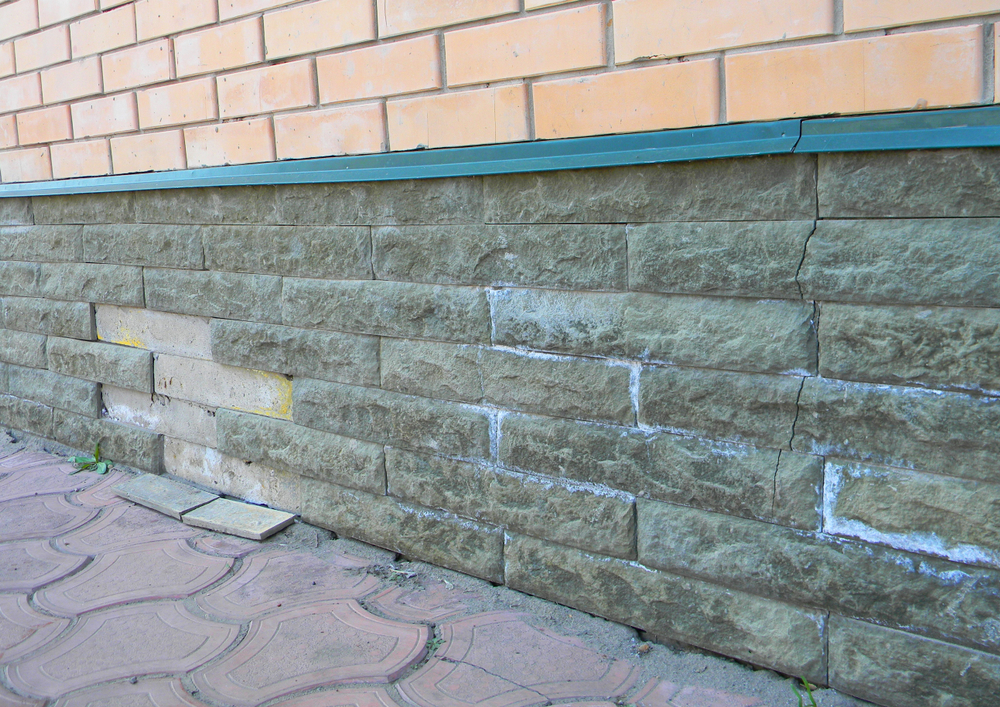
If you own an older home in Massachusetts, you already know winter does not leave quietly. Snow piles up, temperatures swing from below freezing to mild afternoons, and by early spring, you start noticing small changes around your home. Maybe a hairline crack in the basement wall looks wider than it did in the fall. Maybe you spot dampness along a foundation seam after the snow melts. These are not random occurrences. They are often the result of freeze-thaw cycles doing what they have done to New England homes for generations.
For homeowners between 35 and 70 living in older properties throughout Amesbury, Georgetown, and surrounding communities, understanding freeze thaw foundation damage in Massachusetts is essential. Seasonal shifts are part of life here, but foundation cracks do not have to become permanent problems. With the right diagnosis and repair strategy, you can protect your home from long-term structural issues and recurring water intrusion.
How Freeze-Thaw Cycles Impact New England Foundations
New England weather is uniquely demanding on foundations. During winter, moisture seeps into small pores and hairline cracks in concrete. When temperatures drop below freezing, that trapped water expands. As it freezes, it exerts pressure against the surrounding material. When temperatures rise again, the ice melts, and the cycle repeats.
Over the course of several months, this repeated expansion and contraction creates stress within foundation walls. Even well-built homes in Amesbury and Georgetown are vulnerable to seasonal foundation movement in New England. The soil surrounding the foundation also plays a role. Wet soil expands when frozen and contracts when thawed, pushing and pulling against basement walls.
Older properties are especially susceptible because materials may already show signs of aging. Mortar joints weaken over time, and concrete naturally develops small fissures as it cures and settles. Freeze-thaw cycles simply exploit these existing vulnerabilities. That is why many homeowners first notice basement wall cracks in Georgetown, MA or nearby areas shortly after winter ends.
What Types of Foundation Cracks Should You Expect
Not all foundation cracks are created equal. Some are cosmetic and pose little structural risk. Others signal more significant movement or stress. Knowing what to expect helps you respond appropriately.
Hairline vertical cracks are common in poured concrete foundations. These often result from normal settling and shrinkage during the curing process. While they may widen slightly during winter due to freeze-thaw expansion, they are not always structurally dangerous. However, they can still allow water to enter if left untreated.
Horizontal cracks are more concerning. They may indicate pressure from expanding soil against the exterior wall. In regions with pronounced seasonal foundation movement in New England, repeated freeze-thaw cycles can intensify that lateral pressure. Stair-step cracks in block foundations also deserve attention, as they may suggest uneven settlement or shifting soil conditions.
The key difference lies in whether the crack is structural or non-structural. Structural cracks often involve displacement, bowing, or noticeable shifting of the wall. Non-structural cracks may simply reflect surface-level expansion without compromising overall stability. Accurate diagnosis is critical, which is why professional evaluation is so important before pursuing foundation crack repair in Amesbury, MA.
Why Seasonal Expansion Often Leads to Water Seepage
Even small cracks can allow water intrusion. As snow melts in late winter and early spring, groundwater levels rise. Saturated soil increases hydrostatic pressure against foundation walls. If cracks widened during winter, they create an easy path for moisture to enter the basement.
Homeowners frequently report damp spots, minor puddling, or efflorescence along basement walls after thaw periods. Basement wall cracks in Georgetown, MA and surrounding towns often become visible during these wetter months because moisture highlights them.
Repeated freeze thaw foundation damage in Massachusetts can gradually enlarge small openings, making seasonal water seepage more frequent and more severe. While it may begin as a minor nuisance, over time it can lead to mold growth, damaged finishes, and reduced indoor air quality. Addressing cracks promptly not only protects structural integrity but also prevents ongoing moisture issues.
Diagnosing Structural vs. Non-Structural Cracks
One of the most important steps in protecting your home is understanding whether a crack is purely cosmetic or structurally significant. This distinction determines the appropriate repair method and long-term strategy.
Foundation Crack Repair specializes in diagnosing structural vs. non-structural cracks with precision. Rather than applying a one-size-fits-all solution, experienced technicians assess crack patterns, wall alignment, and surrounding soil conditions. They look for signs of bowing, offset edges, and repeated seasonal widening that may indicate deeper movement.
Non-structural cracks are often ideal candidates for interior crack injection systems. These advanced repair methods involve injecting specialized materials into the crack from inside the basement, creating a watertight seal that bonds the concrete back together. Interior injection avoids extensive exterior excavation and provides an effective barrier against water intrusion.
Structural cracks, on the other hand, may require additional stabilization measures depending on severity. The goal is always long-term performance, especially in climates where seasonal foundation movement in New England is a recurring reality. By identifying the root cause rather than just sealing the surface, homeowners gain confidence that repairs will withstand future winters.
Long-Term Solutions Designed for Freeze-Thaw Environments
Because Massachusetts experiences annual freeze-thaw cycles, repairs must be built to endure those conditions. Quick patches or temporary sealants rarely provide lasting protection. Long-term waterproofing solutions are essential.
Foundation Crack Repair focuses on interior crack injection systems specifically designed for freeze-thaw environments. These systems remain flexible enough to accommodate minor seasonal movement while maintaining a watertight seal. This flexibility is critical in areas where temperature swings are common.
In addition to crack injection, comprehensive waterproofing strategies may include addressing drainage concerns around the foundation. Redirecting water away from the home reduces hydrostatic pressure and minimizes stress on basement walls. Combining crack repair with moisture management creates a more resilient foundation overall.
For homeowners considering foundation crack repair in Amesbury, MA, working with a team that understands regional climate patterns makes a meaningful difference. Local expertise ensures that repair materials and techniques are selected with New England’s demanding weather in mind.
What Homeowners Should Do This Spring
As winter gives way to spring, take time to inspect your basement carefully. Look for new cracks, widening seams, or signs of dampness. Pay attention to areas where water may have entered during snow melt. Document changes so you can compare them year to year.
If you notice seasonal crack expansion or water seepage, do not assume it will resolve on its own. Freeze thaw foundation damage in Massachusetts tends to progress gradually. What begins as a hairline crack can widen over several seasons if left untreated.
Consulting professionals who specialize in diagnosing and repairing foundation cracks ensures that you receive an accurate assessment. Foundation Crack Repair provides expert evaluation and tailored solutions, from interior injection systems to long-term waterproofing approaches. Their experience with basement wall cracks in Georgetown, MA, and surrounding communities allows them to anticipate the specific challenges posed by seasonal foundation movement in New England.
Owning an older home in Massachusetts means embracing history and character, but it also means staying proactive about maintenance. Freeze-thaw cycles are part of life here, yet foundation cracks do not have to define your home’s future. With informed expectations, early diagnosis, and repair systems designed for our climate, you can protect your foundation from recurring seasonal damage and enjoy greater peace of mind year after year.
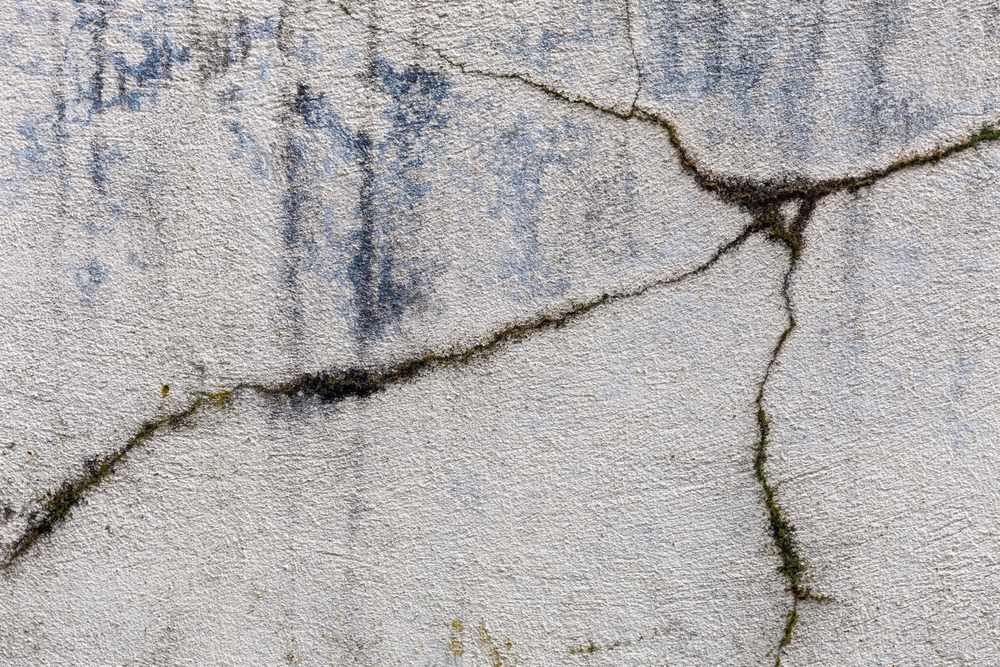
New England weather puts serious stress on foundations year after year. Freezing winters, wet springs, and humid summers all work together to widen cracks, shift masonry, and invite water into your basement. But not all foundation cracks are the same, and not all repair strategies work equally well across different foundation types. Understanding the difference between block and stone foundation crack repair is essential before you call a contractor or try to address the problem yourself.
This guide breaks down the key differences between these two common foundation types found throughout Massachusetts, explains why each one cracks, and outlines the most effective repair approaches for homeowners in Andover and Westford.
What Makes Block and Stone Foundations So Different
Concrete block foundations and stone foundations may both be made from masonry materials, but they behave very differently under pressure and moisture. Concrete block foundations, which became common in mid-20th century construction, are built from uniform hollow or solid blocks stacked in a grid pattern. Because of this uniformity, they tend to crack in predictable places, particularly along mortar joints and in stair-step patterns near corners. When a block foundation crack repair is needed in Andover, MA, contractors can often identify the cause quickly based on the crack pattern alone.
Stone foundations, on the other hand, are far less predictable. Many homes in Westford, MA were built in the 18th and 19th centuries using fieldstone, granite, or other locally quarried rock. Fieldstone foundation cracks in Massachusetts tend to develop not just in the mortar but also within the irregular joints between stones that shift over decades. Stone foundations were often built without footings by modern standards, meaning they settle unevenly as the soil beneath them moves. This makes stone foundation repair in Westford, MA a more complex and labor-intensive process than working with block.
Both foundation types share a common vulnerability: water infiltration. When moisture enters through cracks and then freezes, it expands and widens existing damage. This cycle, repeated over many winters, is one of the primary reasons homeowners in both towns eventually need professional masonry work.
Common Causes of Foundation Cracks in Massachusetts
The freeze-thaw cycle that defines Massachusetts winters is the single biggest contributor to foundation deterioration in both Andover and Westford. When water seeps into a small crack and then freezes overnight, it expands with enormous force. Over time, this repeated pressure turns hairline cracks into serious structural gaps.
Soil movement is another major factor. New England soil is often composed of a mix of clay, loam, and glacial till. Clay-heavy soil expands when wet and contracts when dry, which puts lateral pressure on foundation walls throughout the year. Homes built on slopes or near wetlands, which are common in Westford, MA, face additional hydrostatic pressure from groundwater that pushes against the foundation from the outside.
Tree root intrusion, poor drainage around the foundation perimeter, and aging mortar that has simply reached the end of its lifespan also contribute to cracking. For stone foundations specifically, the original lime-based mortar used in older construction breaks down over time and loses its bonding ability, leaving gaps that water exploits immediately. For block foundations in Andover, MA, carbonation of the concrete over decades can weaken the blocks themselves, making them more susceptible to absorbing moisture and cracking under load.
Understanding what caused the crack is just as important as knowing how to fix it. A repair that addresses only the symptom and not the source will fail within a few years.
Block Foundation Crack Repair Methods in Andover, MA
When it comes to block foundation crack repair in Andover, MA, contractors generally choose between three primary approaches depending on the severity of the damage. Surface patching with hydraulic cement or epoxy injection is appropriate for minor non-structural cracks that are not actively leaking. This method fills the crack from the inside and prevents water from entering, but it does not address any underlying structural weakness.
For cracks caused by lateral soil pressure or foundation bowing, carbon fiber straps or wall anchors are often the preferred solution. These systems stabilize the wall and prevent further inward movement without requiring excavation. They are particularly effective in block foundations because the smooth, uniform surface makes it easier to apply the hardware correctly and achieve a strong bond.
In more severe cases where blocks have shifted significantly or water has been infiltrating for years, partial or full wall replacement may be necessary. This involves excavating around the exterior, removing the damaged section, and rebuilding it with new block and masonry foundation waterproofing membrane applied to the outside face. Masonry foundation waterproofing in this context typically includes a combination of drainage board, dimple mat, and a waterproof coating that directs water away from the wall and toward a perimeter drain.
Interior drainage systems paired with a sump pump are often installed alongside structural repairs to manage any water that still makes its way through. Homeowners in Andover, MA dealing with a wet basement should not skip this step, even after visible cracks are repaired.
Stone Foundation Repair Methods in Westford, MA
Stone foundation repair in Westford, MA requires a different mindset because the goal is often preservation as much as correction. Many of these structures are well over a hundred years old, and the stones themselves remain strong even when the mortar between them has completely deteriorated. Repointing, which involves removing old mortar to a certain depth and replacing it with new material, is the most common repair technique for fieldstone foundations.
The choice of mortar matters enormously when repairing fieldstone foundation cracks in Massachusetts. Modern Portland cement mortar is too rigid and too strong for old stone foundations. When a hard mortar is applied to old stone, the mortar does not give when the foundation shifts slightly, so the stone itself cracks instead. Lime-based mortar, which is more flexible and breathable, is the historically appropriate and technically correct choice for stone foundation repointing in this region.
For fieldstone foundations that have shifted, bulged, or partially collapsed, more extensive intervention is required. This can involve temporary shoring of the structure above, removal and rebuilding of the affected section, and the addition of a reinforced concrete collar or underpinning to provide a stable base going forward. Masonry foundation waterproofing is also applied to stone foundations, though the approach differs slightly. Because stone walls are inherently porous and irregular, interior drainage systems combined with spray-applied waterproofing on the interior face are often more practical than exterior excavation.
Homeowners in Westford, MA should also be cautious about who they hire for this work. Stone foundation repair requires experience with historic masonry, proper mortar selection, and an understanding of how these old structures behave. A contractor who specializes only in modern concrete work may not have the knowledge needed to handle a 200-year-old fieldstone foundation correctly.
Conclusion
Whether you are dealing with a cracked concrete block wall in Andover, MA or a deteriorating fieldstone foundation in Westford, MA, the repair approach needs to match the specific material, the cause of the damage, and the long-term goals for the structure. Block foundation crack repair tends to follow more standardized methods, while stone foundation repair demands a more customized and historically sensitive approach. In both cases, addressing water infiltration through proper masonry foundation waterproofing is a critical part of any lasting solution.
Fieldstone foundation cracks in Massachusetts are not something to put off. The longer a crack is left unaddressed, the more water infiltrates, the more the freeze-thaw cycle does its damage, and the more expensive the eventual repair becomes. Getting a professional evaluation early is the most cost-effective step any homeowner in Andover or Westford can take to protect their investment.
At Done Right Services, we’ve been the trusted name in masonry since 1998, offering top-notch stone foundation repairs, crack repairs, and basement waterproofing throughout Massachusetts and New Hampshire. Our team of experts is dedicated to restoring your home’s foundation and ensuring your basement stays dry and safe. With our lifetime warranty and 15-year money-back guarantee on all concrete foundation services, you can trust that we’ll handle your needs with precision and care. Don’t let water leaks or foundation issues damage your home—reach out to us and experience the Done Right difference today!

